
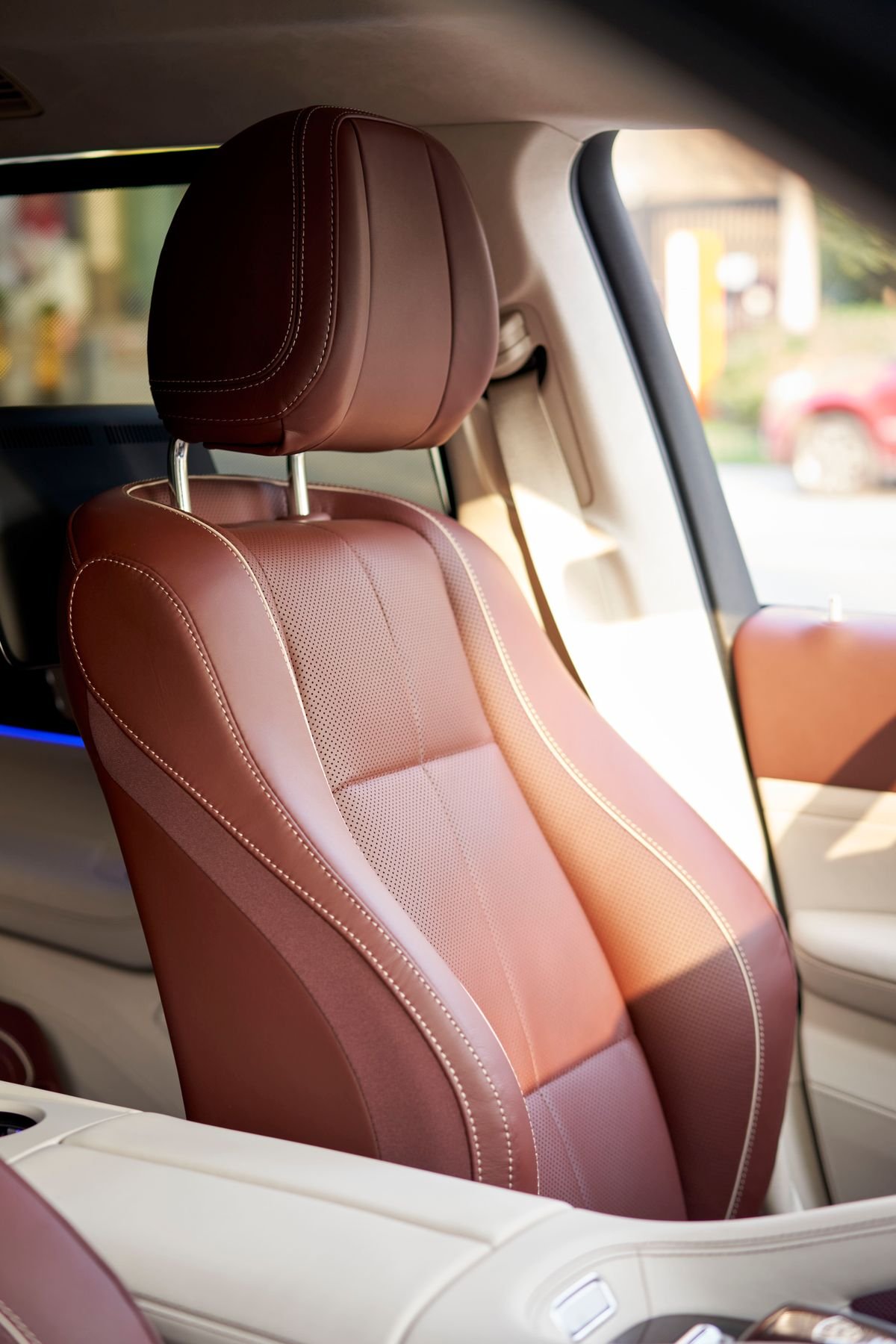
It was the third week of July in Phoenix when Mark noticed it. He slid into the driver seat of his five year old sedan, reached for the seat belt, and felt something rough under his palm. He looked down and saw it clearly for the first time. A fine network of tiny cracks had spread across the top of the seat bolster, right where the afternoon sun hit it through the driver window every single day. The leather had felt soft and smooth when he bought the car. Now it looked tired, dry, and ten years older than the rest of the interior. He had washed the car, vacuumed the seats, and even wiped them down now and then, yet the sun had been quietly doing damage the whole time he was not looking. That afternoon he started searching for how to keep car seats from cracking in the sun, and what he found changed how he treats the car.
That slow damage is the story behind this guide. Learning how to keep car seats from cracking in the sun is not about buying one magic bottle. It is about understanding that sunlight attacks your seats in two ways at once, and then building a small routine that stops both attacks before the damage shows. The good news is that the routine is simple, it costs very little, and it works on almost any car, whether you drive a brand new SUV with full leather or an older sedan with vinyl seats that have already seen a few hot summers.
In this guide you will learn why the sun cracks car seats, which simple habits stop the damage, how to clean and condition leather the right way, and what to do if small cracks have already started. By the end you will have a clear plan you can start using today, with no special tools and no expensive products.
Why the Sun Cracks Car Seats
A car seat does not crack because of one hot afternoon. It cracks because of hundreds of small assaults that add up over months and years. To stop the damage you first need to know what is actually happening inside the material while your car sits in a sunny parking lot.
The first attack comes from ultraviolet light. UV rays break down the natural oils and the dyes in leather. Those oils are what keep the material soft and flexible. As they break down, the leather loses its ability to bend and stretch. It becomes stiff. Then every time you sit down, slide across the seat, or press against the bolster, the stiff surface flexes in ways it can no longer handle, and tiny splits open. Over time those splits join up and become the visible cracks every driver dreads.
The second attack comes from heat. A parked car in direct sun can climb past 140 degrees Fahrenheit inside within an hour, even on a day that feels only warm outside. That heat bakes moisture out of the seat material. Leather is a natural material and it needs a certain amount of moisture to stay supple. When the heat drives that moisture out again and again, the fibers dry out and shrink slightly. Dry fibers are brittle fibers, and brittle fibers snap instead of bending.
Vinyl and synthetic seats suffer in a similar way. They do not have natural oils, but they do have plasticizers, which are the chemicals that keep the material soft. Heat and UV light drive those plasticizers out too. That is why an old vinyl seat can feel hard and look shiny in a bad way, and why it eventually splits along the seams and the places where your body presses hardest.
Cloth seats handle the sun better, because fabric does not dry out the same way, but they are not safe either. Sunlight fades cloth, weakens the fibers, and breaks down the foam underneath. Sooner or later the fabric goes thin on the spots that take the most sun, usually the top of the backrest and the outer bolster.
Three things make the damage worse. The first is parking in the same spot every day, so the same seat takes the same sun at the same angle. The second is a dark interior, because dark leather and dark cloth absorb more heat than light colors. The third is neglect, because a seat that is never cleaned or conditioned has no defense at all. The dirt and body oils that build up on a seat can actually speed up the damage, since grime holds heat and blocks any conditioner from reaching the material.

How to Keep Car Seats From Cracking in the Sun
The fix is a routine built from six habits. None of them is hard on its own. Together they form a shield that keeps UV light and heat away from your seats and keeps the material fed and flexible. Start with the habits that cost nothing, then add the products that make the biggest difference.
Park in the Shade Whenever You Can
Shade is the single most effective protection you have, and it is free. A covered garage, a carport, the shadow of a building, or even a large tree can cut the sun hitting your seats by hours every day. When you arrive at work or at the store, take the extra minute to find a shaded spot, even if it means a slightly longer walk. That one choice does more for your seats than any bottle on a shelf.
If you park in the same place every day, pay attention to how the sun moves. A spot that is shaded in the morning may be in full sun by early afternoon, which is when the heat peaks. The best daily spot is one that stays shaded through the hottest part of the day, roughly from late morning to late afternoon. If you have a garage at home, use it. Cars that sleep in a garage age far more slowly inside than cars that sleep in a driveway.
When no shade exists, park with your rear window facing the sun if you can. The front seats take the worst damage because the windshield is large and lets in a lot of light, so turning the car so the sun hits the rear of the cabin can spare the driver and passenger seats the worst of it. It is a small trick, but over a whole summer it adds up.
Use a Windshield Sunshade Every Time
A reflective windshield sunshade is the cheapest real protection you can buy, usually under 20 dollars, and it makes a measurable difference. It blocks the direct sunlight that pours through the windshield and it can drop the temperature inside the cabin by 20 to 30 degrees on a hot day. That is the difference between leather that slowly dries out and leather that stays comfortable.
Use it every time you park in the sun, not just on the hottest days. The damage is cumulative, so the mild sunny days matter just as much as the scorchers. Keep the shade folded behind the driver seat or in the trunk so it is always within reach. The routine only works if it is easy, so make it part of parking the car, like setting the parking brake.
Choose a shade that fits your windshield properly. A shade that is too small leaves gaps where sun streams through, and a shade that is too large will not sit flat. Reflective silver shades work best because they bounce light back out of the glass instead of absorbing it. If your rear window also gets strong sun, a second shade for the back glass helps protect the rear seats too.
Add Window Tint or UV Screens
Window tint is the next step up, and it is the most effective single upgrade for seat protection. A good quality tint can block up to 99 percent of UV rays, which takes the worst of the sun attack away entirely. It also cuts heat, which helps the whole cabin stay cooler. Many drivers notice the difference the first week, with seats that feel less hot to the touch and a cabin that cools down faster when the air conditioning starts.
Before you book a tint job, check the laws in your state, because every state sets its own limit on how dark the tint can be, especially on the front side windows. A professional shop will know the local rules and will use a film that blocks UV light even at a lighter shade, so you do not need the darkest tint to get the protection. Expect to pay a few hundred dollars for a full car, and think of it as a one time investment that protects seats worth far more than the tint itself.
If tint is not an option for you, clip on UV screens for the side windows are a useful alternative. They are cheap, they need no installation, and they are easy to remove when you want a clear view. They are popular with parents because they also keep the sun off children in the back seat, and they do the same job for your leather.
Clean Before You Condition
This is the step most people skip, and skipping it is the reason so many conditioning jobs fail. Conditioner cannot soak into leather that is covered in dirt, sweat, and body oils. If you spread conditioner over a dirty seat, you are just sealing the grime in place. Always clean first, then condition.
Start by vacuuming the seats with a soft brush attachment, paying attention to the seams and the creases where grit collects. Grit is an enemy on its own, because every time you sit down it grinds against the leather surface. Then wipe the seats with a damp microfiber cloth to lift the surface dust. For a deeper clean, use a cleaner made for automotive leather, applied to the cloth rather than sprayed straight onto the seat. Work in small sections with light pressure, and wipe away the cleaner before it dries.
Never use household cleaners on leather seats. All purpose cleaners, dish soap, and alcohol wipes strip the natural oils out of leather and can damage the topcoat that protects the dye. A cleaner made for car leather is pH neutral and gentle, and it is the only safe choice for a surface you sit on every day. If you are unsure about a product, test it on a hidden spot first, such as the back of a seat or a low corner, and wait a day before using it on the whole seat.
Condition on a Regular Schedule
Conditioning is how you put back the moisture and oils that the sun takes away. A good leather conditioner keeps the material soft, flexible, and able to bend without splitting. The key is regularity. Conditioning once a year is not enough. A seat that sits in the sun every day needs attention every few months.
As a simple rule, condition your leather seats every three months if your car spends most of its time outdoors, and every six months if it is mostly garaged. In very hot and sunny places like Arizona, Florida, or Texas, once a month during summer is a smart habit. Mark it on your calendar the same way you would mark an oil change, because it is the same kind of maintenance. It protects something expensive, and it only takes about 20 minutes.
Apply a thin, even coat with a clean microfiber cloth, working in small circles. A little goes a long way, and a thick layer will not soak in any faster. Let the conditioner absorb for 15 to 20 minutes, then buff away any extra with a dry cloth. The seat should feel soft and look healthy, not greasy or slick. If it feels slippery, you used too much, so wipe off the extra and use less next time. Leather care follows the same idea as caring for leather shoes, and our guide on how to stop leather shoes creasing at the toes covers the same habit of feeding leather before it dries out.
Add a UV Protectant After Conditioning
Conditioner feeds the leather, but it does not block UV light. That is the job of a separate UV protectant, and this is the step that turns a good routine into a great one. After the conditioner has fully absorbed, apply a thin coat of an automotive UV protectant made for leather and vinyl. It creates a light barrier on the surface that reflects and absorbs UV rays before they can reach the material underneath.
Apply it the same way you applied the conditioner, in a thin even coat, and let it cure for about 20 to 30 minutes before you sit on the seat. Reapply it every time you condition, and more often in summer if your car lives outside. Think of it like sunscreen for your seats. It does not last forever, it wears off with use and heat, and it only works if you keep putting it on.
Do not use household oils as a substitute. Coconut oil and olive oil are often suggested online, but they can leave residue, attract dirt, darken the leather unevenly, and even go rancid in heat. A product made for car interiors costs little more and is designed for exactly this job.
Know Your Seat Material Before You Buy Anything
Not all car seats are the same, and the products that save one type of seat can damage another. Before you buy a cleaner or a conditioner, work out what your seats are actually made of. The answer is usually in your owner manual, on a label under the seat, or in the trim description from the dealer. If you are still unsure, a car detailer can tell you in seconds.
Full grain leather is the most common type in modern cars. It has a protective topcoat, which means it is fairly tough, but that topcoat also means the conditioner has to be light enough to work through it. Use a water based conditioner made for coated leather, and avoid anything with harsh solvents. Aniline leather is softer and has no thick topcoat, so it absorbs conditioner easily but it also stains easily and needs gentler products. If your seats feel very soft and velvety, treat them with extra care and keep them out of direct sun whenever possible.
Vinyl seats, often sold as leatherette or synthetic leather, need a different approach. They do not absorb conditioner the way real leather does, so a thick leather conditioner will just sit on the surface and feel greasy. Use a vinyl protectant instead, which is made to shield the surface and keep the plasticizers inside. Clean vinyl with a mild cleaner and a soft cloth, and never use a stiff brush, which can scratch the surface and open the way for cracks.
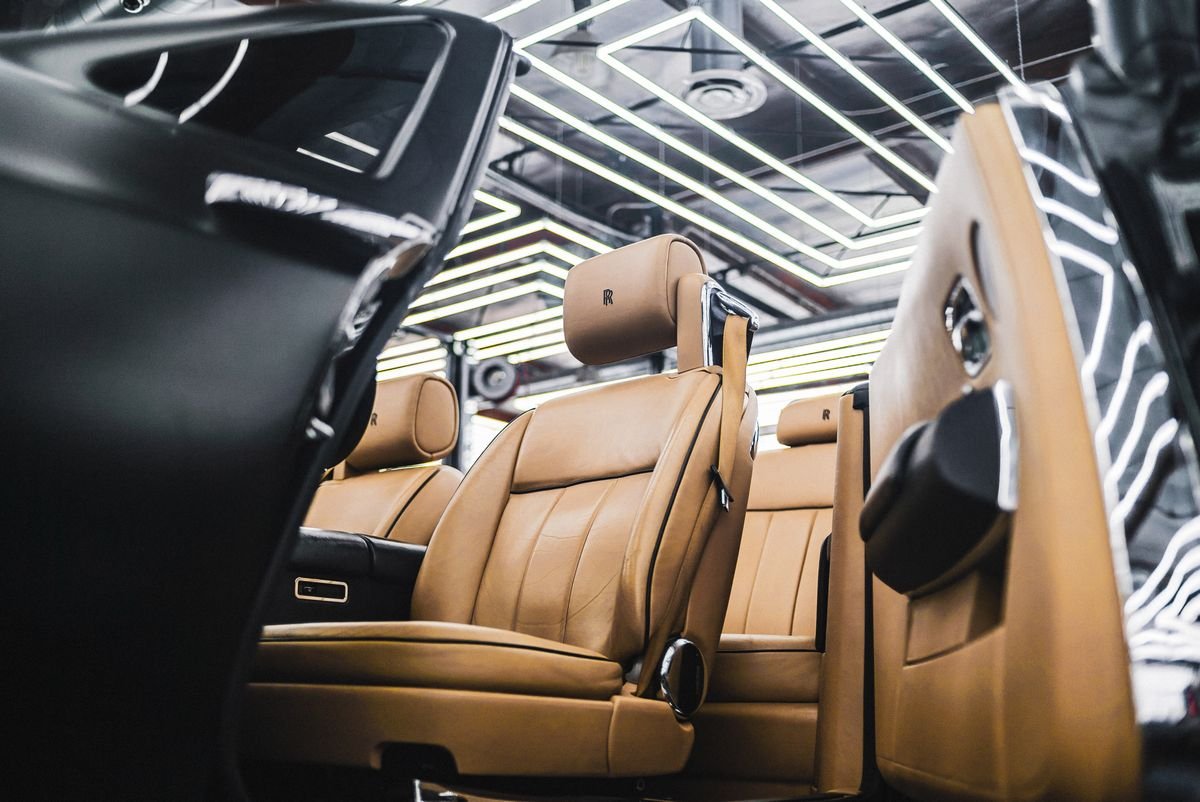
Cloth seats need sun protection too, though the routine is different. A fabric protectant spray can help the fibers resist fading and staining, and it is worth applying once or twice a year. Vacuum cloth seats often, because dust and sand wear the fibers down, and keep a sunshade in place so the sun does not fade the tops of the seats. Some cloth seats have suede style inserts, like the sport seats in many performance cars. Those inserts need a suede safe cleaner and should never be treated with a leather conditioner, which would stain them permanently.
What to Do If Cracks Have Already Started
If you have found small cracks on your seats, do not panic. Early damage can be slowed down a lot, and in some cases the seats can be made to look much better. What matters is acting quickly, because a small crack that is ignored will grow every time you sit on it.
Start by cleaning the seat gently and letting it dry fully. Then apply a leather conditioner and give it time to soak in. On lightly dried leather this alone can make a visible difference, because the conditioner plumps the fibers back up and the small surface splits become less obvious. Repeat the conditioning once a week for a month and watch whether the leather feels softer and the cracks look less deep. Many drivers are surprised by how much life comes back with simple regular feeding.
For cracks that have opened into the surface, a leather filler can help. These products are pastes that you press into the crack with a small spatula, let dry, and then smooth with fine sandpaper before coloring to match. The result will not be perfect, and up close you will still see the repair, but from a normal sitting distance the seat can look nearly new again. Filler kits cost little and come with color matching guides, so a careful driver can do a decent job at home on a weekend afternoon.
There is a point where home repair stops making sense. If the cracks are deep, if the leather has gone hard and brittle across a whole panel, or if the foam underneath is showing through, it is time to talk to a professional upholsterer. A good trim shop can replace a single panel for far less than a full retrim, and the result will look factory fresh. Ask for a quote before the damage spreads, because a panel that is repaired early costs much less than a seat that needs a full rebuild later.
One warning matters here. Never try to hide cracks with a thick layer of conditioner or with a dark dye applied over dirty leather. The extra product will not fix the damage, it will trap dirt inside the crack, and it will make a proper repair harder later. Clean first, feed the leather, and then decide whether a filler or a professional is the right next step.

The Weekly and Monthly Routine That Keeps Seats Like New
A routine only works if it is easy to remember, so here is the whole plan in one place. Print it, save it on your phone, or stick it inside the glove box.
Every week, take two minutes to wipe the seats with a dry microfiber cloth. This lifts the dust and the fine grit that wear the surface down. If the seats feel sticky after a hot day, wipe them with a cloth that is slightly damp with plain water, then dry them right away. Keep a microfiber cloth in the door pocket so the habit is always within reach.
Every month, vacuum the seats properly, including the seams and the gap where the backrest meets the cushion. Check the high wear spots, which are the outer bolster on the driver side and the top edge of the backrest, and look for early signs of drying, such as a dull patch or a surface that feels rough instead of smooth. Catching dryness early is the whole secret, because a seat that is fed before it cracks will never crack at all.
Every three months, do the full clean and condition routine described above, and finish with a UV protectant. In summer, shorten that to once a month if the car lives outside. The heat inside a parked car is brutal on seats, and the same kind of heat causes trouble for the electronics we carry too, so our guide on how to keep a phone cool while charging overnight is a useful companion read if you leave devices in the car. After each conditioning session, check that the sunshade is still in good shape and that the tint has no peeling edges, since both are part of the same defense.
Twice a year, in spring and in autumn, give the whole interior a deep clean. Clean the seats, treat the dashboard and the door panels, and check the cabin for any new wear. Spring is the right time to prepare for the strong summer sun, and autumn is the right time to repair any damage the summer caused before winter makes the leather stiff with cold.
Mistakes That Make Cracking Worse
Some habits feel helpful but actually speed up the damage. Avoid these five mistakes and your seats will last years longer.
- Leaving the car in the sun with the windows fully closed every day. The heat builds up fast, so crack a window slightly when it is safe to do so, or use a solar powered vent fan that keeps air moving.
- Using household cleaners on leather. Dish soap, all purpose spray, and alcohol wipes strip the oils out of leather and damage the topcoat. Only use products made for automotive leather.
- Conditioning a dirty seat. Conditioner spread over grime seals the dirt in place and blocks the product from reaching the leather. Clean first, every time.
- Applying too much product at once. A thick layer of conditioner does not soak in faster. It sits on the surface, feels greasy, attracts dust, and can stain clothes. Thin coats, applied often, are the right approach.
- Ignoring the early signs. A dull patch, a rough spot, or a faint line on the bolster is the seat asking for help. Feed it that week and the problem will usually stop there. Wait a year and the same spot will be a crack that needs filler or a professional repair.
One more habit deserves a mention. Eating and drinking in the car leaves spills and crumbs on the seats, and the sugar and salt in food speed up wear and attract moisture. If you do eat in the car, wipe the seats the same day. A clean cabin smells better too, and if your car ever develops a strange odor, our guide on why does my car smell like rotten eggs when accelerating explains what to check first.
Conclusion
Learning how to keep car seats from cracking in the sun comes down to three ideas that are easy to remember. First, the sun attacks in two ways, with UV light that breaks down oils and dyes, and with heat that bakes the moisture out of the material. Second, blocking the sun beats repairing the damage, so shade, a sunshade, and window tint do more than any bottle you can buy. Third, clean leather that is conditioned on a regular schedule stays soft and flexible, and soft leather does not crack.
Mark, the driver from Phoenix, changed two habits after he found those cracks. He started using a sunshade every single day and he set a reminder to condition his seats every month through the summer. A year later the cracks had not grown, the leather felt soft again, and the seats looked years younger than the mileage on the car suggested. The damage that had already happened stayed visible if you looked closely, but it had stopped, and that was the victory.
Start today. Put a sunshade in the car, pick a shaded spot tomorrow morning, and set a reminder to clean and condition the seats this weekend. Your seats will thank you every time you sit down, and the next person who buys your car will see an interior that looks cared for, which is worth real money when it comes time to sell.
Frequently Asked Questions
How often should I condition my leather car seats?
Condition every three months if the car is parked outside most of the time, and every six months if it is mostly garaged. In very hot and sunny places, condition once a month during summer for the best protection.
Can a windshield sunshade really stop car seats from cracking?
A sunshade cannot stop cracking on its own, but it makes a big difference. It blocks direct sunlight and can drop the cabin temperature by 20 to 30 degrees, which slows both UV damage and heat drying. Combined with regular conditioning, it is one of the most effective tools you have.
Is window tint worth it for protecting car seats?
Yes, for most drivers it is the best single upgrade. Good quality tint blocks up to 99 percent of UV rays and cuts cabin heat. Check the tint laws in your state first, then have a professional shop fit a film that blocks UV light even at a lighter shade.
Can cracked leather car seats be fixed at home?
Small surface cracks can be improved at home with regular conditioning and a leather filler kit, which fills the crack and can be colored to match. Deep cracks, hard brittle leather, or exposed foam need a professional upholsterer, who can replace a single panel for far less than a full retrim.
Can I use coconut oil or olive oil on leather car seats?
No, household oils are not a safe substitute. They leave residue, attract dirt, darken the leather unevenly, and can go rancid in heat. Use a conditioner and a UV protectant made for automotive leather instead.
