
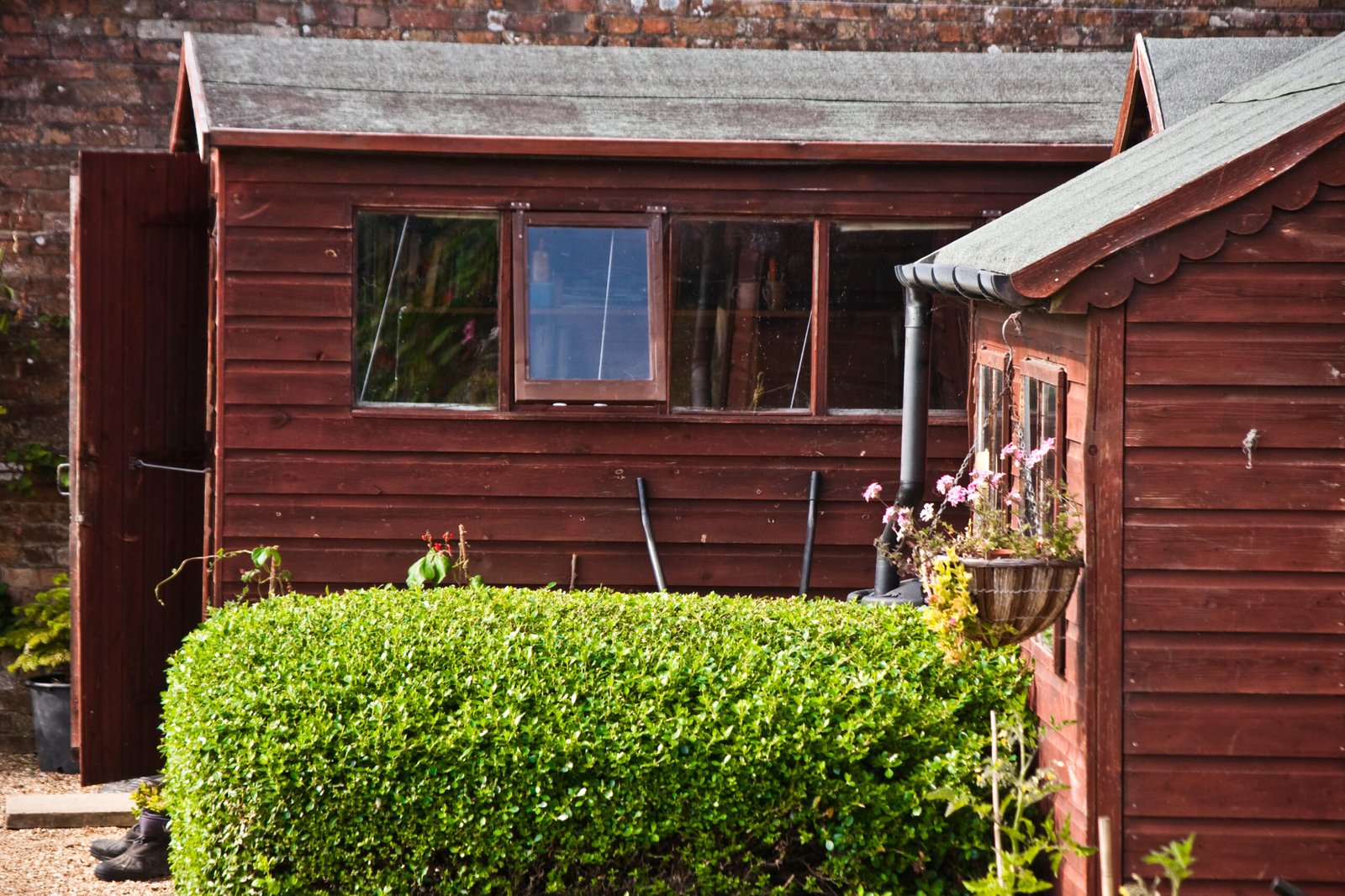
Every October, as the nights turn cold across the UK, mice start looking for a warm dry place to spend the winter, and your garden shed sits near the top of their list. A shed full of seed packets, pet food, old cushions and undisturbed corners is a five star hotel for a mouse. Once one moves in, the rest of the family follows, and the gnawing begins on everything from tool handles to the timber itself.
The good news is that learning how to keep mice out of garden shed spaces in the UK is simpler than most people think. You do not need expensive gadgets or harsh chemicals. You need a clear plan built on three things: blocking the entry points, removing what draws them in, and adding deterrents that genuinely help. This guide walks you through all of it, step by step, with honest advice about what works and what is a waste of money.
Why Mice Move Into Garden Sheds in Autumn
Mice do not invade your shed to annoy you. They come for the same three things every living creature wants: food, shelter and safety. In late September and October, wild food becomes scarce and temperatures drop. A wooden shed offers insulation from the cold, darkness that hides them from owls and cats, and often a ready supply of food in the form of grass seed, birdseed, pet food and vegetable seeds.
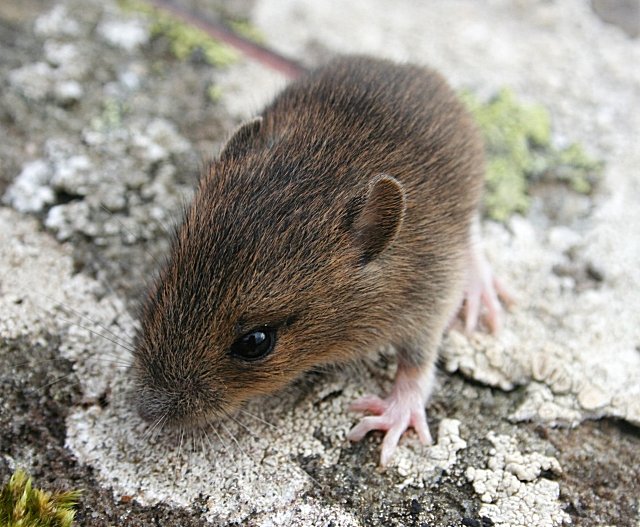
The mice you will meet are usually house mice or wood mice. Both are small, quick and determined. A mouse can squeeze through a gap as small as 6 mm, which is roughly the width of a pencil. That means the little crack where the shed door meets the frame, the gap under a raised floor, or the torn corner of the roof felt are all open doors. Wooden sheds are especially vulnerable because timber swells and shrinks with the seasons, quietly opening new gaps each year.
Spotting the problem early matters. Look for tiny dark droppings along walls, gnawed corners on seed bags or cardboard boxes, shredded paper or insulation used as nesting material, and a faint musky smell. If you find any of these, act now. A small autumn problem becomes a full winter infestation if you wait.
How to Keep Mice Out of Garden Shed Spaces in the UK: the Three Part Plan
The strongest approach has three parts that work together. Sealing alone fails if food is still inside. Deterrents alone fail if the gaps are still open. Do all three and your shed becomes a place mice walk past instead of moving into.
Part 1: Block Every Entry Point
Exclusion is the single most effective thing you can do. Walk slowly around your shed with a torch and look for every gap, crack and hole. Pay special attention to the base corners where timber meets the ground, the door frame, any vents, and where pipes or cables enter. Check the roof felt edges too, because mice are good climbers.
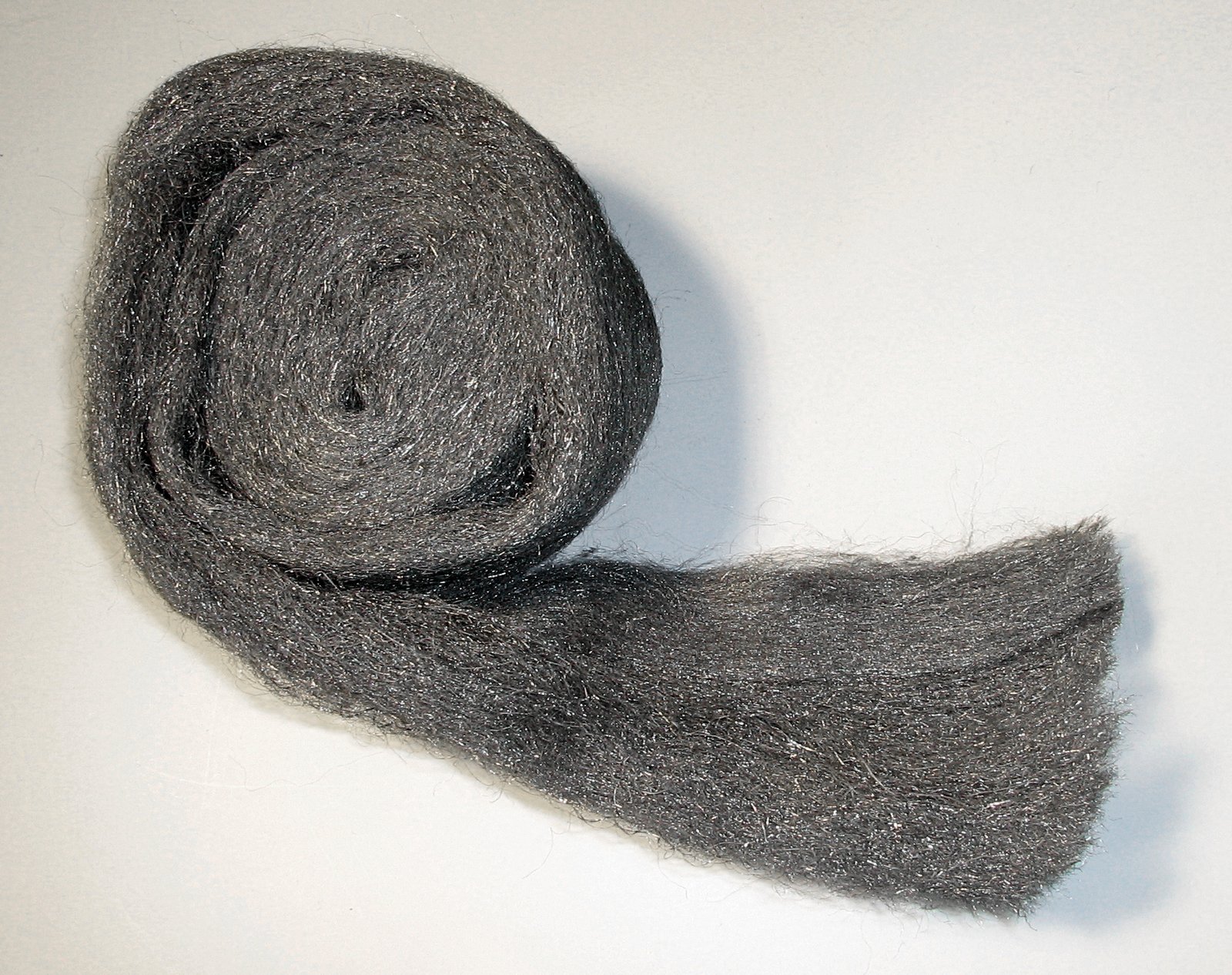
For small holes, pack coarse steel wool tightly into the gap and seal over it with caulk. Mice cannot chew through steel wool, and the caulk holds it in place and keeps out draughts. For vents and larger openings, fix galvanised wire mesh with a small grid over the opening and screw it down properly. Fit a brush strip or a metal threshold plate along the bottom of the door so the gap underneath is smaller than 6 mm.
If your shed sits on bearers or blocks with a gap underneath, consider fixing a skirt of galvanised wire mesh around the base, buried a few centimetres into the soil and bent outward. This stops mice tunnelling under. Recheck every autumn, because timber movement opens fresh gaps each year and last year’s perfect seal may not be perfect now.
Part 2: Remove What Draws Them In
A sealed shed with food inside is still a target, because mice will test every weak point to reach it. Go through your shed and move all birdseed, grass seed, pet food and vegetable seeds into airtight metal bins with tight fitting lids. Thick plastic bins with latching lids also work, but metal is the gold standard because mice can eventually gnaw through plastic. If you store birdseed for your feeders, remember it attracts mice just as strongly as it attracts birds.
Get rid of cardboard boxes, old newspapers and fabric offcuts, or move them into sealed containers. These are perfect nesting materials. Lift storage off the floor onto shelves where you can, because it removes hiding places and makes inspection easier. Sweep the floor regularly and clear up any spilled seed or crumbs. Even a small scattering under a workbench is a dinner invitation.
Finally, tidy the area around the shed. Cut back overgrown plants touching the walls, move log piles and compost bins a few metres away, and keep the grass short. All of these give mice cover and nesting spots right next to your shed. A clear metre of open ground around the shed makes mice feel exposed, and exposed mice look elsewhere.
Part 3: Repel and Deter Naturally
With the gaps sealed and the food locked away, natural deterrents add a useful extra layer. Soak cotton balls in peppermint oil and place them near the door, in corners and on shelves. Cloves, cayenne pepper and bay leaves scattered in vulnerable spots also put mice off. The catch is that scents fade, so you need to refresh them every two to three weeks, especially after damp weather.
Be honest with yourself about what these can and cannot do. Scent deterrents help, but they will not hold back a determined mouse if gaps are open and food is available. Think of them as the finishing touch on top of sealing and decluttering, not a replacement. If you keep pet food anywhere near the shed, the same airtight storage rule applies there too, because strong food smells overpower any repellent.

What to Do if Mice Are Already Living in Your Shed
Sometimes you arrive too late and the scratching in the walls tells you the tenants have moved in. Do not panic and do not reach for poison as a first step. Start by setting humane live capture traps along the walls where mice travel, baited with peanut butter or chocolate. Check the traps at least once a day and release any catches at least a kilometre from your home, somewhere with cover such as a hedgerow, so they have a fair chance.
Once the shed is empty, wash the interior with a diluted bleach solution and let it dry fully. Mice leave scent trails that attract new arrivals, so this step matters more than most people realise. Then seal every entry point using the methods in part one. If you seal first and trap second, you risk trapping mice inside with no way out, which is cruel and leaves you with a worse smell problem.
A word of caution about poison. Rodenticides are legal to buy in the UK, but they carry real risks. A poisoned mouse can be eaten by an owl, a fox or a neighbour’s cat, passing the poison up the food chain. The RSPCA and wildlife groups strongly advise against casual use. If you feel the problem is beyond DIY methods, your local council offers competitively priced pest control visits, and a professional will deal with it safely and legally.
Mouse Myths That Will Not Protect Your Shed
Plenty of products promise an easy fix. Here is an honest look at the most common ones.
Ultrasonic plug in devices claim to drive mice away with high frequency sound. Independent evidence for their effectiveness is weak, and many users report mice simply ignoring them after a few days. They are not a substitute for sealing gaps.
Mothballs are sometimes suggested as a repellent, but they are not approved for this use and they release chemicals that are unsafe for people, pets and the soil around your shed. Keep them out of your garden entirely.
Expanding foam on its own is not a barrier. Mice chew through it in an afternoon. If you use foam to fill a large void, always cover it with wire mesh or a metal plate so they cannot gnaw back in.
And while a good mouser of a cat helps around the garden, no cat patrols a locked shed all night. Do not rely on pets as your only line of defence.
Your Year Round Shed Checklist
Mouse prevention is a habit, not a one off job. A few minutes each season keeps the problem from returning.
- Autumn: do your full inspection and sealing round, refresh peppermint oil, move all seed and food into sealed bins, and clear vegetation from around the base. This is the critical season.
- Winter: check traps if you use them, look for fresh droppings when you visit the shed, and make sure stored food containers are still sealed tight.
- Spring: clear out winter clutter, check the roof felt and base corners for new gaps opened by frost and rain, and sweep out nesting material.
- Summer: repaint or treat the timber to keep it sound, since rotting wood is easier for mice to gnaw through, and keep the area around the shed tidy while growth is fast.
Conclusion
Knowing how to keep mice out of garden shed spaces in the UK comes down to thinking like a mouse. Close the gaps they slip through, take away the food that tempts them, and make the shed an unwelcoming place with natural deterrents. Handle any existing residents humanely, wash away their scent trails, and keep up a simple seasonal routine. Do this well and your shed stays yours all winter long, with no gnawed seed bags, no shredded insulation and no unwelcome tenants.
Frequently Asked Questions
How small a gap can a mouse fit through?
A mouse can squeeze through a gap as small as 6 mm, about the width of a pencil. Any crack that lets daylight through is worth sealing with steel wool and caulk or covering with wire mesh.
Does peppermint oil really keep mice away?
Peppermint oil can deter mice from specific spots, but the effect fades within two to three weeks and needs refreshing. It works best as a finishing touch on top of sealing gaps and removing food, not as a standalone solution.
Should I use poison in my garden shed?
It is best avoided. Poisoned mice can be eaten by owls, foxes and cats, spreading the poison through local wildlife. Try humane traps and exclusion first, or call your local council’s pest control service for a safe professional treatment.
How do I know if mice are already in my shed?
Look for small dark droppings along walls and on shelves, gnaw marks on seed bags and cardboard, shredded paper or insulation used for nesting, and scratching sounds at night. A faint musky smell is another telltale sign.
Will mice come back after I remove them?
They will if the gaps and food are still there. Mice follow scent trails left by previous visitors, so wash the shed with a diluted bleach solution after removal and seal every entry point to break the cycle for good.

1 Comment
Pingback: Keep Squirrels From Digging Up Planted Bulbs