
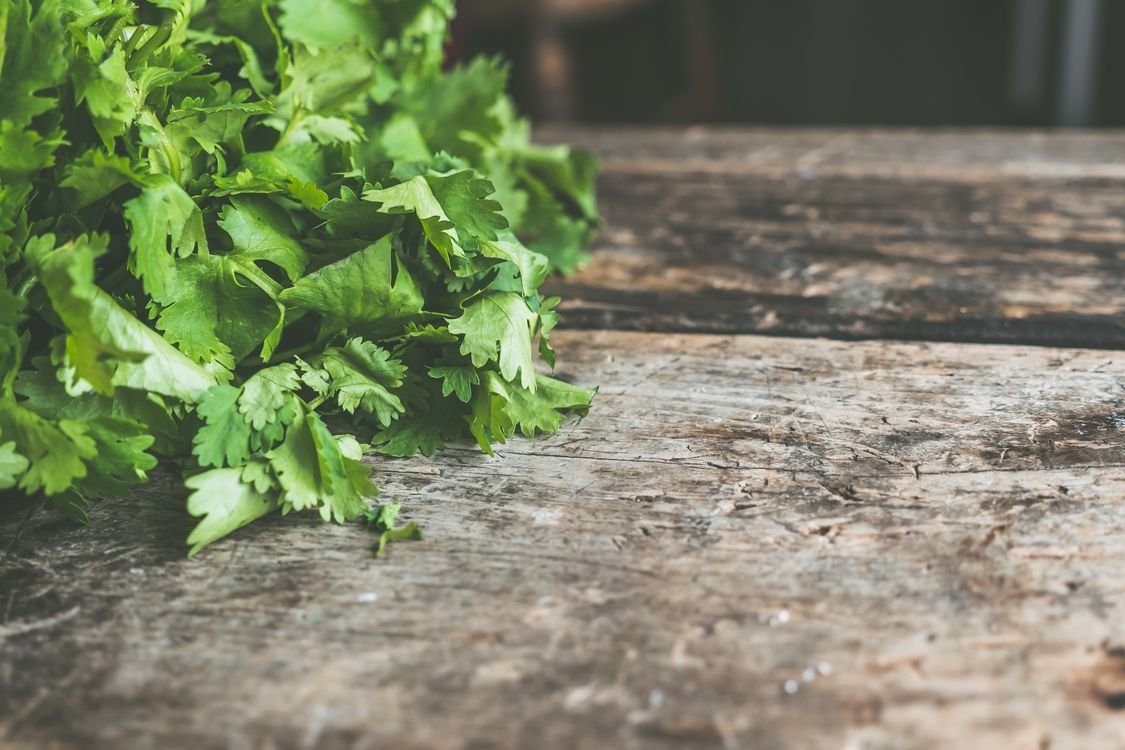
Last month I bought a big bunch of cilantro on a Sunday in Austin for taco night. I used a small handful on the tacos, tucked the rest into the fridge, and forgot about it. By Thursday the bunch had turned into a sad wet bundle with black edges and a smell that made me toss the whole thing. That bunch cost only a dollar, but the waste bothered me, because I had thrown away perfectly good food for no reason at all. If you cook with cilantro even once a week, you know this story. The herb looks bright and full of life at the store, then it collapses in your fridge within days. The good news is that learning how to keep cilantro fresh in the fridge is simple, and the fix takes about two minutes once you know the method. This guide walks you through the jar method that keeps cilantro crisp for up to two weeks, a paper towel method for tight fridges, the buying habits that add days of life, and the mistakes that quietly kill your herbs.
Why Cilantro Wilts So Fast in the Fridge
Cilantro is a soft herb, which means it has thin stems, delicate leaves, and a lot of surface area for its size. That structure is exactly why it tastes so bright and fresh, and it is also why it fades so fast. The leaves lose water to the dry air inside a refrigerator, and at the same time any water left sitting on the leaves invites bacteria and mold. It is a narrow balance. Too dry and the leaves wilt and curl. Too wet and they turn slimy and black. Most people store cilantro the way they store a bag of carrots, loose in a produce bag or sitting in the crisper drawer, and that is the worst of both worlds. The bag traps moisture against the leaves while the stems dry out, so the bunch rots from the leaves down while the stems go limp.
The crisper drawer makes things worse in many American fridges because the humidity setting is often wrong for herbs. A drawer set to low humidity dries cilantro out in a day or two. A drawer set to high humidity can keep the leaves damp enough to rot. Temperature matters too. Cilantro likes steady cold around 35 to 40 degrees Fahrenheit. The back wall of a fridge can dip near freezing and damage the leaves, while the door is the warmest spot and speeds up wilting. Once you understand this balance, the storage method almost writes itself. You need to keep the stems in water so they stay hydrated, and keep the leaves dry and protected from the dry fridge air. That is the whole secret, and every method below is just a different way to hold that balance.
How to Keep Cilantro Fresh in the Fridge With the Jar Method
The jar method is the single best way to keep cilantro fresh in the fridge, and it is the method used by restaurant kitchens and serious home cooks alike. Treat the bunch like a small bouquet of flowers. The stems drink water, the leaves stay covered and calm, and the bunch can stay crisp for 10 to 14 days. Here is exactly how to do it.
First, do not wash the cilantro yet. Water left on the leaves is the main reason bunches turn slimy, so keep the herb dry until the moment you cook with it. Pick through the bunch and pull out any leaves that are already yellow, brown, or slimy. One rotting leaf can spread decay to the rest of the bunch in a day, so starting clean matters more than people think.
Next, trim about half an inch off the bottom of the stems with a sharp knife or kitchen scissors. A fresh cut opens the stem ends so they can pull up water, much like trimming the stems of flowers before you put them in a vase. Stand the bunch upright in a glass jar or a tall drinking glass with about one to two inches of cool water. Make sure the water touches the stem ends but does not reach the leaves.
Now cover the leaves loosely with a plastic produce bag or a small plastic bag from the store. Leave the bag loose so a little air can move around the leaves. The bag acts like a tiny greenhouse, holding humidity around the leaves without letting the dry fridge air strip moisture away. Do not seal it tight. Trapped air with no movement encourages mold, so a loose cover is the goal.
Set the jar in the fridge where it will not get knocked over. The crisper drawer works if the jar fits, but a middle shelf is often easier and keeps the jar away from the cold back wall. Change the water every two to three days, or sooner if it looks cloudy. Cloudy water means bacteria are growing, and that bacteria blocks the stems from drinking. Each time you change the water, trim a tiny bit off the stem ends again to reopen them.
This method works because it solves both halves of the moisture problem at once. The stems stay hydrated through the water, and the loose bag keeps the leaves in humid air instead of dry fridge air. In my own kitchen, a bunch stored this way stayed bright and usable for 12 days, which is about four times longer than a bunch tossed loose in a bag. If you only remember one thing from this article, remember the jar method. It is simple, it costs nothing, and it is the reason my cilantro stopped ending up in the trash.
The Paper Towel Method for Small Fridges
Not every fridge has room for a jar standing upright, and that is where the paper towel method earns its place. It is not quite as strong as the jar method, but it still keeps cilantro fresh for five to seven days, which covers most weekly cooking. It also works well when you have already picked the leaves off the stems.
Start with dry cilantro. If the bunch is damp from the store, pat it gently with a clean kitchen towel or paper towels until the leaves feel dry to the touch. Lay the bunch on a slightly damp paper towel, not a soaking one. A towel that drips water will rot the leaves. You want it damp enough to feel cool, like a towel you wrung out well by hand.
Roll the towel loosely around the herb, like rolling a small burrito, and tuck the roll into a zip top bag. Leave the bag open a crack or poke a few small holes in it so air can move. Store the bag in the crisper drawer, away from the back wall. Check the towel every two to three days. If it feels dry, mist it lightly with water or swap it for a fresh damp towel. If it feels soggy, replace it right away, because a wet towel is worse than a dry one.
The paper towel method uses the same idea as the jar method. It gives the leaves a damp environment without drowning them, and the bag slows down moisture loss. It is the method I use when my fridge is already crowded with leftovers and there is no room for a jar. For a full comparison of fridge storage tricks that use the same paper towel idea, see our guide on how to keep lettuce fresh in the fridge for two weeks, which shows how moisture control works across different greens.
How to Buy Cilantro That Lasts Longer
Storage starts at the store, not at home. A bunch that is already tired will not last long no matter how well you store it, so learning to pick a good bunch is worth the extra ten seconds. Look for leaves that are bright green and perky, with no yellow edges and no dark spots. The stems should feel firm and snap slightly when you bend them. If the stems feel limp or the leaves feel wet and slick in the bag, pick a different bunch.

Smell the bunch before you buy it. Fresh cilantro has a strong, clean citrus scent with a little pepper in it. If the bunch smells faint or sour, it is already past its best. Check the cut ends of the stems too. Fresh cut ends look pale green and moist. Brown or dried out stem ends mean the bunch has been sitting for a while.
Buy cilantro the same day you plan to cook with it if you can, and use the freshest bunch first. If you buy two bunches at once, store one with the jar method and keep the other for a dish later in the week. In the United States, most grocery stores sell cilantro for about one dollar a bunch, and farmers markets often sell larger bunches for the same price, so buying fresh more often is cheaper than buying once and wasting half of it.
Mistakes That Kill Cilantro Fast
Most cilantro dies in the fridge because of a few small habits that are easy to fix. The biggest mistake is washing the whole bunch as soon as you get home. Water on the leaves is the fastest route to slime. Wash only the amount you need, right before you use it, and leave the rest dry in storage.
The second mistake is storing cilantro next to fruit that releases ethylene gas. Apples, bananas, pears, and ripe avocados all give off ethylene, which speeds up aging in leafy herbs. Keep your cilantro jar away from the fruit drawer. The same rule applies to other produce, which is why our guide on how to keep avocado fresh after cutting also warns about ethylene from nearby fruit.
The third mistake is forgetting to change the water in the jar. Stale water turns cloudy with bacteria, and that bacteria clogs the stem ends so the leaves cannot drink. A water change every two to three days takes less than a minute and adds days to the life of the bunch.
Other mistakes are smaller but still worth knowing. Do not store cilantro in the fridge door, where the temperature swings every time the door opens. Do not pack the bunch tightly into a small container, because crushed leaves bruise and rot faster. Do not leave cilantro on the counter for hours after shopping, because warm air wilts soft herbs fast. And do not freeze a bunch and expect it to come back crisp. Freezing changes the texture, which is fine for cooking but not for a fresh garnish.
How to Tell Cilantro From Parsley at the Store
Cilantro and flat leaf parsley look almost identical in the produce aisle, and buying the wrong one is a common mistake. The two herbs are cousins in the same plant family, and both grow with slender stems and clusters of green leaves. But a few clues make them easy to tell apart once you know what to look for.

Cilantro leaves are softer and more rounded, with gentle curves along the edges. Parsley leaves are flatter and more pointed, with sharper edges. Cilantro is usually a lighter, brighter green, while parsley is a deeper green. The smell test is the most reliable. Crush one leaf between your fingers. Cilantro smells bright and citrusy, almost like lime. Parsley smells mild and grassy by comparison.
If you are still unsure, ask the produce staff. In most American grocery stores the herbs sit side by side, and the tags can be easy to misread. Getting the right herb matters, because parsley will not give your salsa or curry the flavor you expect from cilantro. It also matters for storage, because parsley is a hardier herb that tolerates slightly different handling than delicate cilantro.
Can You Freeze Cilantro for Later
Freezing is the best option when you know you cannot use a whole bunch before it wilts. Frozen cilantro will not stay crisp, so it is not right for a fresh garnish, but it works well in soups, curries, sauces, and marinades where the herb gets cooked in. The flavor holds up surprisingly well for months.
To freeze cilantro, wash the leaves and pat them very dry, then chop them coarsely. Pack the chopped herb into an ice cube tray and cover each cube with a little water or olive oil. Once the cubes are frozen solid, pop them out and store them in a labeled freezer bag. Each cube is about one tablespoon of chopped cilantro, which is handy for cooking. Frozen this way, cilantro keeps for up to three months. Label the bag with the date so you know when to use it up.

Another freezing option is to blend the cilantro with a little oil into a paste and freeze it in small portions. This works well for pesto style sauces and curry bases. The texture changes completely, but the flavor stays bright. If you freeze herbs often, the same ice cube trick works for other produce too. Our guide on how to store ginger so it lasts longer covers freezing as one of its storage methods, and the same logic applies here. Freeze what you cannot use fresh, and keep the fresh bunch in the fridge for garnishing.
How to Revive Wilted Cilantro
A bunch that has gone limp is not always lost. If the leaves are still green and have not turned slimy or black, you can often bring them back with a short ice water bath. Fill a large bowl with cold water and a handful of ice cubes, then submerge the stems and leaves for 30 to 60 minutes. The cold water rehydrates the leaves and firms them up again. This trick works once. If you repeat it, the leaves break down faster, so use the revived cilantro the same day.
After the soak, spin the leaves dry in a salad spinner or pat them gently with a clean towel, then store the bunch with the jar method. Revived cilantro will not last as long as a fresh bunch, so plan to use it within a day or two. If the leaves have yellow edges, brown spots, or a slimy feel, do not try to save them. Those are signs of decay, and the bunch belongs in the compost or the trash.
How Long Does Cilantro Last in the Fridge
Knowing how to keep cilantro fresh in the fridge makes a big difference to how long it lasts. Here is a realistic guide based on what works in a normal home fridge.
Loose in a produce bag, cilantro lasts about three to four days before it wilts or turns slimy. With the paper towel method, it lasts five to seven days. With the jar method, it lasts 10 to 14 days. Chopped cilantro stored in a container lasts only one to two days, because the cut edges oxidize and dry out fast. Frozen cilantro keeps for up to three months, but only for cooked dishes. These numbers assume a fridge temperature between 35 and 40 degrees Fahrenheit and a bunch that was fresh when you bought it. A bunch that was already tired at the store will last less time no matter what you do.
Conclusion
Learning how to keep cilantro fresh in the fridge comes down to one idea. Keep the stems in water and keep the leaves dry and sheltered. The jar method does both at once, and it is the reason a bunch that used to last three days can now last two weeks in my kitchen. The paper towel method is a solid backup when fridge space is tight, and freezing saves the extra bunch you cannot use in time. Buy a fresh bunch with bright leaves and firm stems, do not wash it until you cook with it, change the jar water every two to three days, and keep it away from ethylene producing fruit. Those five habits cost almost no time, and they end the weekly ritual of throwing away a slimy bunch. The next time you bring cilantro home for taco night, try the jar method. Your future self, opening the fridge a week later to find bright green leaves instead of black slime, will be glad you did.
Frequently Asked Questions
How long does cilantro last in the fridge?
With the jar method, cilantro lasts 10 to 14 days in the fridge. With the paper towel method, it lasts five to seven days. Loose in a produce bag, it usually lasts only three to four days.
Should I wash cilantro before storing it?
No. Wash only the amount you need right before you use it. Water left on the leaves is the main cause of slime and rot, so keep the stored bunch dry.
Can you store cilantro in water in the fridge?
Yes, and it is the best method. Trim the stems, stand the bunch in a jar with one to two inches of water, cover the leaves loosely with a bag, and change the water every two to three days.
Why does my cilantro turn black in the fridge?
Black leaves usually mean too much moisture on the leaves, stale water in the jar, or storage near the cold back wall of the fridge. Keep the leaves dry, change the water often, and move the jar away from freezing spots.
Is frozen cilantro as good as fresh?
Frozen cilantro keeps its flavor well for cooked dishes like soups and curries, but the leaves lose their crisp texture. Use fresh cilantro for garnishing and frozen cilantro for cooking.

1 Comment
Pingback: How to Keep Spinach Fresh in the Fridge