

You nurture a tray of seedlings for weeks, watching the first true leaves unfold, and then you plant them out with pride. The next morning you walk outside with your tea and your heart sinks. Stems have been chewed clean through, leaves are full of ragged holes, and a silvery trail glistens across the soil. If you want to know how to stop slugs eating seedlings naturally, you are in the right place.
Slugs are the number one enemy of young plants in British gardens. They feed at night, they love damp weather, and a single slug can destroy a whole row of seedlings in one feeding session. The good news is that you do not need harsh chemicals to beat them. This guide covers nine natural methods that actually work, plus how to rescue seedlings that have already been attacked.
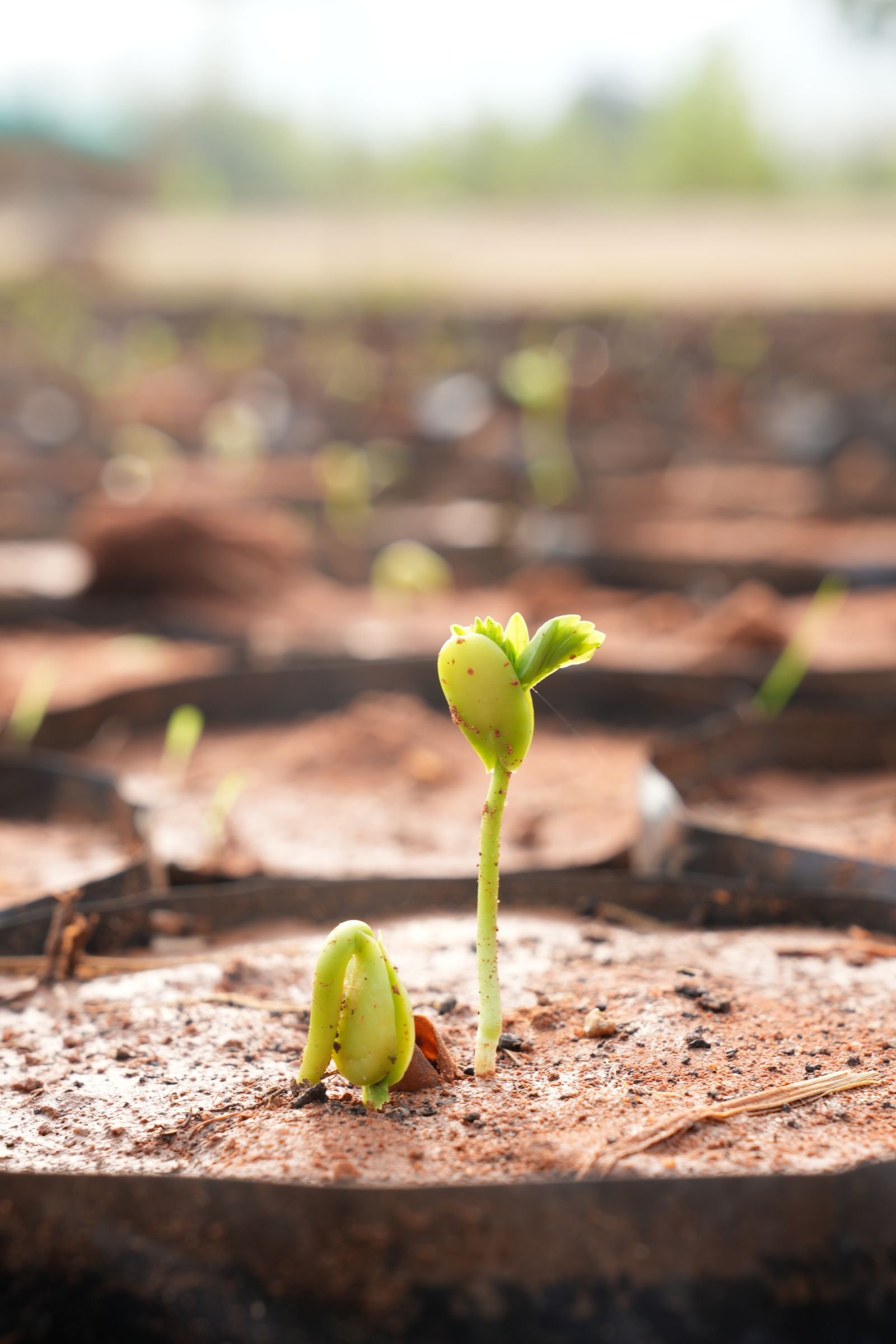
Why slugs love seedlings so much
Understanding your enemy makes every defence more effective. Slugs are most active after dark and in wet conditions, which is why the damage always seems to appear overnight. A seedling is the perfect meal for them: the tissue is soft and tender, full of moisture, and low to the ground where slugs travel.
Mature plants can usually survive a few nibbled leaves, but a seedling has no reserves. If a slug eats through the main stem of a young plant, that plant is finished. This is why seedlings need protection from the very first night they go outside, not after the damage starts.
During the day slugs hide in cool, damp places: under pots, beneath stones, inside dense foliage, and along the shady edges of raised beds. Knowing their hiding spots helps you find them and helps you choose where to place your defences.
The 9 best ways to stop slugs eating seedlings naturally
No single method gives complete protection, so the gardeners with the fewest losses always combine two or three of these. Start with the barriers, add a trap or two, and adjust your watering habits. Together these nine methods form a defence that slugs find very hard to beat.
1. Copper tape around pots and trays
When a slug touches copper it receives a tiny electric shock, unpleasant enough to make it turn back. Wrap self adhesive copper tape around the rims of pots, seed trays, and raised bed edges, making sure there are no gaps. The tape needs to be at least two centimetres wide to work reliably.
Copper tape works best on containers because slugs have to cross the rim to reach the plants. Keep the tape clean, since a layer of soil or algae on the surface weakens the effect. Replace it each season, as weathering reduces its power over time.
2. Crushed eggshells and sharp grit
Slugs move on a layer of mucus, and rough, sharp surfaces make that journey miserable. Save your eggshells, rinse them, let them dry completely, then crush them into jagged flakes about the size of a fingernail. Spread a ring three to five centimetres wide around each seedling, at least a centimetre deep.
Horticultural grit works the same way and lasts longer in wet weather. The key weakness of both is rain: a heavy downpour washes the barrier flat, so refresh it after storms. Never crush the shells to powder, since fine dust does nothing to deter a slug.
3. Beer traps
Beer traps are the classic slug trap for a reason: they genuinely catch slugs. Slugs are drawn to the yeast in beer, fall in, and drown. Sink a yogurt pot or similar container into the soil so the rim sits just above soil level, then fill it halfway with cheap beer or a mixture of water, sugar, and yeast.
Place traps a metre or two away from your most precious seedlings so they lure slugs away from the plants rather than towards them. Empty and refill the traps every two or three days. In rainy spells they fill with water quickly, so check them often.
4. Nematodes
Nematodes are microscopic worms that hunt slugs underground, and they are one of the most effective biological controls available. You buy them as a powder, mix with water, and apply to moist soil with a watering can. The species used against slugs is Phasmarhabditis hermaphrodita.
Nematodes work best when the soil is above five degrees and damp, so spring and early autumn applications give the best results. One treatment protects for about six weeks. They are completely safe for plants, pets, and wildlife, which makes them ideal for organic and family gardens.
5. Water in the morning, not the evening
This costs nothing and makes a real difference. Slugs come out to feed when surfaces are damp, so watering in the evening creates perfect hunting conditions right as they emerge. Water in the morning instead, giving the soil surface and foliage time to dry before nightfall.
Water the soil around the base of plants rather than showering the leaves. Drip irrigation or a watering can with a narrow spout keeps moisture where roots need it and leaves the surface drier and less inviting to slugs.
6. Night patrols with a torch
It sounds old fashioned, but a torchlit patrol after dark is remarkably effective. Slugs are easy to spot on damp soil and paths, and removing twenty slugs in one evening can save dozens of seedlings. Go out about an hour after sunset, especially after rain.
Drop collected slugs into a bucket of salty water, or relocate them far from the garden if you prefer. Focus your patrols on the beds holding your youngest and most vulnerable plants. Ten minutes a night during peak slug season protects more seedlings than most products.

7. Invite natural predators into the garden
A garden full of wildlife has fewer slug problems. Frogs and toads eat large numbers of slugs, and a small pond or even a buried washing up bowl with a ramp gives them a home. Birds, hedgehogs, and ground beetles all eat slugs too.
Leave a wild corner with log piles and dense planting where predators can shelter. Avoid broad spectrum pesticides, which kill the beetles and other helpful creatures that keep slugs in check. A balanced garden never becomes completely slug free, but it becomes slug tolerant.
8. Collars and cloches for individual seedlings
For your most valuable seedlings, individual protection is worth the effort. Cut the bottom off a plastic bottle and push it into the soil around the seedling to form a collar. The smooth plastic is hard for slugs to climb, especially if you smear a band of petroleum jelly around the outside.
Cloches and fleece covers also work, with the bonus of protecting against cold nights. Remove covers during the day in warm weather so plants do not overheat. This method suits small numbers of prized plants rather than whole rows.
9. Ferric phosphate pellets as a last resort
If natural methods are not keeping up during a bad slug year, ferric phosphate pellets are the responsible choice. They are approved for organic growing and break down harmlessly in the soil, unlike the older metaldehyde pellets which are now banned in the UK because they poisoned wildlife.
Scatter pellets sparingly around vulnerable plants rather than broadcasting them widely, and reapply after heavy rain. Used as backup alongside barriers and traps, they stop an outbreak without turning your garden into a chemical zone.
How to save seedlings slugs have already damaged
Finding half eaten seedlings is upsetting, but not every damaged plant is a lost cause. Check the main stem first. If the stem is chewed right through at soil level, the seedling will not recover and should be replaced. If the growing tip and at least a few leaves survive, the plant often bounces back.
Trim away ragged leaf edges with clean scissors to prevent rot, then give the plant a gentle feed and consistent water to support regrowth. If the surviving leaves look pale or yellowed, our guide on why houseplant leaves turn yellow explains what those colour changes mean and how to respond.
Move recovering seedlings to a protected spot, such as a cold frame or a tray ringed with copper tape, while they rebuild strength. Give your tools a clean once the rescue work is done; our guide to removing rust from garden tools shows how to keep secateurs and trowels in good order.
Slug control myths that waste your time
Gardening folklore is full of slug remedies, and some are more hope than help. Coffee grounds are often recommended, but trials show slugs cross them without much trouble, and large amounts can harm soil life. Salt does kill slugs, but it also damages soil and plants, so it has no place in a bed where seedlings are growing.
Sand and ash barriers fail the moment they get wet, which in Britain is most of the time. Ultrasonic repellers have no credible evidence behind them. Stick to the methods in this guide, which are backed by gardener experience and, in the case of nematodes and ferric phosphate, proper research.
A simple weekly slug defence routine
Consistency matters more than any single product. Once a week, walk your beds and refresh any eggshell or grit rings that rain has flattened. Empty and refill beer traps, and check copper tape for soil buildup. After wet weather, do an extra night patrol with a torch.
In spring, apply nematodes when you plant out your first seedlings, and repeat after six weeks if slug pressure is high. Keep the garden tidy by clearing boards, dense weeds, and debris that give slugs daytime shelter. This routine takes less than half an hour a week and keeps losses to a minimum.
Final thoughts on keeping slugs off your seedlings
Learning how to stop slugs eating seedlings naturally comes down to three principles: block their path with barriers, reduce their numbers with traps and predators, and deny them the damp nighttime conditions they love. Copper tape, sharp grit, beer traps, and morning watering form a core defence that protects the vast majority of young plants.
Start protecting seedlings the night they go outside, not after the first attack. Combine two or three methods rather than relying on one, keep up the simple weekly routine, and accept that a nibbled leaf here and there is the price of a living garden. Your seedlings will thank you with strong, healthy growth.
Frequently asked questions
Do eggshells really stop slugs eating seedlings?
Yes, when used correctly. Crushed eggshells deter slugs because the sharp edges are uncomfortable for them to cross. Use jagged flakes, not powder, in a wide ring around each plant, and refresh the ring after rain for continued protection.
How do beer traps work for slugs?
Slugs are attracted to the yeast in beer. When you sink a container of beer into the soil, slugs crawl in and drown. Place traps slightly away from your seedlings so they draw slugs away from the plants, and refill every few days.
Are nematodes safe for pets and wildlife?
Yes. The nematodes used against slugs only target slugs and snails. They are harmless to plants, pets, birds, hedgehogs, and other wildlife, which is why they are popular with organic gardeners.
What time of day are slugs most active?
Slugs are most active at night and in damp conditions, especially after rain or heavy watering. This is why damage appears overnight and why morning watering and evening torch patrols are such effective tactics.
Can a seedling recover after slug damage?
Sometimes. If the main stem is cut through at soil level, the seedling is lost. If the growing tip and some leaves remain, trim the ragged edges, protect the plant, and feed and water it well. Many seedlings regrow strongly with a little care.
