
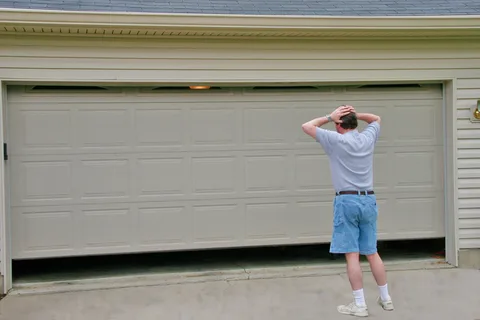
Your garage door refuses to open, and you are standing in the driveway wondering whether this is a five minute fix or a five hundred dollar service call. That uncertainty is exactly why so many homeowners search for how to repair garage door problems on their own before picking up the phone.
The good news is that a large share of garage door issues are simple enough to diagnose and fix without professional help. The other share, mostly involving spring tension, genuinely is not worth the risk. This guide walks you through both categories so you know exactly where you stand.
Unlike a generic repair checklist, this article organizes everything by symptom. You will find your specific problem, understand what is likely causing it, and get a clear answer on whether it is a safe DIY task or a job that belongs to a licensed technician.
Why Garage Doors Break Down in the First Place
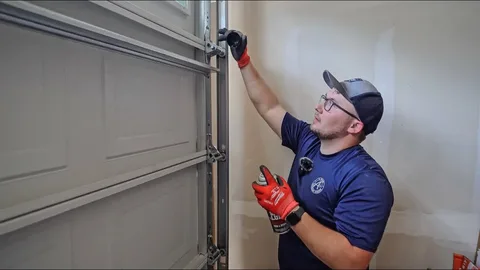
A garage door is one of the hardest working mechanical systems in your home. It opens and closes an average of three to five times a day, and every cycle puts stress on springs, cables, rollers, and tracks.
Most failures come down to wear and tear rather than a single dramatic malfunction. Metal fatigues, lubricant dries out, and small misalignments compound over months until the door finally protests. Weather plays a role too, since temperature swings cause metal components to expand and contract, which loosens hardware over time.
Understanding this helps set expectations. A garage door repair is rarely about one catastrophic event. It is usually the last stage of a slow, preventable process, which is why catching problems early saves both money and hassle.
Safety First: What You Should Never Attempt Alone
Before diving into fixes, it is worth being direct about risk. A garage door is the largest moving object in most homes, and certain components store enormous mechanical energy.
Torsion springs, the springs mounted horizontally above the door on a metal shaft, are wound under extreme tension to counterbalance the door’s weight. If one snaps or is handled incorrectly, it can cause serious injury. Adjusting, replacing, or even loosening a torsion spring without proper training and tools is not a beginner project.
The same caution applies to high tension cables, since they work in tandem with springs and carry similar risk if they fail under load. If your garage door has a single torsion spring centered above the door, treat any spring related issue as a job for a professional, no exceptions.
Everything else in this guide, from tracks to sensors to weatherstripping, is generally safe for a reasonably handy homeowner to address with basic tools and patience.
Troubleshooting by Symptom
This section is organized the way most people actually search for help: by what the door is doing, not by which part is broken. Find your symptom below.
The Door Will Not Open at All
Start with the obvious. Check that the opener is plugged in and that the outlet has power, since a tripped breaker or unplugged cord is a surprisingly common culprit. Next, look at the remote batteries and the wall switch to rule out a simple power issue.
If power is not the problem, check whether the door has been manually disengaged from the opener. Most openers have a red release cord that disconnects the trolley for manual operation. If that cord was pulled accidentally, reconnecting it usually solves the issue immediately.
If none of that works and you notice the door is difficult to lift even by hand, this points toward a spring problem. That is your cue to stop and call a professional rather than force it.
The Door Opens But Will Not Close
This is almost always related to the safety sensors, two small eye level units mounted near the bottom of each track. These sensors project an infrared beam across the doorway, and if anything blocks that beam, including dust, spider webs, or sunlight glare, the door will refuse to close as a safety measure.
Wipe both sensor lenses clean with a soft cloth, then make sure they are aligned and facing each other directly. A small LED light on each sensor typically indicates proper alignment. If the lights are not solid, gently adjust the sensor bracket until they line up.
If sensors check out fine, inspect the travel limit settings on the opener itself, since incorrect limits can cause the door to reverse before fully closing.
The Door Is Off Track
A door that has visibly jumped its track is a warning sign rather than a minor annoyance. Stop using the opener immediately to avoid further damage.
Minor misalignment, where the door is still seated but running crooked, can sometimes be corrected by loosening the track mounting brackets, gently tapping the track back into position with a rubber mallet, and retightening the bolts. Always use a level to confirm the track is properly plumb before securing it.
If the door has fully derailed from the track, this is a two person job at minimum, and if springs are involved in the imbalance, it moves into professional territory.
The Door Is Noisy
Squeaking, grinding, or rattling is usually a lubrication issue rather than a structural one. Rollers, hinges, and the track itself benefit from a garage door specific lubricant applied every few months.
Avoid using WD40 as a long term lubricant, since it is a solvent that displaces dirt temporarily but evaporates quickly and does not provide lasting protection. A silicone based or lithium based garage door lubricant is the better long term choice.
If lubrication does not quiet things down, worn rollers are the next suspect. Nylon rollers wear out over years of use and are relatively inexpensive to replace, making this one of the more approachable DIY repairs.
The Door Is Slow or Sluggish
A door that moves noticeably slower than it used to often points to a partially worn spring losing its counterbalance strength, or to an opener motor that is aging and struggling under load.
Check the opener’s force settings first, since these are sometimes adjusted incorrectly and cause the motor to work harder than necessary. If adjusting the settings does not help and the door has been slowing gradually over months, this is worth a professional inspection before it fails completely.
The Remote or Keypad Is Unresponsive
Before assuming a bigger problem, replace the remote batteries and reprogram the remote following your opener’s specific instructions, which are usually available on the manufacturer’s website using your opener’s model number.
Interference from nearby electronics or a keypad exposed to weather damage can also cause intermittent failures. If reprogramming does not resolve it, the receiver unit inside the opener itself may need replacement.
Tools You Need for Common Garage Door Repairs
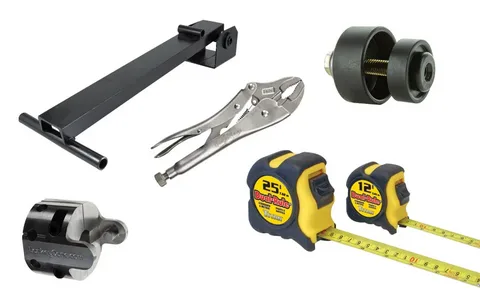
For the safe, non spring related repairs covered above, a modest toolkit covers nearly everything:
- Adjustable wrench and socket set for track bolts
- Rubber mallet for gentle track adjustments
- Level to check track alignment
- Garage door specific lubricant
- Soft cloth for sensor cleaning
- Work gloves and safety glasses
Notice that this list does not include specialized winding bars or clamps, because those tools belong to spring repair, which this guide consistently steers homeowners away from attempting solo.
Repair Vs Replace: How to Decide
Not every problem is worth fixing on an aging door. As a general rule of thumb, if your garage door is under ten years old and the damage is limited to one component, repair almost always makes financial sense.
If the door itself is older than fifteen years, has multiple simultaneous issues, or shows significant rust and panel damage, replacement often becomes the more economical choice once you factor in the cumulative cost of repeated repairs.
A useful gut check: if the repair cost is approaching half of what a comparable new door would cost, and the door is already showing its age in other ways, replacement is usually the smarter long term investment.
How Much Does Garage Door Repair Cost
Costs vary by region and by the specific issue, but having realistic numbers helps you evaluate any quote you receive.
| Repair Type | Typical Cost Range |
|---|---|
| Sensor realignment or cleaning | Free (DIY) |
| Roller replacement (per roller) | $15 to $30 for parts |
| Cable replacement | $100 to $200 |
| Torsion spring replacement (professional) | $150 to $350 |
| Opener motor repair | $100 to $300 |
| Track realignment or replacement | $100 to $250 |
| Full panel replacement | $250 to $600 |
These figures reflect general national averages and can shift based on your location, the brand of your door, and whether the job requires emergency same day service, which typically carries a premium.
Preventive Maintenance That Actually Works
Most garage door emergencies are preventable with a simple seasonal routine. Twice a year, ideally at the change of seasons, walk through this checklist:
- Visually inspect springs and cables for fraying, rust, or gaps, without touching or adjusting them yourself.
- Lubricate rollers, hinges, and tracks with an appropriate garage door lubricant.
- Test the auto reverse safety feature by placing a block of wood in the door’s path and confirming it reverses on contact.
- Tighten any visibly loose bolts on brackets and tracks.
- Clean and test the photo eye sensors.
- Check the weatherstripping at the bottom of the door for cracking or gaps.
This routine takes less than thirty minutes and catches the majority of small issues before they turn into full breakdowns.
When to Call a Professional
There is no shame in calling in an expert, and in several situations it is genuinely the responsible choice. Reach out to a licensed technician if you encounter any of the following:
- Any spring related issue, including a spring that appears stretched, gapped, or broken
- A door that suddenly feels significantly heavier when lifted manually
- Persistent electrical issues with the opener after basic troubleshooting
- Structural damage to panels from an impact
- A door that has fully derailed from its tracks
A qualified technician carries specialized tools, understands the exact tension specifications for your door’s weight and size, and carries insurance that protects you if something goes wrong during a complex repair. For anything involving stored mechanical energy, that expertise is worth paying for.
Conclusion
Repairing a garage door yourself is entirely realistic for a wide range of common problems, from sensor misalignment and noisy rollers to loose tracks and unresponsive remotes. Working through issues by symptom, rather than guessing at parts, saves time and helps you avoid unnecessary spending on a professional visit you did not need.
At the same time, spring and high tension cable work should always be left to trained technicians, since the risk of injury simply is not worth the money saved. Combine that judgment with a simple twice yearly maintenance routine, and you will catch most problems long before they become emergencies.
Whether you end up handling the fix yourself or scheduling a professional repair, understanding what is actually wrong with your door puts you in a much stronger position, both for making the repair and for evaluating any quote you receive.
Frequently Asked Questions
Can I replace a garage door spring myself?
It is strongly discouraged. Torsion springs are wound under extreme tension and can cause serious injury if mishandled. This is one repair best left to a licensed professional every time.
Why does my garage door open but not close?
This is most often caused by dirty, misaligned, or blocked safety sensors near the bottom of the tracks. Cleaning and realigning them resolves the issue in most cases.
How often should I lubricate my garage door?
Every three to six months is a good rule, using a silicone or lithium based lubricant on rollers, hinges, and tracks rather than a general purpose solvent spray.
Is it cheaper to repair or replace an old garage door?
If the door is under ten years old with a single issue, repair is usually cheaper. Older doors with multiple problems or heavy wear often make more financial sense to replace outright.
What is the average cost to repair a garage door?
Costs typically range from around one hundred to three hundred and fifty dollars depending on the specific issue, with spring and opener repairs generally on the higher end of that range.
