
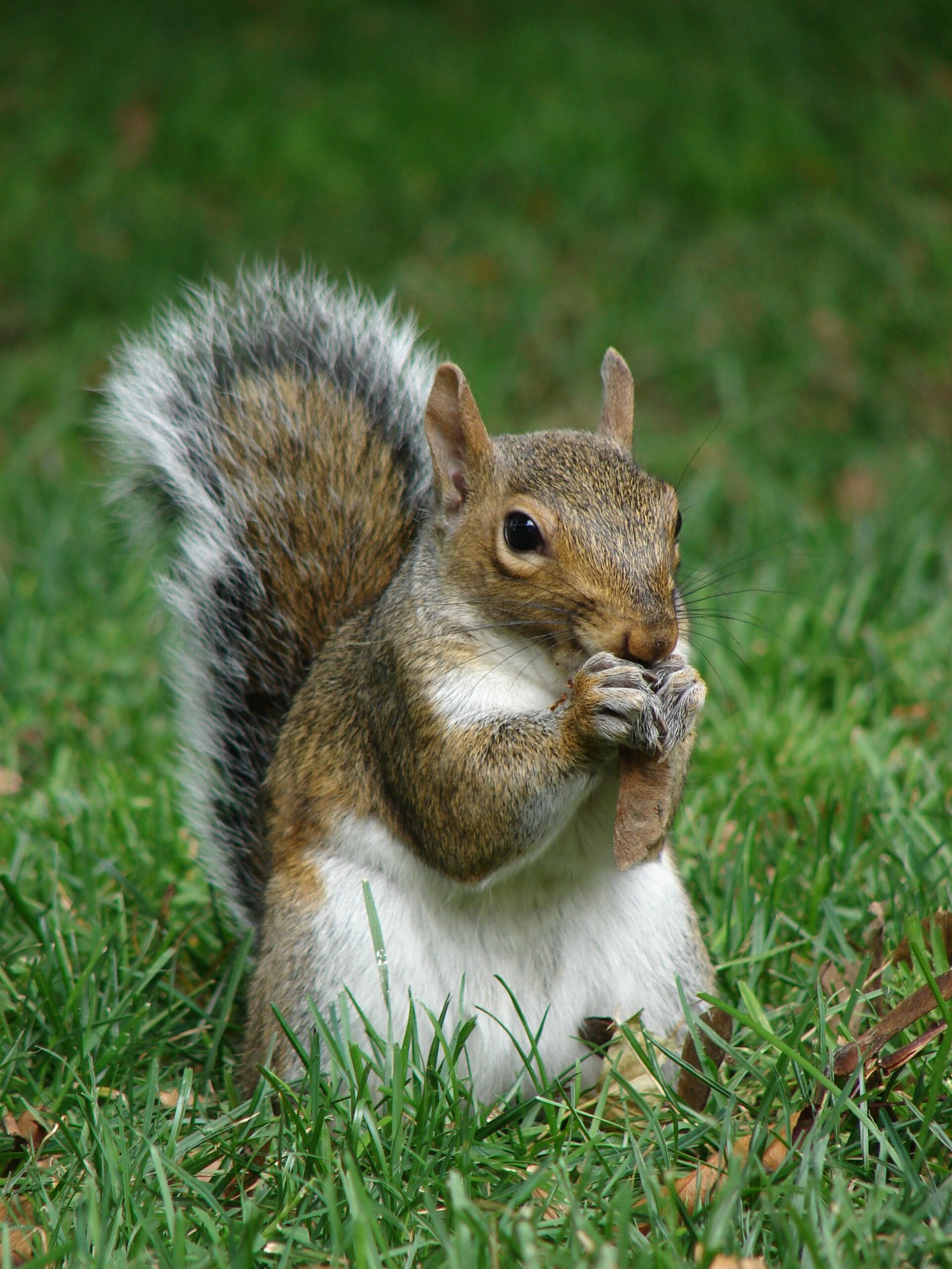
You plant tulips on a calm Saturday afternoon. The soil is loose, the bulbs sit pointy end up at just the right depth, and you picture a bright row of color in spring. On Monday morning the bed looks like someone raked it in the dark. Small holes dot the soil, a few papery skins lie on the mulch, and several bulbs are gone. Learning how to keep squirrels from digging up planted bulbs starts with that sinking moment, because the damage usually happens fast, quietly, and before you even know you have a problem.
This guide gives you a plan that actually holds up through fall and winter. You will learn why squirrels target fresh plantings, which bulbs they love and which they mostly leave alone, and the one barrier method that extension services recommend again and again. You will also get a simple planting routine you can follow this weekend, plus honest notes on sprays and scent tricks that help a little but cannot carry the job alone.
The short version is reassuring. Squirrels are not outsmarting you. They are following scent, loose soil, and a strong fall urge to store food. Change those three signals, add a physical barrier where it counts, and most of your bulbs will stay right where you planted them until spring.
How to Keep Squirrels From Digging Up Planted Bulbs Starts With Why They Dig
A squirrel does not dig at random. It investigates fresh soil because fresh soil smells like work just happened. When you dig, you loosen the ground, release soil scent, and leave small clues on the surface. Bits of papery bulb skin, a trowel mark, or a patch of soil that looks fluffier than the rest all tell a passing squirrel that something edible may be buried nearby.
Fall timing makes the problem worse. In autumn, squirrels enter a busy caching season. They bury nuts and seeds in hundreds of small spots so they have food through winter. A newly planted bed arrives at exactly the wrong moment. It offers soft digging, a strong scent trail, and food sized perfectly for a quick grab.
That is why damage often appears overnight. Squirrels are most active in the morning and late afternoon, and a bed planted on Saturday can be explored by Sunday. The first visit may be simple curiosity. Once one squirrel finds a bulb, others may follow the same scent and the same disturbed patch.

Squirrels find bulbs by scent more than by sight
Tulip and crocus bulbs carry a scent that squirrels can detect through soil, especially when the soil is loose and dry. Planting debris adds to the signal. If you drop bulb skins, broken pieces, or empty bags near the bed, you leave a scent map on the surface. Clean up matters as much as depth, and it costs nothing.
Firm soil helps because it looks and smells less like a fresh dig. When you press soil down gently with your hands and water the bed after planting, the surface settles. The bed blends in with the rest of the garden instead of standing out as a new patch. Squirrels still may test it, but they are less likely to keep digging in a spot that gives no easy reward.
Caching instinct explains the mess left behind
Sometimes a squirrel digs up a bulb and does not eat it on the spot. It may carry the bulb away, rebury it in the lawn, or drop it after one bite. That is why gardeners sometimes find a tulip blooming in the middle of the grass in spring. The squirrel was storing food, not trying to ruin your design.
Understanding this habit changes how you respond. Chasing squirrels away for one afternoon will not reset their instinct. You need a setup that stays in place for weeks, through rain and wind, while caching season runs its course. Barriers and planting choices do that work even when you are indoors.
Taste decides which bulbs get eaten first
Not every bulb tastes the same to a squirrel. Tulips and crocus bulbs are soft, starchy, and easy to find, so they sit at the top of the menu. Daffodils taste bitter and contain compounds that squirrels avoid, so they are dug up far less often. Alliums, fritillaria, and snowdrops also rank low because of strong scent or bitter taste.
This does not mean a resistant bulb is perfectly safe. A very hungry squirrel may still dig in the same bed and disturb a daffodil while hunting for a tulip nearby. The smart move is to use taste as one layer of defense, not the only layer. Mix resistant bulbs around prized tulips, and protect the tulips with mesh as well.
Which Bulbs Squirrels Target First
Think of your fall planting in two groups. The first group needs real protection. The second group gives you color with much less risk. Planning with both groups in mind saves money and disappointment, because you can spend your best protection on the bulbs that need it most.
Tulips lead the high risk group in most US gardens. Their bulbs are large, easy to scent, and rewarding to eat. Crocus bulbs are smaller but still popular, and they sit closer to the surface, which makes them easy to reach. Grape hyacinths and some lilies can also attract attention, especially in beds with loose, rich soil.
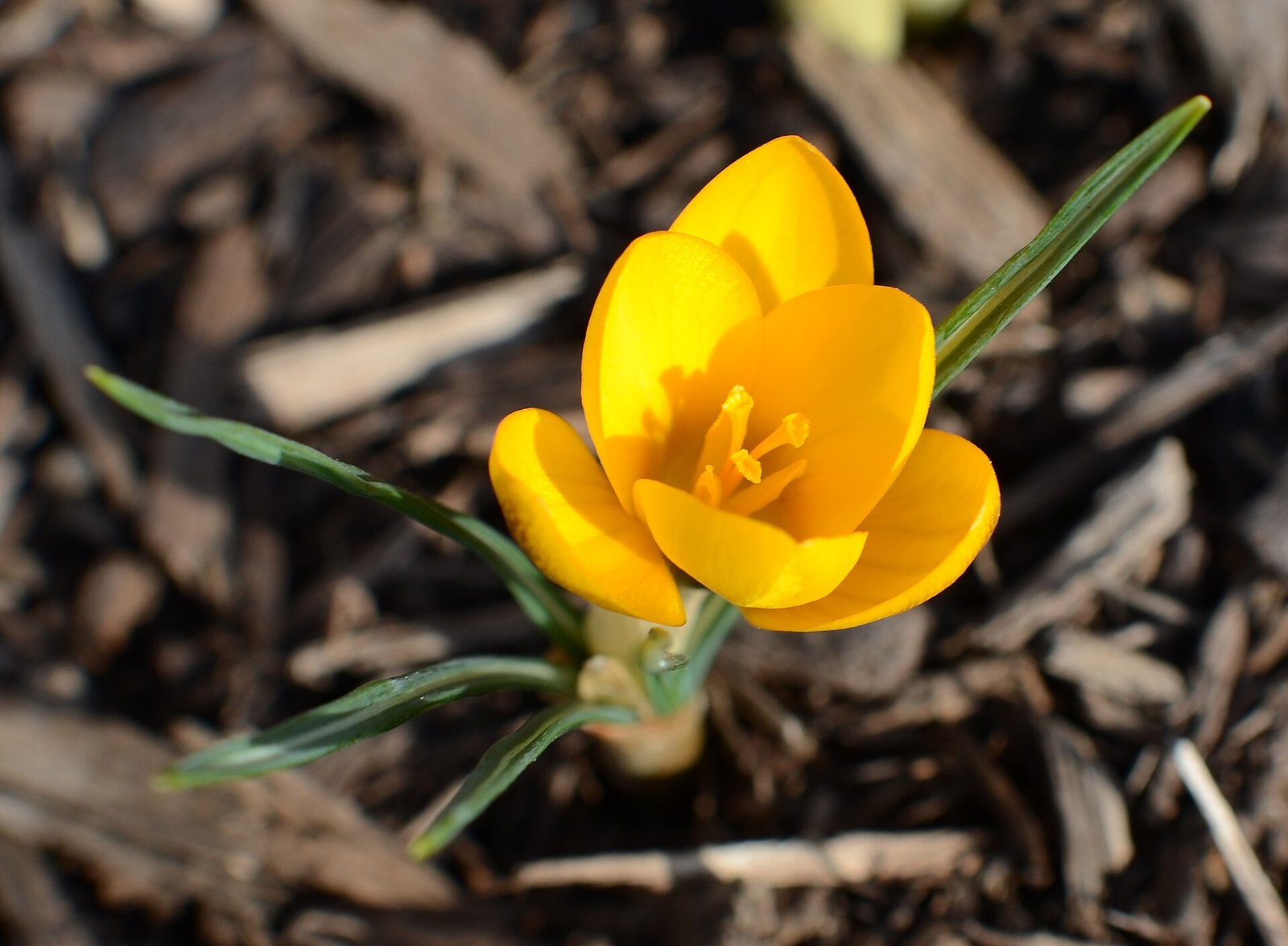
Daffodils lead the low risk group. Gardeners in many regions plant daffodils with no protection at all and still enjoy full displays. Alliums bring tall, globe shaped flowers in late spring and their onion family scent puts squirrels off. Fritillaria adds drama and a strong scent that most digging animals dislike. Hyacinths and snowdrops also tend to survive better than tulips in the same bed.
Use this contrast in your design. Plant a ring of daffodils around a tulip group, or layer daffodils above tulips in a pot. A squirrel that digs once and hits a bitter bulb often gives up on that spot. That single bad taste can protect the tulips sitting just below or just inside the ring.
A note on bulbs sold as squirrel resistant
Labels that say squirrel resistant are useful, but read them as a hint, not a promise. Resistance varies by region, squirrel pressure, and how hungry local animals are in a given fall. A bulb that survives untouched in one neighborhood may get tested in another where food is scarce.
Buy resistant bulbs for the bulk of your display if squirrels are a known problem in your yard. Save the most tempting varieties, like large hybrid tulips, for protected beds and pots where you can add mesh. That balance gives you the flowers you want without betting the whole planting on one claim on a label.
The Barrier Method That Works Best
If you take one action from this guide, make it a wire barrier. University extension services in several states give the same advice: cover the planting area with chicken wire or hardware cloth right after planting. It is simple, cheap, reusable, and it works because squirrels dig with paws, not tools. They cannot dig through metal, and most will move on to easier ground after a scratch or two.
Hardware cloth with half inch openings is the stronger choice. Chicken wire also works, but its openings are wider and the wire is floppier, so a determined squirrel may reach through or push it aside. Hardware cloth holds its shape under mulch, lasts for several seasons, and still lets rain through and shoots through in spring.
Lay the mesh flat over the bed immediately after planting. Cut it to fit the bed, fold the edges down slightly if you can, and pin it with landscape staples, bricks, or heavy stones. Cover it with a thin layer of mulch so the bed looks natural. The mesh does not need to be pretty. It needs to stay put through wind, rain, and curious paws.
Remove the flat mesh in early spring when shoots are a few inches tall. By then squirrels have lost interest in the bulbs themselves, and the shoots can grow freely. Mark your calendar when you plant so you do not forget this step. Leaving mesh in place too long can trap or bend emerging stems.
How to make bulb cages for prized bulbs
Bulb cages protect single bulbs or small groups in mixed borders where covering a whole bed is not practical. Cut hardware cloth into a box shape, fold the sides up, and close the top with mesh that has openings wide enough for shoots. Place the bulbs inside at the right depth, set the cage in the hole, and cover it with soil.
Cages take more time than a flat sheet, so reserve them for rare, expensive, or gifted bulbs. They also help against voles, which tunnel from below, because a full cage protects the bottom as well as the top. For a prized tulip that you cannot replace easily, a cage is worth the extra fifteen minutes.
Ready made bulb baskets sold at garden centers do the same job. Check the mesh size before you buy. Openings should be small enough to block paws but large enough for roots and shoots to pass through. A basket that is too tight can trap roots and limit growth.
Protecting pots with mesh covers
Pots are easy targets because the soil is loose, the bulbs sit close to the surface, and the whole container smells like fresh planting. Wrap the pot with mesh or lay a mesh lid over the top and secure it with twine or a heavy stone. You can also bend hardware cloth into a dome that sits over the pot and lifts off in spring.
Move vulnerable pots closer to the house or onto a patio for the first few weeks if you can. Squirrels still visit patios, but a pot in a busy spot gets checked less boldly than a pot tucked in a quiet corner. Combine placement with mesh for the best result, and do not rely on placement alone.
Plant Deeper, Firmer, and a Little Later
Depth is the second part of how to keep squirrels from digging up planted bulbs. A bulb planted at the right depth is harder to scent, harder to reach, and better rooted for spring growth. The general rule is to plant a bulb two to three times as deep as the bulb is tall. That rule keeps most bulbs safe while still letting shoots reach the surface in spring.
For tulips, daffodils, and hyacinths, aim for 6 to 8 inches deep in most soils. For smaller bulbs like crocus and grape hyacinths, 3 to 4 inches is usually right. Check the package for your variety, because large bulbs and small bulbs have different needs. Planting too deep can weaken growth, so stay inside the recommended range for each type.
Space bulbs 4 to 6 inches apart for tulips and similar sizes, and a little closer for small bulbs. Group plantings look better than single bulbs spaced far apart, and a group under one sheet of mesh is easier to protect than bulbs scattered across a whole border. Plant in clusters of five or more for a bold spring display.
After planting, firm the soil with your hands and water the bed well. Watering settles the soil, removes air pockets, and washes away some of the surface scent. It also helps roots start growing before cold weather arrives. Avoid leaving loose piles of soil or visible digging marks, because those marks invite investigation.
Clean up every scrap before you go inside. Pick up bulb skins, broken bulb pieces, empty bags, and labels. Sweep soil off paths near the bed. If you used gloves, shake them out away from the planting area. A tidy bed after planting is not just good gardening. It is part of squirrel defense.
Why later planting can help
Squirrel caching peaks in early fall, when days shorten and temperatures drop. If you wait until late October or early November in many parts of the US, you plant after the busiest caching rush. Tulips can still root well when planted late, as long as the ground is not frozen and soil temperatures sit near 50 to 60 degrees Fahrenheit.
Late planting is not a cure on its own. Squirrels stay active well into November in mild climates, and a late bed with no barrier can still be found. Use timing as a bonus layer. Plant later, plant deep, clean up, and cover with mesh, and you stack four small advantages into one strong result.
Check your local frost dates before you delay too far. In cold northern zones, the window closes sooner, and bulbs need time to root before the ground freezes hard. In warm southern zones, many classic spring bulbs need chilling or are grown as one season plants, so follow local extension advice for your area.
Scent Covers and Sprays: What Helps and What Disappoints
Gardeners love a simple spray or sprinkle that keeps squirrels away. Scent methods can help, but they work best as a supporting layer, not as the main plan. Rain washes them away, wind thins them out, and a hungry squirrel may push past a smell that bothers it only a little.
Strong smelling covers work by masking bulb scent or making the top layer of soil unpleasant to dig in. Options that many gardeners try include cayenne pepper, black pepper, garlic powder, coffee grounds, and peppermint oil. Sprinkle lightly on the surface or mix a small amount into the top dressing, and keep powders contained so they do not blow onto paths or irritate pets and children.
Top dressings of sharp grit or slate chippings help in a different way. A 1 to 2 inch layer of grit makes digging harder and masks scent at the same time. It looks tidy, lets rain through, and stays in place better than loose powder. For pots, grit is one of the easiest upgrades you can make.
Commercial repellents based on capsaicin or predator scent can add another layer. Follow label directions exactly, and reapply after heavy rain. Do not mix products unless the label says you can, and do not spray repellent directly on bulbs unless the product is made for that use. More product is not better. A heavy dose can harm soil life or nearby plants.
What disappoints most gardeners is relying on scent alone. A single sprinkle of chili powder in September will not protect bulbs through a wet October. If you use scent methods, pair them with mesh, depth, and cleanup. Check the bed after storms and refresh the top layer when rain has washed it flat.
Safety notes for pets, children, and wildlife
Keep scent products away from pet food bowls, bird feeders, and play areas. Capsaicin powders can irritate eyes and skin, so wear gloves and wash your hands after handling them. Store products where children cannot reach them, and never scatter loose powder where a dog might sniff or lick it up.
Do not use mothballs in the garden. They are not made for outdoor pest control, they can harm soil, water, pets, and wildlife, and their use outdoors is restricted in many places. Do not use poison baits for squirrels. Poison risks pets, birds, and other wildlife, and it does not teach the next squirrel to leave your bulbs alone.
If you use peppermint oil, dilute it as directed and apply it to cotton balls or cloth placed near the bed, rather than pouring oil straight onto soil. Strong oils can harm young plants if used at full strength. A light, refreshed scent near the surface is enough to add to your other defenses.
Pots, Small Beds, and Balconies Need a Different Plan
Small spaces concentrate scent and make digging easy. A pot on a balcony or a small raised bed near a fence can lose every bulb in one night if it is left uncovered. The fix is the same set of ideas, scaled down and checked more often.
For pots, use the mesh lid method described above, add a grit top dressing, and plant bulbs a little deeper within the safe range for the variety. Water once after planting, then let the soil settle. Check pots after wind and rain, because a mesh lid that slips to one side leaves an open invitation on the other side.
For raised beds, a flat mesh sheet works just as well as it does in the ground. Pin the edges well, because raised bed soil is loose and squirrels can dig in from the side as well as the top. A mesh sheet that covers the top and folds over the edge by a few inches blocks both routes.
Balconies are not squirrel free. Squirrels climb, jump from nearby trees, and walk along rails with ease. If a balcony pot keeps getting dug up, move it away from railings and overhanging branches if you can, and keep the mesh lid on until shoots appear. A pot against a wall, away from launch points, is harder to reach than a pot right beside a tree branch.
Mistakes That Invite More Digging
Some well meant fixes make the problem worse. The most common is diversion feeding. Putting out nuts or corn far from the bed sounds kind, but it can attract more squirrels to your yard and teach them that your garden is a reliable food stop. If you feed birds, use feeders that limit squirrel access and clean up spilled seed, because spilled seed draws the same visitors to your beds.
Another mistake is leaving the bed looking freshly dug for days. If you plant in stages, cover each section as you finish it instead of leaving the whole bed open until the weekend is over. A bed that sits open and scented for three days is an open invitation. Cover as you go, even if the cover is temporary.
Plastic netting is a poor substitute for wire mesh. Squirrels can chew through soft netting, and birds and other wildlife can get tangled in it. Use rigid wire mesh instead, and remove it promptly in spring. If you already have netting in the garden, check it daily and replace it with mesh for bulb beds.
Trapping and moving squirrels is rarely a good answer. In many states, moving wildlife without a permit is restricted, and a moved squirrel often does not survive in a new area. Removing one squirrel also leaves an empty territory that another squirrel will claim quickly. Focus on the bed, not on the animal, and the result lasts longer.
Other garden pests can add to the confusion. Mice and voles also dig in soft soil, and a bed that attracts one pest may attract another. Keeping the area tidy, storing seed and bulbs indoors, and fixing gaps around sheds all help. Our guide to mice in a garden shed covers storage habits that reduce pest pressure around the whole garden, not just inside a shed.
A Simple Fall Planting Routine That Protects Bulbs
Use this routine on planting day and you will cover every layer in one pass. It takes a little longer than planting alone, but it saves the cost and frustration of replanting in spring.
Start by choosing your bulbs with squirrels in mind. Put daffodils, alliums, and fritillaria in the most exposed spots. Put tulips and crocus where you can cover them easily with one mesh sheet. Buy firm, healthy bulbs with no soft spots or mold, because weak bulbs rot more easily and give squirrels an easier target.
Prepare the bed before the bulbs come out of the bag. Loosen the soil, add compost if needed, and set out your mesh, staples, mulch, and grit so everything is within reach. Sharp, clean garden tools make digging faster and cleaner, and a clean trowel leaves less scent and debris than a rusty one caked with old soil.
- Dig each hole to the right depth for the variety, and set bulbs pointy end up with the flat base down.
- Space bulbs in groups, cover them with soil, and firm the surface gently with your hands.
- Water the bed well so the soil settles and surface scent washes down.
- Clean up all bulb skins, bags, and loose soil from the bed and nearby paths.
- Lay hardware cloth flat over the bed, pin the edges, and cover it with a thin mulch layer.
- Add grit or a light scent cover on top if you use one, and note the date to remove mesh in spring.
- Check the bed after the first rain and after windy days, and reset any mesh that has shifted.
Keep a simple note of what you planted and where. A phone photo of the bed with mesh in place, plus a list of varieties, helps you in spring when you remove the mesh and want to know what should emerge where. It also helps you judge next fall which varieties survived best in your yard.
What Success Looks Like in Spring
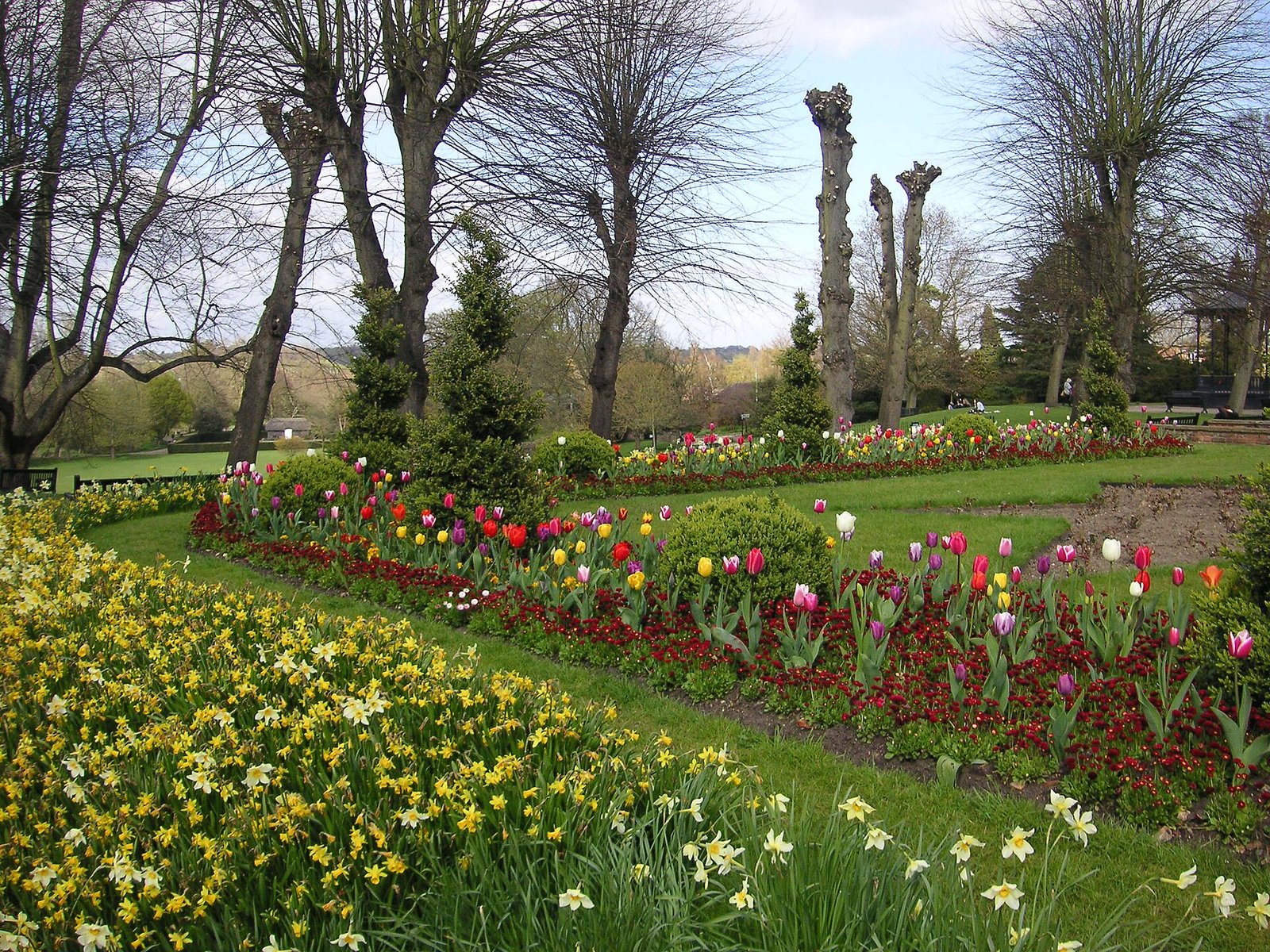
Success is not a yard with no squirrels. Squirrels will still visit, dig in the lawn, and bury nuts in mulch. Success is a bulb bed that stays intact while all of that goes on around it. In spring, shoots emerge in the groups you planted, colors appear where you planned them, and only a bulb or two goes missing at the edges.
Give the bed a check in late winter. Look for mesh that has sunk, mulch that has thinned, and signs of digging at the edges. Remove flat mesh when shoots reach a few inches tall and the risk period has passed. Leave bulb cages in place, because they sit below ground and do not block growth.
If a few bulbs still disappear, treat it as data, not defeat. Note which varieties vanished, whether the mesh shifted, and whether rain washed away your scent cover. Adjust one layer next fall. Add a cage for the variety that vanished, plant it deeper within its safe range, or move it to a pot with a mesh lid. Small changes year to year build a planting plan that fits your yard.
Conclusion: Keep the Barrier, Lose the Worry
Learning how to keep squirrels from digging up planted bulbs comes down to three habits that work together. Plant with scent and depth in mind, choose bulbs that squirrels like least for exposed spots, and cover prized plantings with wire mesh from day one. Scent tricks and late planting help, but they cannot replace a barrier that stays in place through the whole caching season.
Start this fall with one protected bed and see the difference in spring. Plant tulips deep, firm the soil, clean up every scrap, and lay mesh before you go inside. When shoots push through the mesh openings and color returns to the garden, you will know the extra fifteen minutes in autumn was worth it. Your spring display depends less on luck and more on a plan you can repeat every year.
Frequently Asked Questions
Do squirrels eat bulbs or just move them?
Both happen. Squirrels eat tulip and crocus bulbs on the spot when they find them, and they also carry bulbs away to rebury them elsewhere. That is why a missing bulb may turn up blooming in the lawn in spring. Eating and caching both remove bulbs from your bed, so the same barrier plan stops both problems.
Will chicken wire hurt emerging shoots in spring?
No, if you remove flat mesh at the right time. Shoots grow through the openings in hardware cloth and chicken wire without harm in most cases. Remove the sheet when shoots are a few inches tall, before stems grow tall and tangle. Bulb cages buried below ground can stay in place because shoots pass through their top mesh.
Does cayenne pepper really stop squirrels from digging up bulbs?
Cayenne pepper can help as a short term scent and taste deterrent, but it is not reliable alone. Rain washes it away quickly, and hungry squirrels may dig past it. Use it as an extra layer over a wire barrier, and reapply after rain. Do not rely on pepper as your only defense for prized tulips.
When should I remove wire mesh in spring?
Remove flat mesh when shoots are a few inches tall and the main bulb eating risk has passed. In most regions that means early to mid spring, depending on weather and variety. Check the bed weekly once shoots appear. If you leave mesh too long, stems can bend or tangle, so set a reminder when you plant.
Can I plant bulbs in pots and keep squirrels away?
Yes, with a mesh lid, grit top dressing, and good placement. Lay hardware cloth over the pot right after planting and secure it so it cannot slip. Keep the lid on until shoots appear, and move the pot away from tree branches and rails if you can. Pots need the same barrier habit as beds, just on a smaller scale.
