

A peace lily that was standing tall yesterday and is flopped over the rim of its pot today looks like a plant emergency. In most cases it is not. A drooping peace lily is usually a plant that is either thirsty or drowning, and both problems show up as exactly the same sad slump. The good news is that you can sort out which one you are dealing with in about two minutes, and you can learn how to revive a drooping peace lily without repotting in most cases. This guide walks you through the simple pot reading that tells you what to do next, the soak and drain routine that brings a thirsty plant back the same day, and the slower rescue for a plant that has been overwatered.
The story here is a familiar one. You water on a schedule, or you forget for a week, and the plant responds by collapsing. The mistake most people make is reaching for the watering can before checking the soil, or rushing to repot a stressed plant that never needed a new pot at all. Repotting adds root disturbance on top of whatever is already wrong, and a struggling plant has no spare energy for that. Read the pot first, fix the water problem, and let the plant recover where it already lives.
First Read the Pot Before You Water Anything
Push your finger about two inches into the potting mix. At the same time, lift the pot and notice how heavy it feels. These two readings together tell you more than the look of the leaves ever will, because a droop caused by dry soil and a droop caused by soggy soil look identical from across the room.
If the top two inches feel dry and the pot feels light, your plant is thirsty. The leaves have lost internal water pressure, which is what normally holds them flat and upright. A thorough drink will usually restore that pressure within hours. If the mix feels wet and the pot feels heavy, stop. More water will push the last of the air out of the root zone and make the problem worse, not better.
Also tip out the saucer and look at it. Standing water in a saucer is one of the most common causes of a drooping peace lily, because the roots sit in water long after you have finished watering. Empty saucers are not a small detail. They are part of the watering routine itself.

The Two Causes That Look Exactly the Same
Peace lilies are dramatic plants. They wilt fast when they dry out, which is actually a useful alarm, because it tells you to water before real damage happens. A thirsty plant usually has dry mix, a light pot, and leaves that still feel soft and flexible. Give it a good soak and it often stands back up by evening.
An overwatered plant is a different story. The mix stays wet, the pot stays heavy, and the leaves may feel soft too, but the roots cannot take up water because they are short of air. In that case the plant droops even though there is plenty of water around it. This is why watering a drooping plant on autopilot sometimes makes it worse. You have to know which droop you are looking at.
There are two other clues worth checking. Yellow leaves that droop alongside green ones often point to too much water over time. Brown, crispy leaf tips usually point to low humidity, salts in tap water, or too much direct sun rather than to the droop itself. Fix the water problem first and deal with the tips second, because the tips will not recover even when the plant does.
How to Revive a Drooping Peace Lily Without Repotting When It Is Thirsty
When the pot reads dry and light, take the plant to a sink or a bathtub. Water slowly and evenly over the whole surface of the mix until water runs freely from the drainage holes. Wait a few minutes, then water once more so the mix is evenly moist all the way through. Dry potting mix can resist water at first, so a second pass matters more than people expect.
Let the pot drain completely, then tip out the saucer and put the plant back in its usual spot. Do not leave it standing in the drained water. Check again that evening. Most thirsty peace lilies lift noticeably within a few hours and look normal by the next morning. If the leaves are still down the next morning after a proper soak, the problem is in the root zone, not in the watering can, and you should move to the rescue steps below.
One more point: do not feed a drooping plant. Fertilizer on stressed roots can burn them and slow recovery. Wait until the plant has stood back up and is putting out new growth, then feed at half strength during the growing season if you feed at all.
Rescuing a Plant That Has Been Overwatered
When the pot reads wet and heavy, the rescue is slower and mostly about air. Stop watering completely. Tip out the saucer, move the plant to a spot with bright indirect light and good air movement, and let the mix dry out until the top two inches feel dry again. This can take several days, and patience here is the whole treatment.
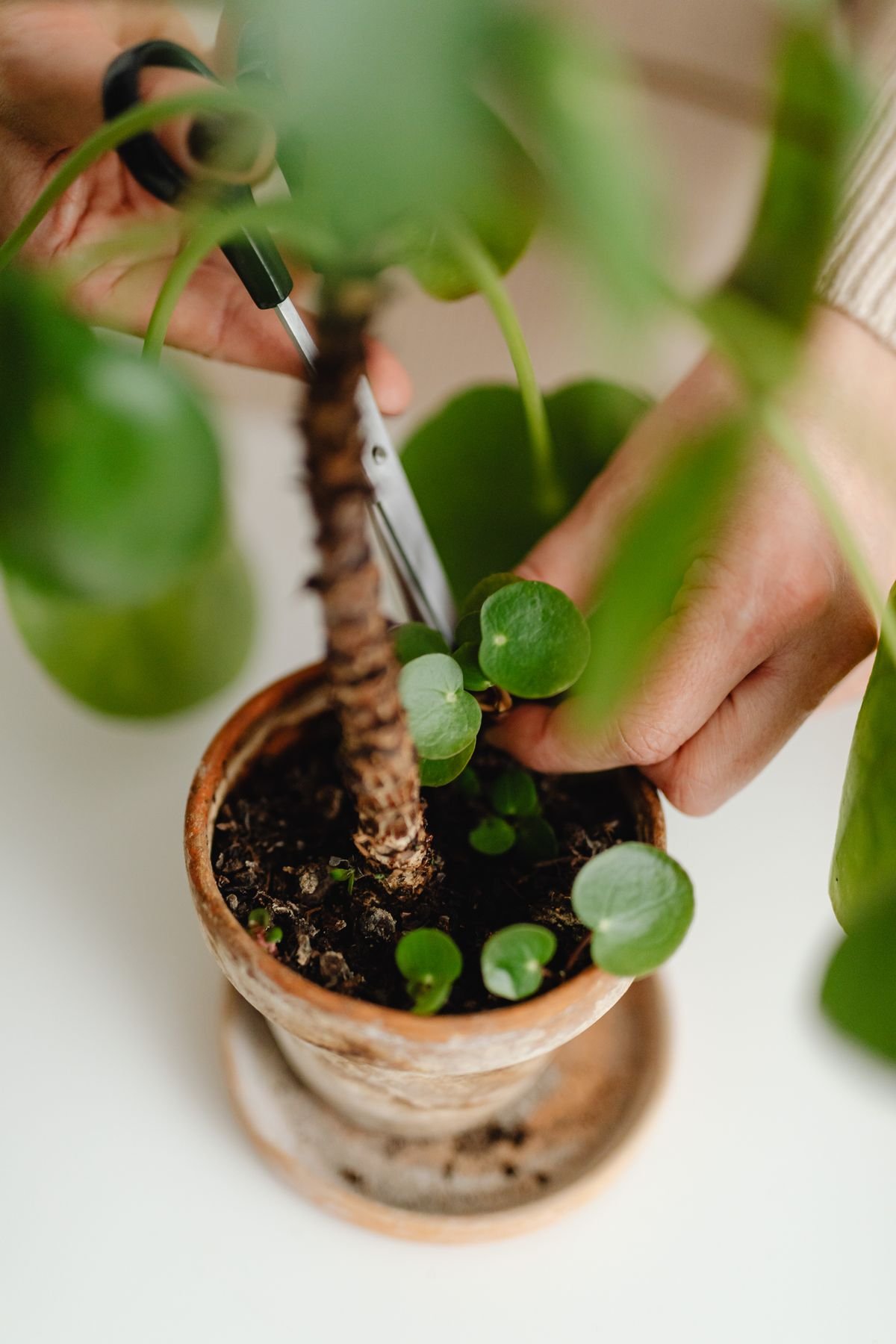
If the plant does not improve after the mix has dried, or if it smells sour when you lift it, slide the plant gently out of its pot and look at the roots. Healthy roots are firm and pale. Roots that are brown, soft, and mushy are rotted and will not recover. Trim the rotted parts back to firm healthy tissue with clean scissors, remove any mix that smells sour, and return the plant to the same pot with fresh mix filling only the gaps. This is not repotting into a bigger pot. It is a repair in the same home, and it keeps the shock as small as possible.
After a root trim, water lightly, just enough to settle the mix, and then wait again. Recovery from root damage takes weeks, not hours. New growth from the center of the plant is the sign that the rescue worked, even if some older leaves never fully recover.
Light, Humidity, and Heat Fixes That Support Recovery
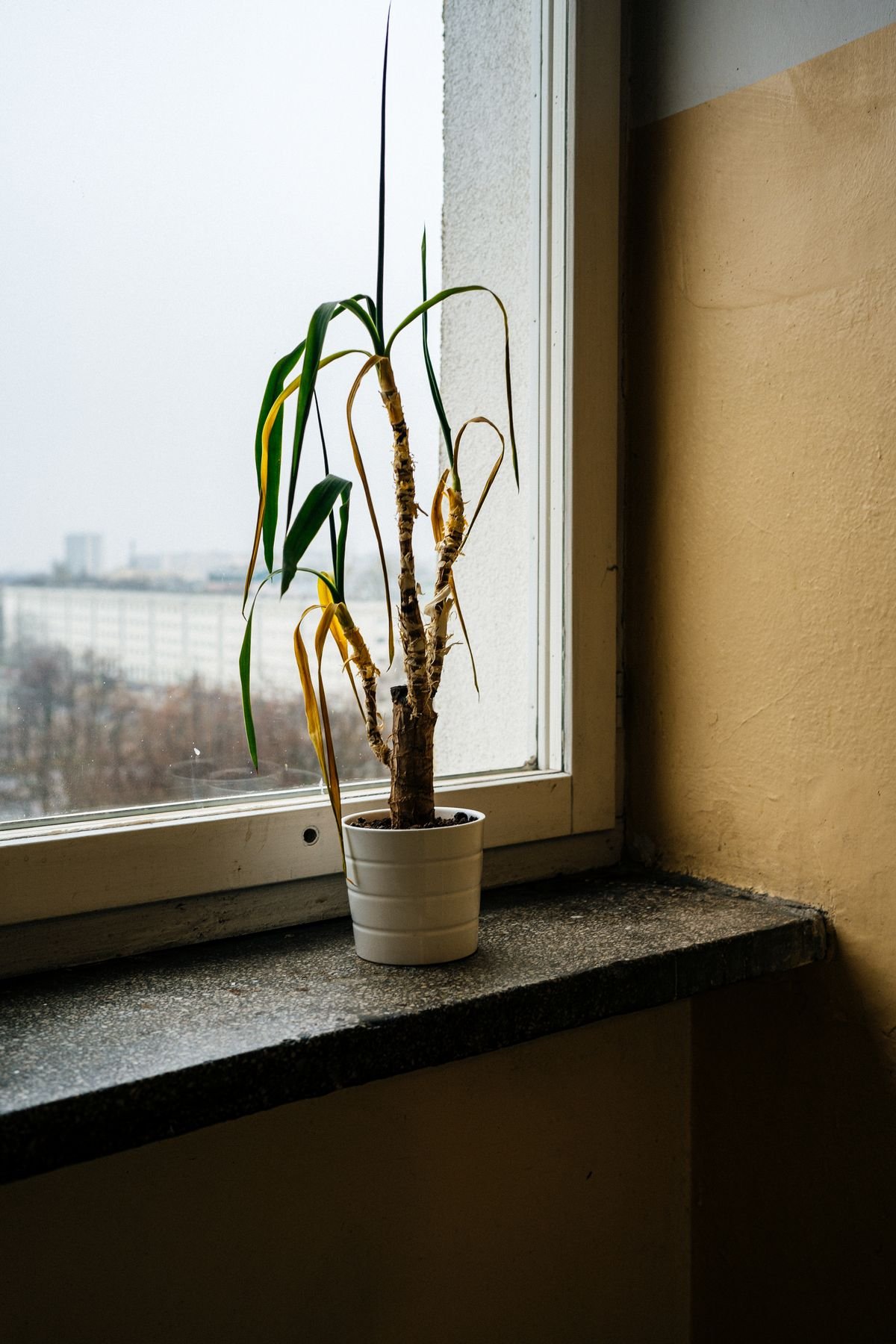
A recovering peace lily wants bright indirect light. A spot near a north or east facing window is ideal in most homes. Direct sun scorches the leaves and dries the mix too fast, while a dark corner starves the plant of the energy it needs to regrow. If your only window gets harsh afternoon sun, move the plant back a few feet or hang a sheer curtain between the plant and the glass.
Peace lilies also like humidity. Dry indoor air, especially in winter when heating runs all day, causes brown leaf tips and slows recovery. A pebble tray with water under the pot, grouping plants together, or running a small humidifier nearby all help. Misting gives a brief lift but does not change the air for long, so treat it as a bonus, not as the main fix.
Keep the plant away from heat vents, radiators, and cold drafts from doors and windows. Peace lilies are tropical plants and they sulk when temperatures swing. A steady room temperature between about 65 and 80 degrees Fahrenheit suits them well, and anything close to freezing can damage leaves fast.
What to Trim and What to Leave Alone
Once the plant has started to lift, you can tidy it up. Cut off leaves that are fully yellow or brown at the base of their stems with clean scissors. These leaves will not green up again, and removing them lets the plant put energy into new growth instead. Leaves that are only drooping but still green should stay. They often recover fully and they are still feeding the plant.
Do not cut the whole plant back in a panic. A peace lily that has lost its leaves to a hard prune has to regrow from stored energy, and a stressed plant has little of that to spare. Light tidying is enough. Let the plant show you what it is keeping by standing back up, and remove only what is clearly finished.
The same restraint applies to the pot. If the plant is not rootbound, with roots circling tightly around the outside of the root ball, it does not need a bigger pot. Most drooping peace lilies are not rootbound at all. They are just wet or dry, and a new pot fixes neither problem.
The Two Week Recovery Check
Recovery has a simple timeline. A thirsty plant should lift within a day. A plant recovering from overwatering should stop getting worse within a few days and show new growth from the center within two to three weeks. Mark the date you treated it and check in once a week rather than hovering daily, because daily fussing usually leads to extra watering, which is how many plants got into trouble in the first place.
Going forward, water by reading the pot, not by the calendar. Check the top two inches of mix every few days and water only when they feel dry. Water thoroughly until it drains, empty the saucer, and then leave the plant alone until the next check. This one habit prevents most repeat droops. It is also the habit that makes a peace lily one of the easiest houseplants to keep, once you stop guessing.
For a broader look at reading houseplant signals, see our guide on why a snake plant leans to one side, which covers the same read first approach for another popular indoor plant. And if your plant corner includes herbs, our guide on keeping herbs alive on a windowsill in winter without a grow light covers light and humidity tricks that help peace lilies too.
Mistakes That Make a Droop Worse
The most common mistake is watering before checking. The second is repotting a stressed plant into a bigger pot with fresh mix, which disturbs roots that are already struggling. The third is feeding, which burns stressed roots. The fourth is moving the plant from spot to spot looking for a magic location, which adds light shock to water stress. Pick one good spot with bright indirect light, fix the water, and give the plant a quiet week.
Another mistake is using ice cubes or tiny sips of water. A peace lily in a standard pot needs a thorough drink that reaches the whole root ball, not a surface sprinkle. Small sips keep the top damp while the lower roots stay dry, and the plant keeps drooping even though you watered. Water deeply, drain fully, and then wait.
Conclusion
To learn how to revive a drooping peace lily without repotting, read the pot before you do anything else. A dry, light pot calls for a thorough soak and a drained saucer, and most plants lift the same day. A wet, heavy pot calls for a pause, air, and patience, with a gentle root trim only if rot is clearly present. Keep the plant in bright indirect light, give it steady warmth and reasonable humidity, and do not feed or repot until it is growing again. The takeaways are simple: check the top two inches, water deeply only when dry, always empty the saucer, and let new growth from the center tell you the rescue worked.
Frequently Asked Questions
How fast will a drooping peace lily recover?
A thirsty plant usually lifts within a few hours of a thorough soak and looks normal by the next morning. A plant recovering from overwatering or root damage takes two to three weeks to show new growth.
Should I repot a drooping peace lily?
Usually not. Drooping is almost always a water problem, not a pot problem. Repot only when the plant is clearly rootbound or when rotted mix must be replaced, and even then keep the same pot size if you can.
Why is my peace lily drooping even though the soil is wet?
Wet mix can still mean thirsty roots, because waterlogged mix has little air and roots cannot take up water without it. Stop watering, let the top two inches dry, and check the roots if the plant does not improve.
Can yellow leaves on a drooping peace lily recover?
Fully yellow leaves will not green up again and are best trimmed at the base. Green leaves that are only drooping often recover fully once watering is corrected.
How often should I water a peace lily?
Water when the top two inches of mix feel dry, which is often about once a week in an average home but varies with pot size, light, and season. Always water thoroughly until it drains and empty the saucer.
