

You spend Saturday afternoon planting out seedlings, watering them in, and stepping back to admire a tidy bed. On Sunday morning the bed looks like a small bomb has gone off. Soil is scattered across the path, three seedlings lie on their sides, and a neat hole sits exactly where your best plant was. A cat has been digging in your garden bed again, and it will come back tonight unless something changes.
The frustration is real, and so is the fix. The trick is to stop thinking of this as a battle with a cat and start thinking of it as a design problem. To a cat, your freshly dug bed is the best litter tray in the neighbourhood: soft, loose, dry, and private. Your job is to make it the least attractive patch of soil in the garden, without harming the cat. This guide shows you how to stop cats digging in garden beds, with seven humane methods that work, honest costs in pounds, and a 7 day plan you can start today.
Why Cats Dig in Garden Beds
Cats dig for simple reasons, and knowing them makes every method below work better. First, loose soil is easy to dig and easy to cover afterwards, which is exactly what a cat wants from a toilet. Freshly turned soil is the most attractive surface in the garden, which is why the damage usually appears the day after you plant or weed. Second, cats dig to bury scent and to hunt. A bed full of seedlings is also full of worms and insects, and a cat will happily dig for those too. Third, a warm sunny bed is a comfortable place to lie, and a cat that naps there will dig a shallow hollow first.

It is worth knowing whose cat is doing the digging, because the answer changes the approach. Your own cat can be trained and given alternatives. A neighbours cat needs a garden level fix plus a polite word with the owner. A stray needs the garden made unwelcoming, since there is no owner to talk to. In all three cases the methods below work, but the neighbours cat section later in this guide covers the extra steps for that situation.
One more thing before the methods: no single trick solves this on its own. Every gardener who has beaten this problem will tell you the same thing. Two methods together work far better than one method alone, because they attack the problem from two directions at once. A physical barrier stops the digging, and a scent deterrent stops the cat choosing the bed in the first place. Pick at least two methods from the list and run them together for a week.
7 Humane Methods to Stop Cats Digging in Garden Beds
These methods are ranked from most reliable to least reliable, based on what gardeners report and what animal charities recommend. Start at the top. The first two methods alone solve the problem for most gardens.
1. Cover bare soil with texture
Cats choose loose soil because it feels good under their paws. Change the texture and the bed loses its appeal. Cover every patch of bare soil with something uncomfortable to walk on: rounded pebbles, pine cones, coarse bark chip, prickly holly leaves, or crushed eggshells. The aim is not to hurt the cat. It is to remove the soft open surface that makes the bed attractive in the first place.
This is the cheapest method on the list. A bag of decorative pebbles costs around £5 to £8 at a garden centre, and pine cones are free if you collect them. It also helps your soil, since mulch keeps moisture in and weeds down. The weakness is that determined cats will find the gaps, so cover the soil fully and top it up after rain. Keep your garden tools in good shape while you are at it, since you will be out in the beds more often while you set all this up.
2. Lay chicken wire or mesh over the bed
Chicken wire laid flat on the soil is the single most reliable method, and it is the one the RSPCA and most garden writers recommend first. Cut the wire to the size of the bed, lay it flat, and pin it down with tent pegs or stones. Plants grow straight through the holes. Cats cannot dig through it, and most will not even try once they feel it under their paws.
A roll of chicken wire costs around £8 to £15 and covers several beds. For seed beds, fine black bird netting held about 5 cm above the soil on small hoops works the same way and looks tidier. The only real downside is the look of it, and that fades once plants fill in. If you grow vegetables, this method has a bonus: the same mesh keeps birds off seedlings too.

3. Use citrus peels and coffee grounds
Cats dislike the smell of citrus, and most dislike the smell of coffee grounds too. Scatter fresh lemon, orange, or grapefruit peel around the edges of the bed and on the soil surface. Used coffee grounds work the same way, and they feed the soil as they break down. Both are free if you already buy citrus fruit and drink coffee.
Be honest about the limits here. Scent fades fast, especially after rain, so you need to refresh the peels every two or three days. Some cats simply do not care. Treat citrus as a supporting method, never the only method. It works best alongside the wire or the pebble cover, where it adds one more reason for the cat to choose somewhere else. Do not use essential oils on the soil: concentrated oils can be harmful to cats and to soil life, and they are far stronger than a few peels.
4. Plant things cats dislike
Some plants put cats off by smell alone. Coleus canina, sold as the scaredy cat plant, is the most effective of these, and gardeners plant it at 60 cm intervals around beds. Lavender, rosemary, and rue also help, and they are useful plants in their own right. Dense low ground cover works too: if there is no bare soil to dig in, the appeal fades fast.
Planting deterrents take a season to fill in, so treat this as a long term investment rather than a quick fix. One warning: do not confuse Coleus canina with catmint. Catmint attracts cats and will make the problem worse. Check the label in the garden centre before you buy, and ask a member of staff if you are unsure.
5. Give cats a patch of their own
This sounds strange, but it is one of the most effective ideas in the whole guide. Cats dig because they need somewhere to dig. Give them a better place and many will use it. Set aside a small patch of loose sandy soil in a quiet sunny corner, away from your beds. Keep it clean and dry. Cats are creatures of habit, and once one cat starts using the patch, others often follow.
This works best for your own cat, and it pairs well with the methods above. Your beds become hard and smelly, while the patch stays soft and easy. You are not rewarding bad behaviour. You are redirecting a natural behaviour to a place where it does no harm. Cats scratch and dig for the same reason they scratch furniture indoors: it is instinct, not spite, and it is far easier to redirect than to stop.
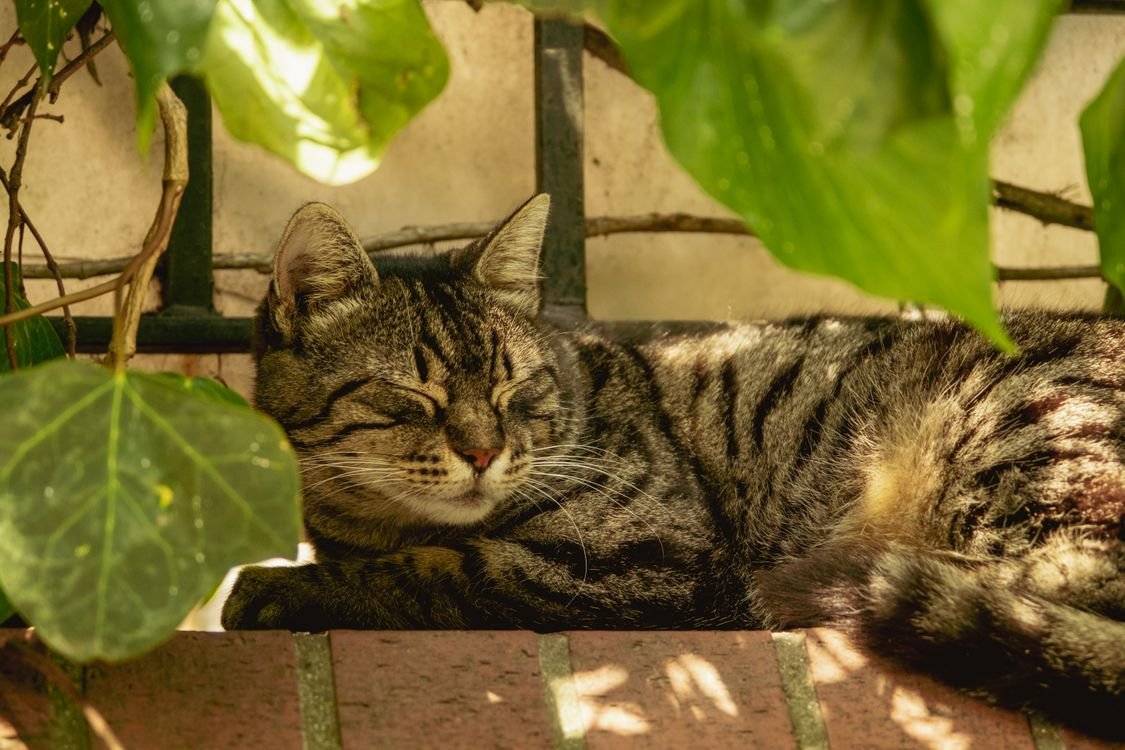
6. Block the route into the garden
If the same cat always enters by the same gap, blocking the route can end the problem in a day. Patch holes in fences, add a trellis to a low wall, and fit cat rollers or outward sloping netting along the top of a fence. Prickly shrubs planted along the boundary help too: a cat that has to push through a thorny berberis will usually pick an easier garden.
Fencing is the most expensive option here, and it only makes sense if one entry point is clearly the problem. A full cat proof fence around a garden costs hundreds of pounds, so start with the cheap fixes: patch the gap, add a roller to the top of the fence, and plant something prickly in the gap. Check first whether the fence is yours to alter, especially if it is shared with a neighbour.
7. Use a motion activated sprinkler
A motion activated sprinkler fires a short burst of water when a cat walks past, and cats learn the lesson after one or two soakings. It is humane, it waters the garden, and it works at night when you cannot watch the beds. A basic model costs around £25 to £40, plus a hose connection and a battery.
The downsides are real: it will also soak you, the postman, and any hedgehog that wanders past, so aim it carefully and turn it off when you are working in the garden. It also needs a tap and a hose, so it suits larger gardens better than small ones. Use it as a short term teacher for a stubborn cat, not as a permanent fixture.
What About the Neighbours Cat
A neighbours cat is the most common version of this problem, and it needs a slightly different approach. Start with the garden fixes above, since they work whoever owns the cat. Then have a polite word with the owner. Most owners have no idea their cat is digging up your beds, and most will help once they know. Suggest they give their cat a litter tray outdoors or a digging patch of their own.
Keep the conversation friendly and specific. Say which bed is affected and when it happens. Offer to show them the damage. Do not threaten, and do not trap the cat: trapping a neighbours pet is likely to make the relationship worse and can be illegal depending on what you do with the animal. If the owner will not help, your best move is to make your garden the hardest target on the street. The cat will go to an easier garden, which is not your problem to solve.
What Not to Use
Some popular advice on this topic is bad advice, and it is worth naming it clearly. Mothballs are toxic to cats, dogs, and children, and they are illegal to use outdoors in the UK. Chilli powder and pepper flakes can burn a cats eyes and nose, and they wash into the soil where they harm worms and insects. Bleach and strong disinfectants are dangerous to cats and will kill your plants. Ultrasonic scarers are a mixed bag: they can disturb bats and other wildlife, and many cats simply get used to the sound within a week.
The same chemical free thinking applies inside the house too. If you prefer to avoid harsh products generally, the approach in our guide to getting rid of ants in the kitchen without chemicals follows the same idea: block access first, then remove the attraction, and only then reach for a deterrent.
Your 7 Day Plan: How to Stop Cats Digging in Garden Beds
Here is the plan in order. Do not skip the first two days: they do most of the work.
Days 1 and 2: cover and protect. Clear the damaged bed, replant anything that can be saved, and cover every patch of bare soil with pebbles or pine cones. Lay chicken wire flat over the beds that get hit most. Scatter citrus peels around the edges. This is the physical fix, and it works from the first night.
Days 3 and 4: add scent and alternatives. Refresh the citrus peels. Put coffee grounds around the beds. If you have your own cat, set up its digging patch in a sunny corner and show it the spot. Plant a few deterrent plants around the worst affected bed.
Days 5 to 7: watch and adjust. Check the beds each morning. If one bed is still being dug, find the gap in the cover and close it. If the cat has moved to a new bed, protect that one too. Talk to the neighbour if the same cat keeps coming back. By the end of the week most gardens are quiet, because the cat has found easier ground elsewhere.
Conclusion
Learning how to stop cats digging in garden beds starts with one idea: loose soil feels like a litter tray to a cat, not because it is trying to ruin your garden. The fix is to change what the bed feels and smells like, and to give the cat a better option somewhere else. Cover bare soil with texture, lay chicken wire over the beds that get hit most, and add citrus peels as a supporting scent. Combine at least two methods, keep them going for a week, and talk to the neighbour if the cat belongs to someone else. Avoid mothballs, chilli powder, and bleach: they are cruel, and they do not work any better than the humane methods. Your seedlings will thank you, and the cat will find somewhere else to dig.
Frequently Asked Questions
Why do cats dig in my garden beds? Cats dig because loose freshly turned soil is soft, easy to dig, and easy to cover afterwards, just like a litter tray. Beds also hold worms and insects, and a warm sunny bed is a comfortable place to lie.
Does chicken wire stop cats digging? Yes. Chicken wire laid flat on the soil is the most reliable method. Plants grow through the holes, cats cannot dig through it, and most cats stop trying after the first attempt.
Do citrus peels keep cats away? Citrus peels help, but they are a supporting method, not a fix on their own. The scent fades after rain, so refresh the peels every two or three days and use them alongside wire or pebbles.
How do I stop my neighbours cat digging in my garden? Start with the garden fixes, since they work whoever owns the cat. Then have a polite word with the owner and ask them to provide a litter tray or digging patch. Do not trap the cat.
Is it cruel to use a motion activated sprinkler on cats? No. A short burst of water startles the cat without harming it, and most cats learn after one or two soakings. Aim it carefully so it does not soak people, and turn it off while you work in the garden.
