

It was a Sunday afternoon in Ohio, and Maria had just come home from the grocery store with a full bag of produce for the week. Soup night was on the menu, and celery was the star of the shopping list, one big fresh bunch with bright green leaves and stalks so crisp they snapped when she bent one. She used two stalks for the soup, then tucked the rest into the crisper drawer in its plastic bag, feeling organized and ready for the week ahead.
By Wednesday the plan had fallen apart. She opened the drawer for a few sticks to pack in her son’s lunchbox and the celery bent like rubber in her hand. The leaves had wilted, the outer stalks felt soft and stringy, and the bunch she had bought with such good intentions was headed for the trash. She had thrown away half a bunch of celery for the third week in a row, and she was tired of it.
If that sounds familiar, you are not alone. Learning how to keep celery fresh in the fridge is one of those small kitchen skills that saves real money and cuts real waste. Celery is cheap per bunch, but the cost adds up when half of every bunch goes limp before you use it. The good news is that one simple method keeps celery crisp for weeks, not days, and it takes about five minutes to set up. This guide explains why celery goes limp, walks through the water jar method step by step, compares the other storage methods honestly, and gives you a short weekly routine that makes limp celery a thing of the past.
Why Celery Goes Limp So Fast in the Fridge
Celery is almost all water. A fresh stalk is about 95 percent water held inside tiny plant cells, and that water pressure is what makes celery snap instead of bend. The moment celery is cut from the plant, it starts losing water to the dry air around it. The cells slowly deflate, the stalk loses its firmness, and the crisp snap turns into a sad flop.
Your fridge makes the problem worse, not better. The cold dry air inside a refrigerator pulls moisture out of uncovered produce very quickly. The crisper drawer helps a little because it traps some humidity, but a loose bunch of celery in a thin plastic bag still loses water every day. The bag is not sealed well enough to hold humidity in, and the stalks near the top of the bunch dry out first.
Cut ends speed the process up even more. Every place the celery was cut is an open wound where water escapes fast. That is why a bunch with a freshly trimmed base goes limp faster than a whole uncut bunch, and why chopped celery dries out in a day or two if it is left uncovered.
There is one more factor most people miss. Ethylene gas, the natural ripening gas given off by fruit like apples and bananas, speeds up aging in vegetables stored nearby. If your celery sits next to a bowl of ripening bananas or a bag of apples, it will age faster. Keep celery away from fruit in the fridge and it will last noticeably longer. If you want the full routine for the fruit side of that problem, our guide to how to keep bananas fresh longer explains where to store them so they do not spoil your vegetables.
Once you understand the mechanism, the fix becomes obvious. Celery goes limp because it loses water, so the best storage method is one that gives the water back. That is exactly what the water jar method does.
How to Keep Celery Fresh in the Fridge With the Water Jar Method
The water jar method treats celery the way a florist treats fresh flowers. Stand the stalks upright in water, and the celery draws moisture back up through its cut ends, keeping the cells full and the stalks crisp. Home cooks who switch to this method often find the same bunch stays crisp for three weeks, sometimes four, instead of going limp in four or five days.
You need only three things: a tall container, cold water, and a loose cover. A wide mouth mason jar works well for a small bunch. For a large grocery store bunch, a tall plastic container or a pitcher works better. The container must be tall enough to hold the stalks upright without bending them, with an inch or two of space at the top.
Step 1: Trim the Base
Take the bunch out of its bag and look at the base where the stalks join. Slice off about a quarter inch from the bottom with a sharp knife. A clean fresh cut opens the tiny tubes inside the stalk so water can travel upward. Do not wash the whole bunch yet, just brush off any visible dirt. Washing the entire bunch now adds surface moisture that can encourage sliminess later.
Pull off any outer stalks that are already brown, split, or slimy. Those damaged stalks carry bacteria that will cloud the water and spoil the good stalks faster. Keep the leaves on the healthy stalks. The leaves draw moisture upward and they are also good in soup stock later in the week.
Step 2: Stand the Stalks in Water
Place the bunch upright in your container, cut ends down. Pour in cold tap water until it covers the cut ends by about one to two inches. You do not need to fill the container to the top. The goal is to keep the cut ends drinking, not to submerge the whole bunch. Filling it too high makes the stalks waterlogged and soft at the bottom.
Use cold water from the tap. Filtered water is fine too, but plain cold tap water works perfectly well for most homes. There is no need to add anything to the water. A pinch of salt or a splash of vinegar is sometimes suggested online, but plain water keeps celery crisp just as well and avoids any odd flavor.

Step 3: Cover Loosely and Refrigerate
Drape a loose cover over the top of the container. A produce bag, a piece of plastic wrap with a corner left open, or a reusable silicone lid all work. The cover slows evaporation and keeps the humidity high around the leaves, but it should never be sealed airtight. Celery needs a little airflow, and a fully sealed container traps moisture that turns slimy.
Place the container on a middle or lower shelf in the main part of the fridge, not in the door and not in the crisper drawer. The door is the warmest spot in the fridge because it opens and closes all day. The crisper drawer is already humid, but a tall jar will not fit there anyway. The main compartment holds a steady temperature around 34 to 38 degrees Fahrenheit, which is ideal.
Step 4: Change the Water Every Few Days
This is the one habit that makes the whole method work. Every two to three days, pour out the old water, rinse the container with hot soapy water, and refill it with fresh cold water. The whole job takes less than a minute. Fresh water stays clear and clean, while old water grows cloudy and starts to smell.
If you forget for a few extra days, do not panic. Rinse the stalks under cold water, trim another quarter inch off the base, and refill the jar with fresh water. The celery will usually perk back up within a few hours. The water change matters most in the second and third weeks, when bacteria build up faster.
Foil, Bag, or Water: Which Method Really Lasts Longest
The water jar is the best method for whole bunches, but it is not the only option. Here is how the three main methods compare in a real home fridge, based on how long celery stays crisp enough to eat raw.
The water jar method keeps whole stalks crisp for two to four weeks. It needs a tall container and a water change every few days, and it takes up more fridge space than the other methods. For anyone who buys celery weekly and uses it a little at a time, it is the clear winner.
The foil wrap method keeps celery crisp for one to two weeks. Wrap the dry unwashed bunch tightly in aluminum foil, which lets ethylene gas escape while holding in moisture. It is simple and it takes up almost no space, but it does not revive celery that is already soft, and it does not last as long as water. Foil is a good choice when your fridge is crowded and a jar will not fit.
The damp paper towel and bag method keeps celery crisp for about one to two weeks. Wrap the stalks in a damp paper towel, place them in a sealable bag, and leave one corner of the bag open for airflow. Replace the paper towel when it dries out or starts to smell. This method works well for cut stalks and for small amounts, but the towel needs attention and the bag can trap moisture and turn slimy if it is sealed shut.
The method to avoid is the one most people use by default: the thin plastic bag the celery came in, tossed loose in the crisper drawer. That keeps celery crisp for only three to five days, because the bag is not sealed and the dry fridge air pulls moisture out of the stalks. If that is your current method, switching to any of the three methods above will at least double the life of your celery.
How to Store Cut Celery Sticks and Chopped Celery
Cut celery follows different rules from whole bunches. Once celery is cut into sticks or chopped into small pieces, the cut surface area is much larger and water escapes faster. Storing cut celery in a jar of water will make it waterlogged and flavorless within a day or two, so use a different approach.
For celery sticks meant for snacking or lunchboxes, place them in a sealed container lined with a damp paper towel. Lay the sticks in a single layer if you can, place another damp paper towel on top, and close the lid. The towels keep the humidity high around the sticks without soaking them. Replace the towels every two days. Stored this way, celery sticks stay crisp for five to seven days, which covers a full school week of lunches.
For chopped celery meant for cooking, use the same damp paper towel container, but plan to use it within three to four days. Chopped pieces dry out faster than sticks because they have more cut edges. If you chopped more than you need for one recipe, freeze the extra in a freezer bag for soup and stock later. Frozen celery goes soft when it thaws, so it is only good for cooked dishes, never for eating raw.
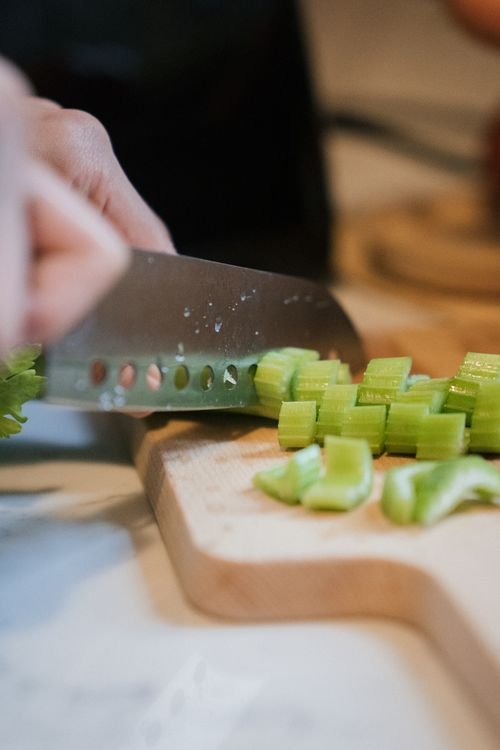
One practical tip for meal prep: chop celery on Sunday and store it in the damp towel container, then use it through Wednesday. Chop a fresh batch on Wednesday for the rest of the week. Two short prep sessions beat one big one, because the second batch starts fresh halfway through the week.
Fresh herbs follow a similar water jar idea, with a few differences in the details. If you buy herbs alongside your celery, our guide to how to keep fresh herbs fresh longer in the fridge walks through the herb version of this method step by step.
How to Revive Limp Celery in Ice Water
Sometimes celery goes limp before you get around to storing it properly. Before you throw it away, try the ice water rescue. It works about nine times out of ten, and it takes less than an hour.
Trim a quarter inch off the base of each limp stalk. Fill a large bowl with ice water, cold water plus a handful of ice cubes, and stand the stalks upright in it, or lay them flat and submerge them fully. Leave the bowl in the fridge for 30 minutes to two hours. The cold water rushes back into the deflated cells, and the stalks firm up and snap again.
Check the celery after 30 minutes by bending a stalk. If it snaps cleanly, it is ready. If it still bends, leave it for another hour. After the rescue, use the celery the same day or move it into the water jar method for longer storage. Revived celery does not last as long as celery that was stored properly from the start, so plan to cook with it within two to three days.
The rescue only works if the celery is limp but not spoiled. If the stalks are slimy, smell sour, or have brown mushy spots, the celery has gone bad and no amount of ice water will save it. Throw it away and start fresh.
How Long Does Celery Last in the Fridge
Storage times depend on the method and on how fresh the bunch was when you bought it. These are realistic timelines for celery bought fresh from a grocery store and stored at 34 to 38 degrees Fahrenheit.
- Loose in the store bag in the crisper drawer: 3 to 5 days
- Wrapped in aluminum foil: 1 to 2 weeks
- Wrapped in a damp paper towel inside a bag: 1 to 2 weeks
- Whole bunch in the water jar method: 2 to 4 weeks
- Cut sticks in a damp towel container: 5 to 7 days
- Chopped celery in a damp towel container: 3 to 4 days
- Revived limp celery after an ice water soak: 2 to 3 days
Buy the freshest bunch you can. Look for stalks that are firm and snap cleanly, leaves that are bright green and perky, and a base that is pale and clean with no brown spots. A bunch that is already soft at the store will never last three weeks, no matter how well you store it at home.
Signs Your Celery Has Gone Bad
Celery gives clear warnings when it is past saving. Trust your senses and throw it away when you see any of these signs.
Sliminess is the first warning. Run your fingers along the stalk. Fresh celery feels firm and slightly ribbed. Bad celery feels slippery and coated, especially near the base and in the inner folds. Slimy celery should go straight in the trash, even if it still looks green.
A sour or musty smell is the second warning. Fresh celery smells green and clean, almost like fresh cut grass. If your celery smells sour, musty, or like old dishwater, bacteria have taken hold and the bunch is done.
Brown or black spots that feel soft and mushy are the third warning. A few small brown marks on an outer stalk can simply be trimmed away, but soft brown patches that sink under your finger mean rot has spread through the stalk. Dark stringy fibers inside the stalk are another sign of age, though a few dark strings in an otherwise firm stalk are harmless.
When in doubt, throw it out. Celery is inexpensive, and a stomach upset costs far more than a bunch of celery. The same rule applies to other produce too. Our guide to how to keep potatoes from sprouting covers the warning signs for potatoes, which go bad in their own quiet way.
A Five Minute Sunday Routine That Saves Every Bunch
The water jar method works best when it becomes a habit, not a one off project. A short Sunday routine keeps every bunch crisp from the day you buy it to the day you finish it.
When you get home from the store, trim the base of the celery bunch, stand it in a jar with an inch or two of cold water, cover it loosely, and put it on a middle shelf. While you are there, move any apples and bananas to a different shelf so their ripening gas does not age the vegetables. That is the whole setup, and it takes about five minutes.
On Wednesday evening, change the water in the jar and check the stalks. Pull out any stalk that has gone soft or slimy and use the rest for the next few days of cooking and snacking. Chop what you need for Thursday and Friday lunches into sticks and store them in the damp towel container so the lunchboxes are ready to pack.
On Saturday, use up whatever celery is left. The leaves and any stalks that are starting to soften are perfect for soup stock, stir fry, or a pot of beans. Nothing goes to waste, and the jar is empty and clean for the next bunch on Sunday.

This routine also makes meal prep easier in general. When the celery is already crisp and ready in the jar, you are far more likely to reach for it. Celery sticks with hummus make an easy afternoon snack, and a handful of chopped celery turns a plain soup into something with real texture.
Conclusion
Learning how to keep celery fresh in the fridge comes down to three habits that anyone can adopt. Store whole bunches upright in a jar of water, so the stalks keep drinking instead of drying out. Change the water every two to three days, so it stays clear and clean. Store cut celery separately in a damp paper towel container, and revive limp stalks in ice water before you give up on them.
Start with your next bunch. Trim the base, stand it in a jar, cover it loosely, and put it on a middle shelf. Check it on Wednesday and change the water. Three weeks from now, when you are still snapping crisp stalks from the same bunch, you will wonder why you ever left celery to die in a plastic bag in the crisper drawer.
Frequently Asked Questions
Can you store celery in water in the fridge?
Yes, and it is the best method for whole bunches. Stand the trimmed stalks upright in a jar with one to two inches of cold water, cover loosely, and refrigerate on a middle shelf. Change the water every two to three days. Celery stored this way stays crisp for two to four weeks.
How long does celery last in the fridge?
It depends on the method. Loose in the store bag it lasts 3 to 5 days. Wrapped in foil or a damp paper towel it lasts 1 to 2 weeks. In the water jar method it lasts 2 to 4 weeks. Cut sticks last 5 to 7 days in a damp towel container, and chopped celery lasts 3 to 4 days.
How do you revive limp celery?
Trim a quarter inch off the base, then stand the stalks in a bowl of ice water in the fridge for 30 minutes to two hours. The stalks draw water back into their cells and firm up again. Use revived celery within two to three days, and only if it is limp rather than slimy or sour smelling.
Should you wash celery before storing it?
Do not wash a whole bunch before storing it. Extra surface moisture encourages sliminess and spoilage. Rinse the stalks just before you use them instead. For cut celery sticks, a damp paper towel in the container provides the right amount of moisture without soaking the pieces.
Can you store cut celery in water?
No, cut celery should not sit in water. The large cut surfaces absorb too much water and the pieces turn waterlogged and flavorless within a day or two. Store cut sticks and chopped celery in a sealed container lined with a damp paper towel instead, and use them within a few days.

1 Comment
Pingback: How to Keep Spinach Fresh in the Fridge