
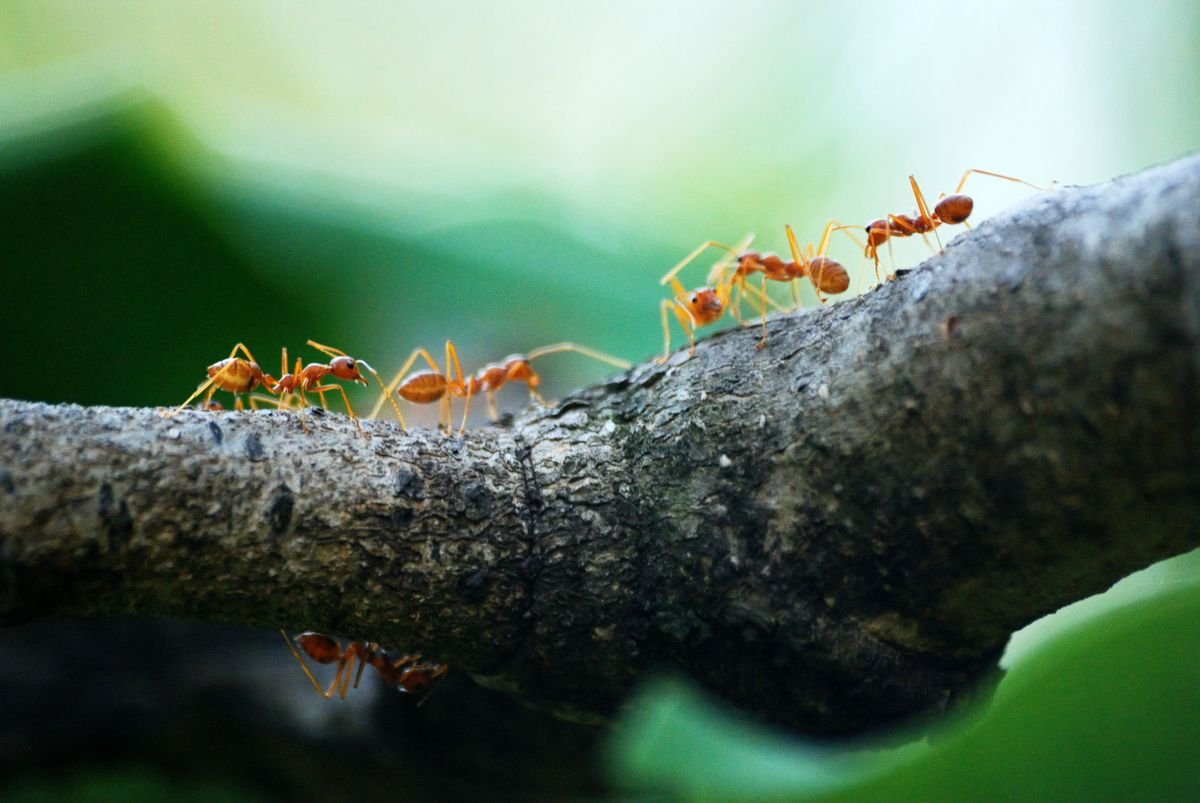
Finding a line of ants across your kitchen counter is frustrating, especially when you do not want to spray chemicals near food, children, or pets. The good news is that you can learn how to get rid of ants in kitchen without chemicals and still get real results, as long as you tackle the reason they came in the first place. Ants are not visiting at random. They are following a scent trail to food, water, or shelter, and they will keep returning until that trail and that food source are gone.
This guide walks through a practical plan that works in most United States homes. You will clean the trail, block the entry points, store food in a way ants cannot reach, and use simple natural deterrents at the spots where ants travel. None of these methods rely on insecticide sprays, foggers, or poison baits placed near food. With a little patience and a consistent routine, most kitchen ant problems fade within a few days and stay away with basic upkeep.
Why Ants Keep Coming Back to the Kitchen
Ants are social insects. When one scout finds crumbs, spilled juice, an open sugar bowl, or a pet food bowl left out overnight, it leaves a scent trail on its way back to the nest. Other ants follow that trail, and soon a thin line becomes a busy highway across your countertop, floor, or windowsill. Cleaning only the ants you can see will not solve the problem, because the scent trail remains and new scouts will follow it again.
Kitchens are ideal for ants for three simple reasons. Food is easy to find, water is close by in sinks and near leaking pipes, and there are plenty of tiny gaps around windows, doors, pipes, and baseboards. In warm weather, ants are more active and more likely to explore indoors. In cooler weather, they may move inside looking for warmth and steady food. Either way, the same habits attract them, and the same fixes push them out.
Find Where Ants Are Getting In
Before you clean or place any deterrent, spend ten minutes watching the ants. Do not disturb the line at first. Follow it backward from the food source toward the wall, window, or floor. The point where the line disappears is often the entry point. Common spots include gaps around window frames, cracks where the countertop meets the wall, spaces around pipes under the sink, and worn weatherstripping under an exterior door.
Check for moisture at the same time. Look under the sink for slow drips, check around the dishwasher hose, and wipe up standing water near the sink and pet bowls. Ants need water as well as food, and a damp spot can keep them interested even after you have cleaned up crumbs. Fixing a small drip is often more useful than any deterrent.
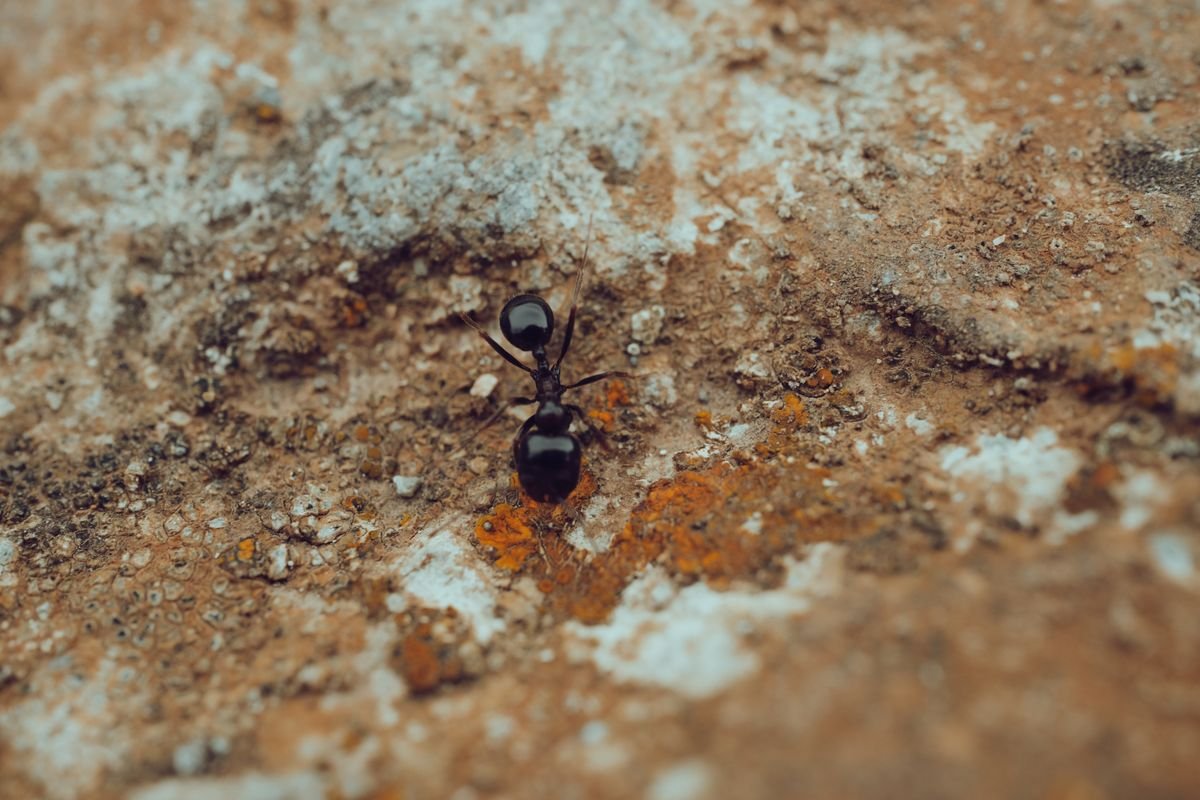
How to Get Rid of Ants in Kitchen Without Chemicals With Vinegar and Soap Water
Vinegar and soap water are the workhorses of this plan, and both are already in most kitchens. Start by removing the ants you can see with a damp cloth or a paper towel. Do not squash them across the countertop and leave the residue, because that can spread the scent and make cleaning harder. Pick them up, dispose of the cloth or towel, and then clean the full trail.
Mix equal parts white vinegar and water in a spray bottle. Spray the trail, the entry point, and the surrounding countertop or floor, then let it sit for a few minutes before wiping clean. Vinegar helps break up the scent trail that guides ants, and it cuts through sticky residue from juice, syrup, and honey. For a deeper clean on countertops, you can follow the same idea used in this guide to clean a microwave with lemon and vinegar, where vinegar and lemon work together to lift grime without harsh sprays.
Soap water is useful for the same reason. Add a few drops of plain dish soap to warm water, wipe the trail and nearby surfaces, and rinse with clean water. Soap breaks down the scent chemicals on the surface and removes food film that you might not see. Repeat this cleaning once a day for two to three days, even if the ants seem to be gone. The scent trail can linger in tiny cracks, and a second and third cleaning makes it much less likely that new scouts will pick it up again.
Natural Barriers That Help Keep Ants Out
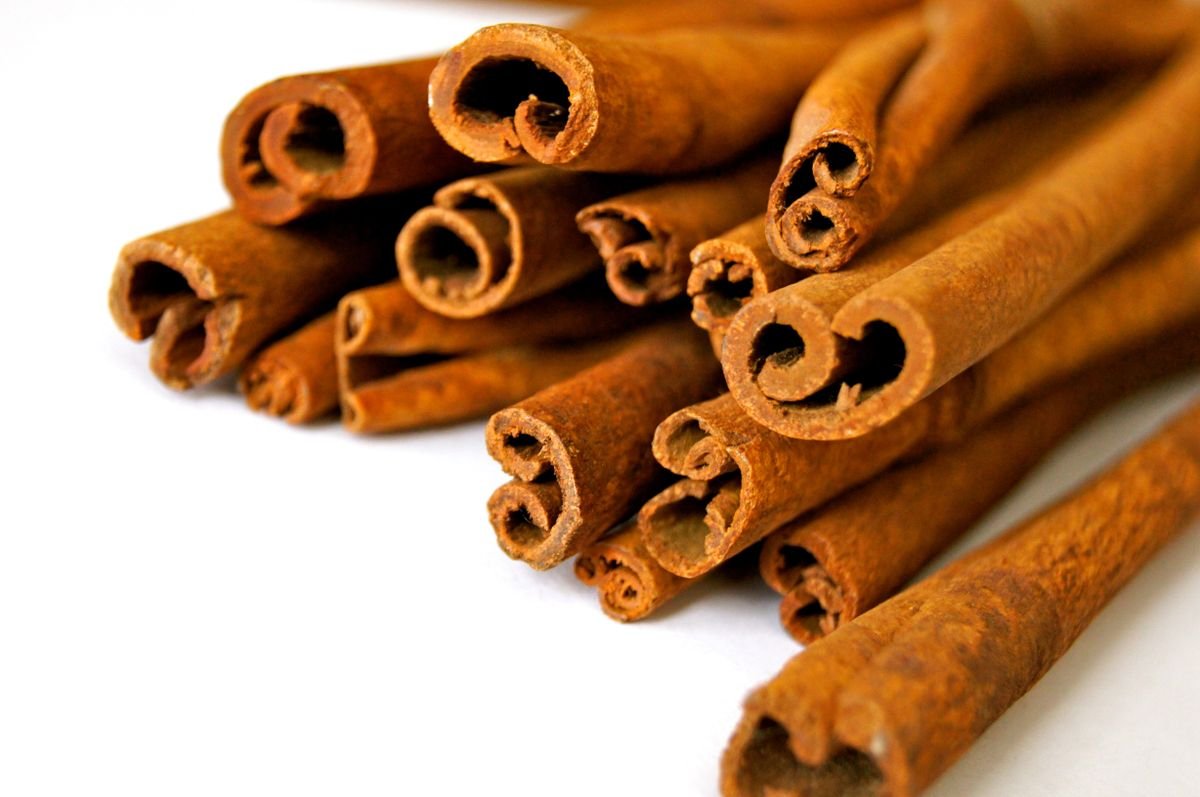
Ground cinnamon is a popular choice. Sprinkle a thin line of ground cinnamon across a windowsill, along a baseboard, or near a crack where ants entered. You can also place cinnamon sticks near entry points for a tidier look. Some people find it helps, while others see only a small effect, so treat cinnamon as a helper, not a guaranteed wall. Replace it when it gets damp or dusty, and keep it away from areas where small children might play with loose powder.
Lemon juice and lemon peel offer another simple option. Wipe entry points with lemon juice, or place fresh lemon peel near a window or door gap. The strong citrus scent may discourage some ants, and lemon also helps clean sticky spots. As with cinnamon, results vary, and lemon alone will not stop ants if they still have easy access to food.
Peppermint oil needs extra care. A few drops mixed with water and sprayed near an entry point can deter some ants, but peppermint oil can irritate cats and dogs, and it should never be used where pets can lick it or walk through it and then groom themselves. If you have pets, skip peppermint oil and stick with cleaning, sealing, and food storage. If you have no pets and you want to try it, use it only in spots that are out of reach, keep the room ventilated, and stop using it if anyone in the home has breathing trouble or skin irritation.
Seal Food and Fix the Habits That Invite Ants
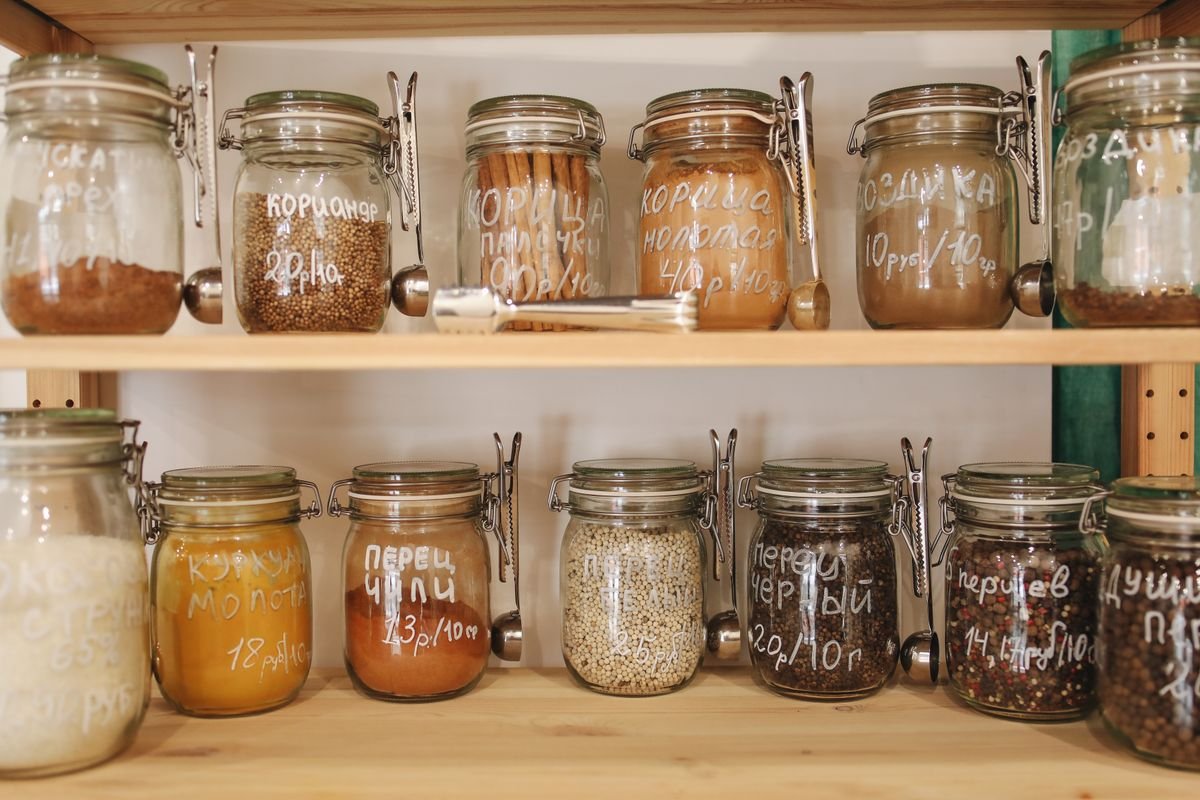
Food storage is where most kitchen ant plans succeed or fail. Ants can slip through a folded cereal bag, a loosely closed sugar box, or a cookie jar with a loose lid. Transfer sugar, flour, cereal, rice, crackers, cookies, dried fruit, and pet treats into airtight containers with lids that seal tightly. Glass jars and sturdy plastic containers both work well, as long as the lid closes fully and there is no gap for a tiny ant to squeeze through.
Pay special attention to sweet and sticky foods. Wipe honey jars, syrup bottles, jam jars, and condiment bottles after each use so no sticky ring remains on the outside. Store opened jam and syrup in the refrigerator when the label suggests it. Keep fruit in the refrigerator during an active ant problem, or in a covered bowl that you check daily. Even a small bruise on a banana or a peach can draw ants quickly.
Kitchen habits matter just as much as containers. Wipe countertops after meals, sweep or vacuum crumbs from the floor each evening during an ant problem, and rinse dishes promptly instead of leaving them in the sink overnight. Take out trash often, keep the trash can clean inside and out, and rinse recyclables that held juice or soda before you place them in the bin. Pet food is another common draw, so feed pets at set times, pick up leftover pet food after about thirty minutes, and wash the bowl daily.
Good storage also protects flavor and freshness in general. If you want to keep produce tasting its best while you tighten up kitchen routines, this guide on how to keep fresh herbs fresh longer in the fridge shows how small storage changes can make a real difference. The same mindset applies here: closed, clean, and checked often beats open, sticky, and forgotten.
Seal the Gaps Ants Use to Enter
Cleaning and storage will reduce ant visits, but sealing gaps is what keeps them from coming back through the same route. Use caulk to fill small cracks around window frames, baseboards, and where pipes pass through walls. For larger gaps, use a suitable filler or foam made for that spot, and follow the product instructions. Replace worn weatherstripping under exterior doors and check window screens for tears.
Keep Your Kitchen Ant Free for Good
Once the ants are gone, a short weekly routine will keep them away. Wipe countertops and the stove area after cooking, sweep the floor a few times each week, and check pantry containers for spills or loose lids. Empty small trash cans often, and wipe the outside of the trash can if anything sticky has dripped down the side. Wash dishcloths and sponges often, since a damp cloth holding food residue can attract ants overnight. Washing reusable cloths in hot water at 140 degrees Fahrenheit helps remove scent and food residue, and it keeps the cloth itself from becoming part of the problem.
What Not to Do When You Have Kitchen Ants
Do not reach for a bug spray near food just because it promises fast results. Sprays can leave residue on countertops, dishes, and food packaging, and they can scatter ants into new areas instead of solving the source. Do not place poison baits on countertops or near pet bowls, even if the label calls the product natural. A product placed where children or pets can reach it is not a safe choice for a kitchen.
When to Call a Professional
Most kitchen ant problems respond well to the plan in this guide, but some signs call for expert help. Call a licensed pest professional if you see carpenter ants, which are larger and often linked to damp or damaged wood. Call for help if ants appear in large numbers in several rooms at once, if they return within days despite thorough cleaning and sealing, or if you suspect a nest inside a wall. A professional can identify the species, find the nest, and suggest targeted options that keep food areas safe.
Conclusion
Learning how to get rid of ants in kitchen without chemicals comes down to a clear order of steps. Watch the trail and find the entry point. Clean the scent trail with vinegar water or soap water. Store food in airtight containers, wipe sticky jars, and pick up pet food promptly. Seal cracks and gaps, then keep up a simple weekly routine. Natural barriers like cinnamon and lemon can help at the edges, but cleaning, storage, and sealing do the real work.
Start today with the easiest wins. Wipe the trail, seal the sugar and cereal, and check under the sink for drips. Then spend a little time sealing the gap the ants used. With those steps done, your kitchen becomes a much harder place for ants to explore, and a much easier place for you to cook, eat, and relax without unwelcome visitors.
Frequently Asked Questions
Does vinegar kill ants?
Vinegar water does not reliably kill a whole ant colony, but it is useful for cleaning the scent trail and removing sticky residue. Use it to wipe trails and entry points, then rely on sealing and food storage to stop new ants from returning.
How long does it take to get rid of kitchen ants without chemicals?
Small problems often improve within two to three days of thorough cleaning and better storage. Larger problems or several entry points may take one to two weeks. If steady trails continue after two weeks, check for a nest near the house or ask a professional for an inspection.
Are cinnamon and peppermint oil safe around pets?
Cinnamon in small amounts at entry points is usually low risk, but loose powder should be kept away from children and pets. Peppermint oil can irritate cats and dogs, so skip it if you have pets and use cleaning and sealing instead.
Why do ants keep coming back after I clean?
Ants return when the scent trail remains, when food is still easy to reach, or when the entry gap is still open. Clean the trail more than once, store food in airtight containers, and seal the gap. All three steps together work better than any one step alone.
Do I need to throw away food that ants touched?
Discard open food that ants have crawled through, especially unwrapped or uncovered items. For sealed food, wipe the outside of the container and transfer the contents to a clean airtight container. When in doubt about safety, throw the item away and replace it.
