
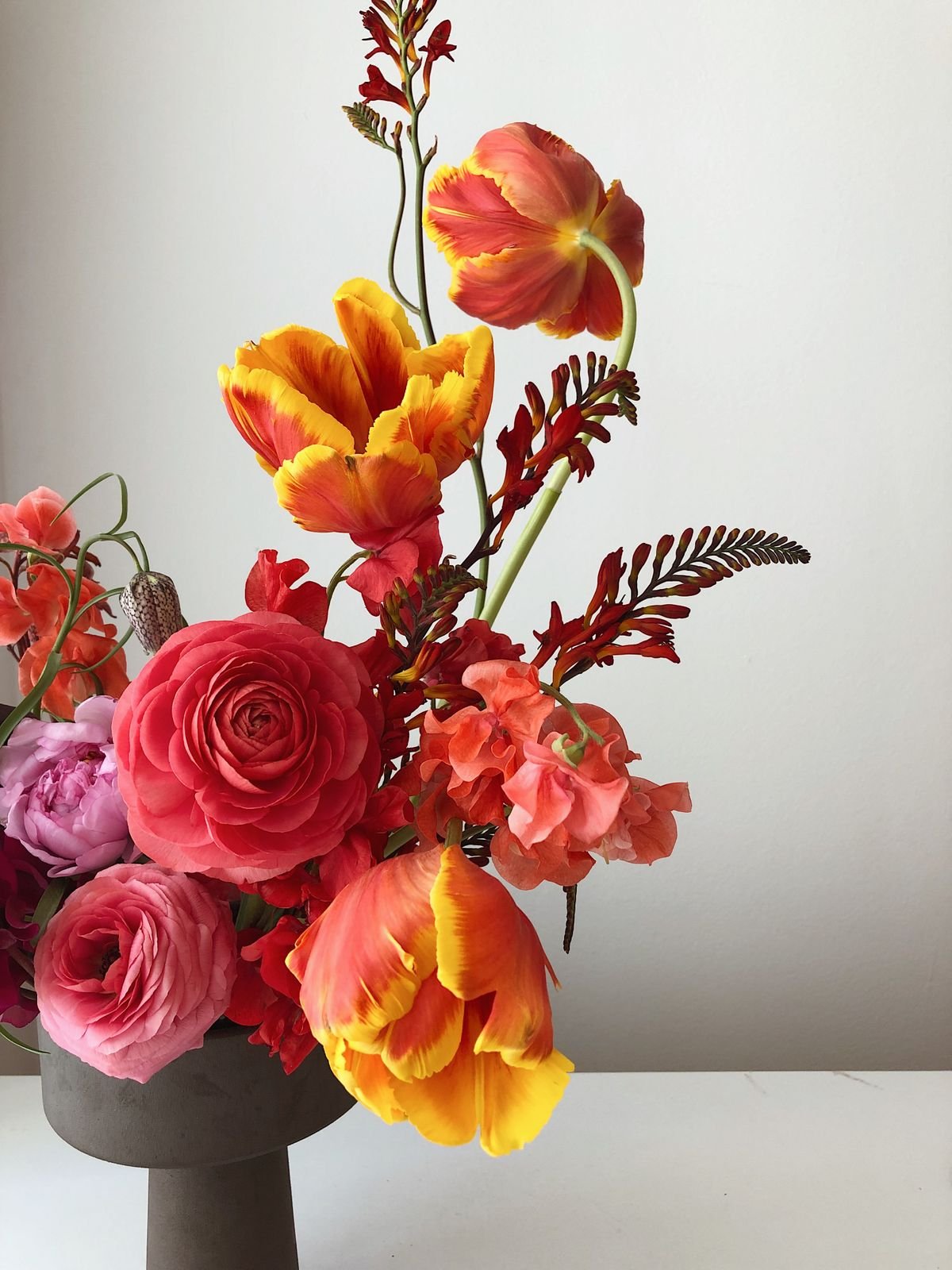
You walk out of the grocery store with a bright bouquet in your arms, you get it home, you look for the little flower food packet, and it is not there. Maybe it fell out of the sleeve. Maybe the bunch never had one. Either way, you have a dinner party at the end of the week and you want those blooms to still look fresh when guests walk in. Good news: you do not need that packet to make it happen.
Learning how to keep cut flowers fresh longer without flower food is mostly about water, stems, cleanliness, and placement. Flower food packets mainly feed stems a little sugar, keep bacteria down with a mild acid, and slow decay. You can get the same three benefits at home with simple pantry items, a clean vase, and a couple of minutes of care each day. Follow this guide, and a bunch that might fade in three days can often look lovely for seven days or more.
Why Grocery Store Bouquets Fade So Fast
Grocery store flowers have already traveled a long way before they reach you. They were cut, packed, shipped, cooled, and displayed under bright store lights. By the time you buy them, they have used up some stored energy and they may have sat in water that already has bacteria in it. That is why a bunch can look perfect on Monday and droop by Wednesday.
Three things speed up fading. First, bacteria grow in vase water and block the tiny tubes inside stems, so water cannot travel up to petals. Second, leaves left under the water line rot quickly and feed that bacteria. Third, warmth, direct sun, and ripening fruit nearby push flowers to open too fast and then wilt. Control those three factors, and vase life improves a lot.
How to Keep Cut Flowers Fresh Longer Without Flower Food With Simple Vase Water
The simplest truth about how to keep cut flowers fresh longer without flower food is this: clean water, changed often, matters more than any recipe. If you do nothing else, use a spotlessly clean vase, fill it with fresh lukewarm water, trim the stems, and change the water every day or every other day. That habit alone can add several days to a bouquet.
A good homemade vase water mix still gives you an edge. It feeds flowers lightly, keeps water slightly acidic so bacteria grow more slowly, and helps stems drink steadily. Before you mix anything, wash the vase. Rinse it with hot water and a drop of dish soap, scrub the inside, especially around the rim and the bottom, then rinse very well so no soap remains. If the vase has a cloudy film or a slimy feel, soak it for ten minutes in hot water with a splash of white vinegar, scrub again, and rinse. A clean vase is the foundation for everything else here.
Trim Stems the Right Way Before They Go in Water
Use sharp scissors or a sharp kitchen knife, not dull household scissors that crush the stem. A crushed stem cannot drink well. Cut each stem at a slant, so the cut surface is larger and the stem does not sit flat on the bottom of the vase and seal itself shut. Cut about one inch off the bottom of each stem. If stems have been out of water for a while, cut up to two inches, to get past any dried out or blocked end.
Do the trimming under running water if you can, or at least trim quickly and place each stem straight into the vase. Air can enter stem tubes when they are dry, and that air can block water uptake. Strip off any leaves that would sit below the water line. Leaves in water rot fast, cloud the water, and feed bacteria. Leave leaves above the water, since they help the plant draw water upward and make the bouquet look full. The same gentle trimming habit helps in the kitchen too, and you will recognize the idea from advice on how to keep fresh herbs fresh longer in the fridge, where clean cuts and clean water also matter.
Three Homemade Vase Water Recipes That Work
You only need one of these recipes at a time. Pick the one that fits what you have at home, mix it fresh, and use it each time you change the water. Do not mix all three together, and do not double the amounts hoping for a stronger effect. Too much sugar or bleach can damage stems faster than plain water would.
Recipe one is the bleach and sugar mix. For one quart of lukewarm water, add one teaspoon of granulated sugar and one quarter teaspoon of household bleach. Stir until the sugar dissolves. The sugar gives blooms a little energy. The tiny amount of bleach slows bacteria without harming stems. This is a reliable mix for mixed bouquets.
Recipe two is the vinegar and sugar mix. For one quart of lukewarm water, add two tablespoons of white vinegar or apple cider vinegar and one teaspoon of granulated sugar. Stir well. Vinegar makes water slightly acidic, which helps stems absorb water and slows bacteria. This mix works well for roses, carnations, and chrysanthemums. Recipe three is the lemon lime soda mix. For one quart of water, use one part clear lemon lime soda and three parts plain water. That means one cup of soda to three cups of water. The soda already contains sugar and a mild acid, so add nothing else. Do not use diet soda, since it lacks the sugar that feeds flowers, and do not use dark cola, which can stain water and the vase. Fill the vase about halfway to two thirds full for most bouquets, and top up with fresh mix as flowers drink.
Where to Place Your Bouquet for a Full Week
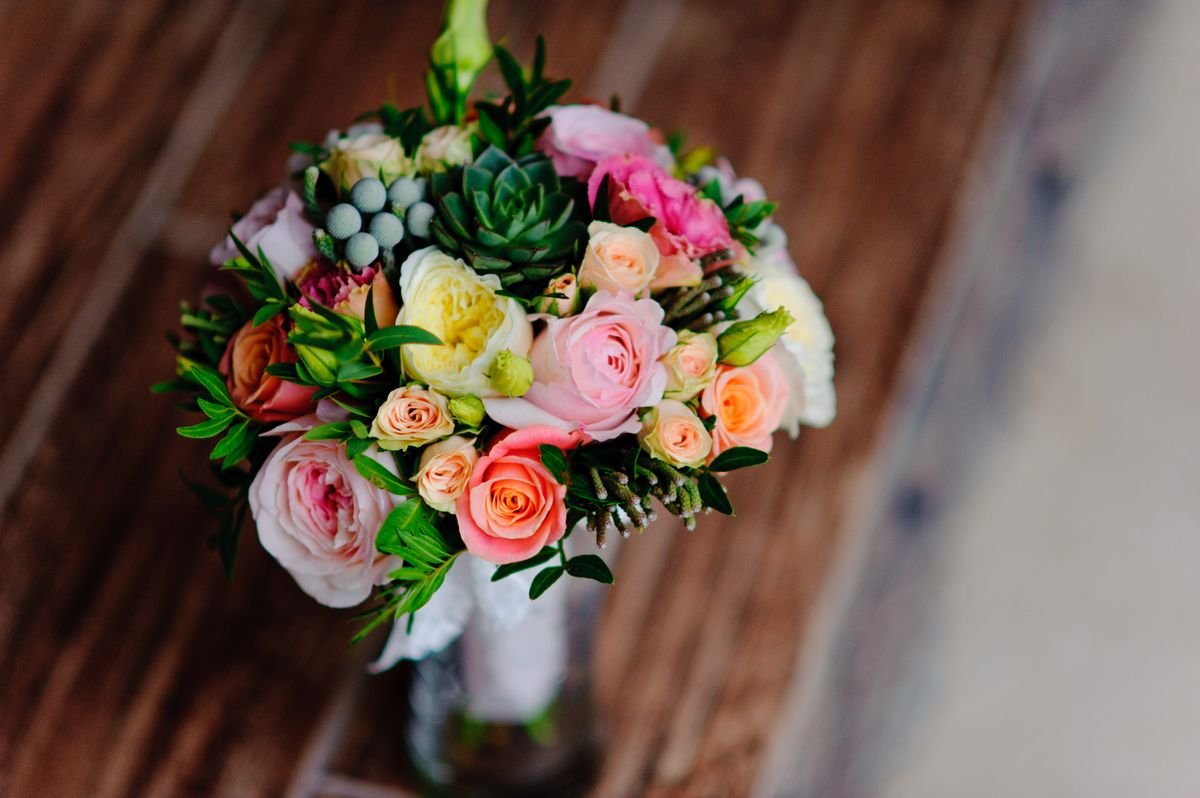
Placement is where many people lose days without realizing it. Flowers last longest in a cool room, away from direct sun, away from heating vents, and away from ripening fruit. A spot around 65 to 75 degrees Fahrenheit is fine, but cooler is better if you have a choice. A north facing room, a shaded dining table, or a cool entryway often beats a sunny kitchen windowsill.
Keep the vase away from the fruit bowl. Apples, bananas, and other ripening fruit release ethylene gas, which speeds up aging in flowers. That is why a bunch placed next to a banana bowl can open fully and then wilt in a day or two. Also keep the bouquet away from televisions, radiators, and the top of a refrigerator, where warm air rises and dries petals. At night, move the vase to the coolest room you have.
Daily Care That Takes Two Minutes
Each morning, check the water level and clarity. If water looks cloudy or smells off, change it completely with a fresh mix. If it still looks clear, top it up and change it fully every other day. Do not let the same water sit for four or five days. Every two days, trim stems again. Take the bouquet out, cut about half an inch off each stem at a slant, rinse the vase, refill with fresh mix, and put stems back. This fresh cut reopens water tubes and removes blocked ends.
While you have the bouquet out, remove any petals or leaves that have wilted, and pull out any stem that has gone fully soft or slimy. One decaying stem can cloud water for all the rest. Also check for yellowing leaves above the water. A little yellowing is normal as flowers age, but sudden yellowing across many stems can mean dirty water, a room that is too warm, or too much direct sun. Yellowing leaves on houseplants often point to water and light issues too, and a useful comparison is the guide on why houseplant leaves turn yellow, which shows how water, light, and cleanliness affect leaf health in general. For cut flowers, the fix is usually fresh water, a fresh trim, and a cooler spot.
Which Flowers Last and Which Fade First
Chrysanthemums, carnations, alstroemeria, and orchids are strong performers and can often last ten to fourteen days with good care. Roses can last seven to ten days if water stays clean and stems are trimmed regularly. Lilies last well too, but remove pollen stamens carefully to avoid stains, and keep lilies away from pets.
Tulips, daffodils, and sweet peas are shorter lived and more sensitive. Tulips keep growing in the vase and may bend toward light, which is charming but means they need attention to stay upright. Daffodils release a sap that can harm other flowers in the same vase, so florists often condition daffodils alone in water for a few hours before mixing them. If your bouquet has daffodils mixed in, change the water a bit more often. Hydrangeas are thirsty. They wilt quickly if they dry out, but they often revive with a deep drink. If a head droops, trim the stem again and place it in warm water for an hour, then return it to the vase. Peonies need patience. Tight buds may take a few days to open, so buy them a few days before your party.
What to Do When Your Dinner Party Is Days Away
If your party is on Saturday and you buy flowers on Monday, plan in stages. On Monday, trim, clean, and place the bouquet in a cool spot with fresh mix. On Tuesday and Thursday, change the water and trim stems. On Friday, do a full refresh: clean vase, fresh mix, fresh trims, remove tired blooms, and rearrange so the strongest stems are at the front. On Saturday, top up water in the morning and place the vase as your centerpiece only an hour or two before guests arrive, so it spends less time in a warm, crowded room.
If some blooms open too fast, move the vase to a cooler room for a day to slow them down. If some buds are still too tight the day before the party, move the vase to a slightly warmer, brighter spot for a few hours to encourage opening, then move it back to a cool spot. Keep a backup plan that costs nothing: have a small side vase ready. If one or two stems fade before the party, move the remaining strong stems into the main vase and use the side vase for a smaller arrangement in another room.
Mistakes That Shorten Vase Life
The most common mistake is leaving the bouquet in the plastic sleeve for days. The sleeve traps warmth and moisture and keeps leaves pressed against wet stems. Unwrap the bouquet as soon as you get home. Another mistake is using a dirty vase straight from the shelf. Even a vase that looks clean can have a thin film of bacteria from the last bouquet, so wash it every time.
Another mistake is adding too much bleach, sugar, or vinegar. More is not better. A heavy dose of bleach burns stems. A heavy dose of sugar feeds bacteria faster than it feeds flowers. Stick to the measures above. A related mistake is never changing water. Even the best recipe goes stale after a couple of days, and topping up old water is not the same as replacing it.
Frequently Asked Questions
Can I keep cut flowers fresh without any flower food at all?
Yes. Clean water, a clean vase, fresh stem trims, and a cool spot matter more than a packet. A simple homemade mix with a little sugar and a mild acid or a tiny amount of bleach gives you the same main benefits, and daily water changes keep bacteria from blocking stems.
How often should I change the vase water?
Change it fully every one to two days, and top it up in between if the level drops. If water looks cloudy or smells off, change it right away, rinse the vase, trim stems, and refill with fresh mix. Do not wait for a scheduled day when water already looks dirty.
Is bleach safe for cut flowers?
In the tiny amount used here, one quarter teaspoon per quart of water, household bleach is a common home method to slow bacteria. Do not use more, and do not use scented bleach products that may contain extra additives. If you prefer to avoid bleach, use the vinegar and sugar mix instead.
Why do my flowers droop even though the vase has water?
The most likely cause is a blocked stem end or dirty water. Bacteria, air, or a dried out cut can stop water from reaching petals even when the vase looks full. Trim half an inch off each stem at a slant, clean the vase, refill with fresh water, and move the bouquet to a cooler spot. Most drooping stems improve within a few hours if blockage was the cause.
Should I put cut flowers in the refrigerator overnight?
You can, if you have space and the refrigerator has no ripening fruit that would release gas. A cool refrigerator slows aging and can help before a party. For most homes, moving the vase to the coolest room overnight gives a similar benefit without the hassle, and avoids any risk from fruit or food odors.
Conclusion
You do not need a flower food packet to enjoy a grocery store bouquet for a full week. The method that works is simple and repeatable: start with a clean vase, trim stems at a slant, strip leaves below the water line, use one measured homemade mix, keep the bouquet cool and away from sun and fruit, and refresh water and trims every couple of days. Those habits are how to keep cut flowers fresh longer without flower food, and they turn a last minute bunch into a centerpiece you can be proud of.
For your dinner party, buy a day or two early if buds are tight, do a full refresh the day before, and place the vase as your centerpiece shortly before guests arrive. Remove any tired stems, keep water fresh, and let the strongest blooms take the spotlight. With that care, your bouquet will look like you planned it that way all along.
