
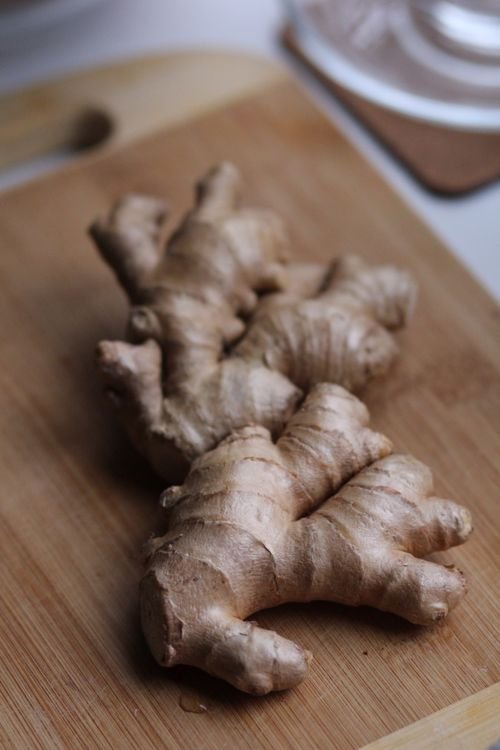
If you have ever reached for the piece of ginger you bought last week and found it shriveled, moldy, or limp, you already know the problem this guide solves. Learning how to store ginger so it lasts longer is the difference between grabbing fresh, punchy ginger for your stir fry and throwing away another sad, gray knob. Most ginger does not go bad because it is old. It goes bad because it was stored the wrong way, and the fix takes about two minutes.
Fresh ginger is a rhizome, not a root, and it behaves very differently from onions or garlic on the pantry shelf. Its thin papery skin protects a high moisture interior, which means two opposite dangers: dry air turns it fibrous and woody, while trapped wetness breeds mold. The trick is managing moisture, not eliminating it. Below you will find the eight methods that actually work, the shelf life each one buys you, the mistakes that kill ginger fast, and a simple way to choose the right method for your kitchen.
How Long Does Fresh Ginger Last?
The shelf life of fresh ginger depends almost entirely on where and how you keep it. These numbers come from the USDA FoodKeeper guide and Iowa State University Extension, and they assume the ginger is firm and healthy when you start.
- On the counter (cool, dry spot): 3 to 5 days, up to 2 weeks in a cool kitchen
- In the refrigerator, wrapped well: 2 to 3 weeks, sometimes up to 4 weeks
- In the refrigerator, peeled or cut: 1 to 2 weeks if wrapped tightly
- In the freezer, whole or sliced: 3 to 6 months at best quality
- Dried or dehydrated: about 1 year
Notice how wide the gap is between the counter and the freezer. Most of that lost ginger in American kitchens dies in the crisper drawer, tossed in loose, or sits on the counter until it turns into a mummy. A tiny bit of method puts weeks or months back on the clock.
Pick the Right Storage Method for Your Cooking Plans
Before you pick a method, be honest about when you will actually cook with the ginger. That one decision matters more than any trick.
- Using it within a few days: keep it on the counter or in the fridge, unpeeled.
- Using it over the next few weeks: fridge storage with moisture control.
- Using it occasionally or in small amounts: freeze it, whole or in portions.
- You bought a huge piece on sale: freeze most of it and keep a small knob in the fridge.
This is the part most storage guides skip. A method is only good if it matches your habits. The perfect method you never follow is worse than a good method you actually use.
The 8 Best Ways to Store Ginger So It Lasts Longer
1. Fridge in an Airtight Bag With a Paper Towel
This is the everyday winner and the method the USDA FoodKeeper guide points to. Leave the ginger unpeeled and dry. Wrap it loosely in a dry paper towel, which absorbs the surface moisture that mold loves, then seal it in an airtight bag or container and put it in the crisper drawer at about 40°F.
The paper towel is not optional. A bare plastic bag traps condensation against the skin and you get slimy spots within days. An unsealed bag in dry fridge air shrivels the ginger. The towel plus the seal balances both risks. Check the towel once a week and swap it if it feels damp. Stored this way, whole unpeeled ginger easily holds 3 to 4 weeks.
2. Freezer Whole, Unpeeled
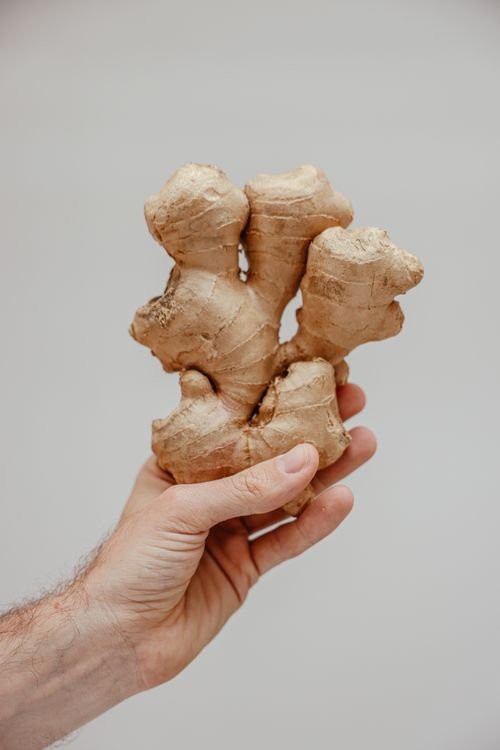
For the longest fresh flavor with zero prep, freeze the ginger whole. Do not peel it. Do not wash it, just brush off any loose dirt. Put the whole piece in a freezer bag, press out the air, seal it, and freeze. At 0°F, ginger keeps its best quality for 3 to 6 months and stays safe indefinitely.
The beautiful part: frozen ginger grates directly from frozen, no thawing needed. A microplane turns frozen ginger into a fluffy pile in seconds, and many cooks find it actually grates more cleanly than fresh. Store a whole knob in the freezer and a small piece in the fridge, and you cover both daily cooking and long term backup.
3. Freezer in Sliced or Grated Portions
If you cook with measured amounts, portion the ginger before freezing. Peel it, slice it into quarter inch coins or grate it, then flash freeze the pieces in a single layer on a parchment lined tray for about an hour. Once firm, transfer the pieces to a labeled freezer bag with the air pressed out.
You can also pack grated ginger into ice cube trays, one tablespoon per cube, and freeze. Pop the cubes out into a bag and each one is a pre measured flavor bomb for a stir fry, soup, or tea. This is the method for people who hate waste and love convenience. Just do not refreeze thawed ginger; take out only what you need.
4. Peeled Ginger Submerged in Vodka
Here is the old chef trick most home guides never mention. Peel the ginger, put it in a clean glass jar, and cover it completely with vodka. Seal the jar and refrigerate. The alcohol inhibits the enzymes and microbes that cause decay, and the ginger keeps for 4 to 8 weeks while staying crisp.
Do not use water. Water breaks down the pectin and turns ginger mushy within days. The vodka picks up a lovely ginger flavor as a bonus, which makes an excellent base for ginger tea or a Moscow mule. Label the jar with the date so you know how old it is. A 750 ml bottle of inexpensive vodka costs a few dollars and preserves many batches.
5. Quick Pickled Ginger in Rice Vinegar
If you love sushi, you already know gari, the pale pink pickled ginger served alongside it. You can make it at home and it keeps for months. Peel and thinly slice about half a pound of young ginger. Pack it into a clean quart jar. Bring a brine of one and a quarter cups rice vinegar, half a cup sugar, half a cup mirin, and one and a half teaspoons salt to a boil, pour it over the ginger, cool, cover, and refrigerate for at least a week.
Pickled ginger keeps for up to 3 months in the fridge and turns an ordinary bowl of rice into something special. Young ginger with thin skin gives the best color and texture. This method changes the flavor, so use it for applications where a sweet tangy bite fits, not as a one to one substitute for fresh.
6. On the Counter for Short Term Use
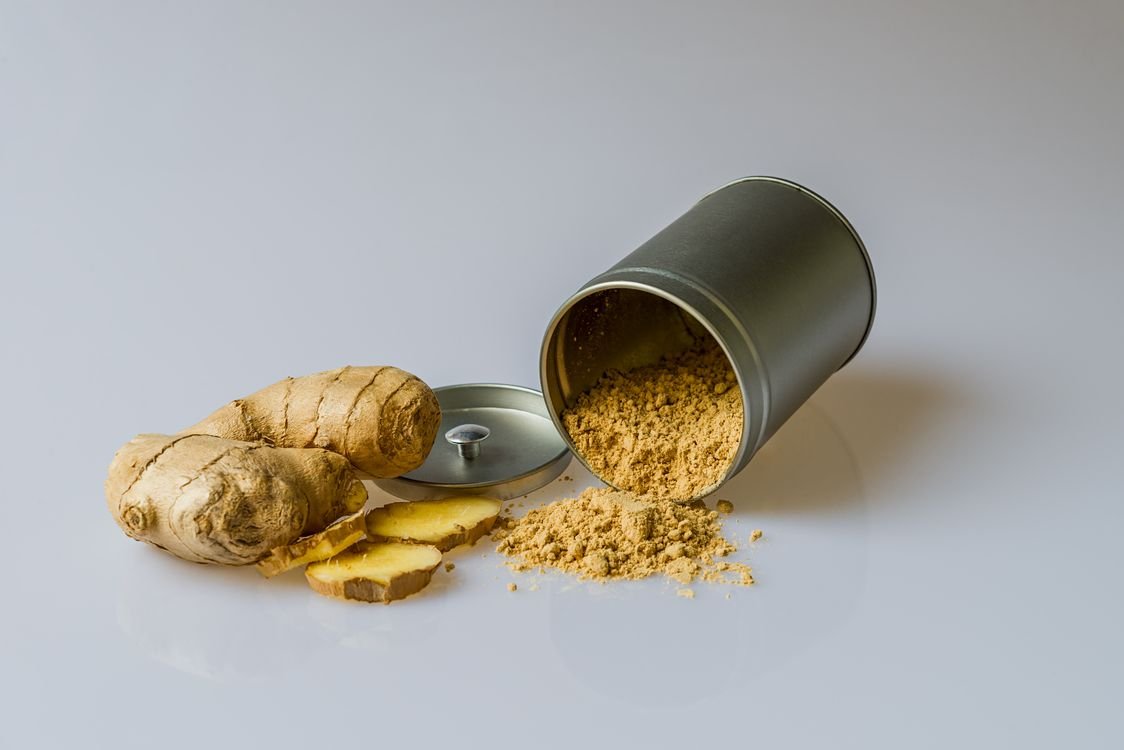
Ginger is fine on the counter for a few days if your kitchen is cool and dry, around 65 to 70°F. Leave it unpeeled and unwrapped in a ventilated spot, away from the stove and direct sun. This is perfect for the piece you plan to finish this week.
Skip this method in hot humid weather or if your kitchen runs warm. Heat and humidity above about 75°F accelerate both sprouting and mold. When in doubt, the fridge is always safer than the counter.
7. Dried or Dehydrated Ginger
For the pantry, dehydrating works wonderfully. Peel the ginger, slice it thin and even, and dry it at 95°F in a dehydrator for 8 to 12 hours, or use your oven on its lowest setting with the door cracked. The slices should snap when bent. Store them in an airtight glass jar away from light for up to a year.
Dried ginger has a deeper, warmer flavor than fresh and works beautifully in baking, chai, and spice blends. It is not a substitute for fresh in stir fries, but it fills a completely different role in your kitchen. Grind only what you need, since ground ginger loses potency over time.
8. Ginger Paste Frozen in Cubes
Blend peeled ginger with just a splash of water until completely smooth, spoon the paste into ice cube trays, freeze, and transfer the cubes to a freezer bag. Each cube is an instant starter for curries, marinades, and soups, and the paste keeps its flavor for up to 6 months.
This is the highest effort method on the list and the most convenient to use. If you cook Indian, Thai, or Chinese food regularly, a bag of ginger paste cubes in the freezer will change your weeknight cooking. A food processor does the work in minutes.
5 Mistakes That Make Ginger Go Bad Fast
Most ruined ginger is not a storage mystery. It is one of these five errors.
1. Washing it before storing. Water trapped on the skin feeds mold. Brush off dirt dry and wash only the piece you are about to use.
2. Peeling the whole piece at once. The papery skin is the ginger’s armor. Once peeled, the flesh dries out and molds fast. Peel only what you need for each meal.
3. Storing it loose in the crisper drawer. A loose knob in the humid crisper is the number one cause of slimy ginger. Wrap it or bag it.
4. Keeping it next to bananas or apples. Ethylene producing fruit speeds up decay. Keep ginger away from the fruit bowl, just like you keep fresh herbs away from ripening fruit to keep fresh herbs fresh longer in the fridge.
5. Storing it in the fridge door. The door is the warmest, most temperature swingy part of the fridge. Use the crisper drawer, where temperature and humidity stay stable.

How to Tell If Ginger Has Gone Bad
Before you cook with stored ginger, run this quick check. Toss the ginger if you see any of the following.
- Mold: any fuzzy spots, white, gray, or blue, mean the whole piece should go. Unlike hard cheese, you cannot safely cut mold off ginger because it penetrates the soft flesh.
- Soft or mushy texture: fresh ginger is firm and snaps cleanly. If it bends or feels spongy, it is done.
- Wrinkled, dry skin with no snap: some shriveling is fine for cooking, but completely dried out ginger has lost its flavor.
- Sour or off smell: fresh ginger smells bright and peppery. A sour or fermented odor means it has turned.
- Dark discoloration inside: slice it open. The interior should be pale yellow and juicy. Gray or dark brown flesh is spoiled.
Can You Revive Shriveled Ginger?
Slightly shriveled ginger that is still firm and mold free can often be rescued. Soak it in cold water for 20 to 30 minutes and it will plump up noticeably as the cells rehydrate. This works for ginger that dried out, not for ginger that is soft or moldy. Use revived ginger promptly in cooked dishes, since its texture will never fully match fresh.
Frequently Asked Questions
How long does fresh ginger last in the fridge?
Whole, unpeeled ginger lasts 2 to 4 weeks in the fridge when wrapped in a dry paper towel inside an airtight bag in the crisper drawer. Peeled or cut ginger lasts 1 to 2 weeks. Freezing extends that to 3 to 6 months at best quality.
Can you freeze fresh ginger root?
Yes, and it is one of the best storage methods. Freeze it whole and unpeeled in a sealed freezer bag, or peel and freeze it sliced, grated, or as paste in ice cube trays. Grate or slice it directly from frozen without thawing.
Should you peel ginger before storing it?
No. Keep the skin on until you are ready to cook. The papery skin is a natural moisture barrier that keeps the interior firm and slows mold. Peel only the portion you need for each meal.
Can you store ginger at room temperature?
Yes, for a few days to two weeks in a cool, dry kitchen around 65 to 70°F. Leave it unpeeled and unwrapped away from heat and sun. For anything longer, refrigerate or freeze it instead.
Does frozen ginger taste as good as fresh?
For cooked dishes, yes. Frozen ginger keeps nearly all of its flavor for 3 to 6 months, and many cooks find it grates more cleanly than fresh. The texture changes after freezing, so use fresh ginger for applications where a crisp bite matters, like pickles or garnishes.
The Bottom Line
Storing ginger so it lasts longer comes down to three habits: keep the skin on, control moisture, and match the method to your cooking schedule. The fridge with a paper towel and an airtight bag covers most kitchens for weeks. The freezer covers everything else for months. Avoid the five mistakes above and you will stop throwing away half of every piece you buy.
The next time you bring home a knobby piece of ginger, spend the two minutes to store it right. Your future self, mid stir fry with a firm fragrant knob ready to grate, will thank you. Small habit, big payoff, and a lot less food waste in your kitchen.

1 Comment
Pingback: Keep Lettuce Fresh for Two Weeks: Easy Method