

If you want to know how to stop AirPods falling out when running, you are not alone. Many runners love the clear sound and light feel of AirPods, then lose the rhythm of a run when a bud starts to slip, wobble, or drop onto the pavement. The good news is that most cases have a simple fix. In almost every case, the problem is fit, not faulty hardware.
This guide explains why AirPods slip, then walks through seven fixes that work in the real world. You will learn how to test your ear tips, how to seat the buds correctly, when foam tips or ear hooks help, and how to deal with sweat, glasses, and hats. By the end, you will have a short routine you can use before every run, so your music stays in place and your mind stays on the miles ahead.
Why AirPods Slip Out While You Run
Running changes the shape of your ears in small but important ways. Each foot strike sends a tiny jolt through your body. Your jaw moves as you breathe hard. Sweat builds up and makes smooth silicone tips more slippery. Hair, glasses arms, and hat bands can also nudge a bud out of place without you noticing at first.
AirPods Pro use soft silicone tips that sit inside the ear canal. AirPods without tips rest in the outer ear and rely on shape alone to stay put. Both designs can work well for running, but neither design fits every ear in the same way. Ear canals differ in width, depth, and angle. That is why a friend can run a marathon with the same buds while yours slip after one mile.
Another common cause is tip size. Most people keep the medium tips that come in the box, even when a smaller or larger size would seal better. A tip that is too small will slide around and let sound leak out. A tip that is too large can feel tight at first, then pop out as pressure builds. A quick size test often solves the problem in minutes.
How to Stop AirPods Falling Out When Running With a Better Fit
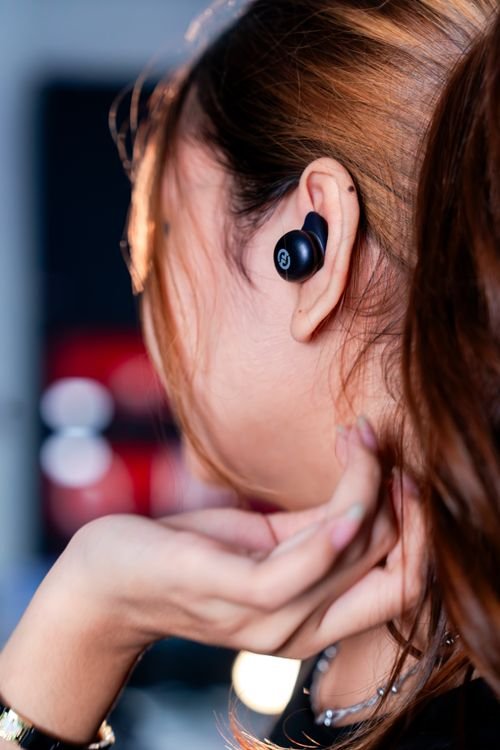
The fastest way to stop AirPods falling out when running is to fix the fit before you buy anything new. Start at home, in front of a mirror, with clean hands and clean ear tips. Remove any wax or dust from the tips with a dry cloth. Dirty tips lose grip and can also muffle the sound, which tempts you to push the buds in harder than you need to.
Put the buds in slowly and twist them gently until they feel even and settled. Do not force them deep into the ear canal. A good fit should feel secure but comfortable, with no sharp pressure and no feeling that the bud wants to spring back out. Shake your head side to side, jump in place a few times, and jog on the spot for thirty seconds. If a bud moves, note which ear moves first, because many runners need a different tip size on each side.
Fix 1: Find Your Correct Ear Tip Size
AirPods Pro ship with several tip sizes in the box. Try each size on each ear, one at a time, and keep notes on what you try. A useful test is to play music at your normal run volume, then cover your ears lightly with your hands. The size that gives the fullest bass and the least outside noise is usually the size that seals best.
If your phone offers an ear tip fit test, use it as a starting point, not as the final answer. The test checks the seal while you sit still. Running adds movement and sweat, so a tip that passes while seated can still fail on a run. Always confirm the result with a short test run before you trust it for a long run.
Do not assume both ears need the same size. It is normal for one ear canal to be slightly larger than the other. Many runners wear a medium tip on one side and a large tip on the other. That mixed setup often feels odd at first, then feels completely natural once you run with it a few times.
Fix 2: Seat the Buds the Right Way
Small changes in angle make a big difference. For AirPods Pro, angle the tip slightly forward and inward as you insert it, then twist it back a little until the stem points down. The tip should sit comfortably in the ear canal, while the body of the bud rests against the outer ear for support. If the stem sticks out at a strange angle, the fit is probably off.
For standard AirPods without tips, place the bud in the bowl of the outer ear and rotate it until it feels locked in place. The speaker should point toward the ear canal, not straight out. Try a gentle pull on the top of your ear while you insert the bud. This straightens the ear canal a little and can help the bud settle deeper without pressure.
Once the buds are in, avoid touching them every few minutes. Constant adjusting breaks the seal and lets sweat get under the tip. Trust the test you did at home. If a bud still slips after a good seating test, move on to the next fix rather than pushing the same bud in harder on every run.
Fix 3: Try Memory Foam Ear Tips
Memory foam tips are the single best upgrade for many runners. Foam expands slowly to fill the ear canal, which gives a stronger seal than smooth silicone. That extra grip helps a lot once sweat starts to build up. Foam also tends to stay in place during head turns, jumps, and downhill sections where silicone tips often creep out.
Foam tips come in the same small, medium, and large sizes as silicone tips. Squeeze a foam tip gently, insert it, and hold it in place for a few seconds while it expands. Do not rush this step. If you start running right away, the foam will not have time to form a full seal, and the benefit will be lost.
Foam tips wear out faster than silicone tips, so replace them every few weeks if you run often. Watch for foam that stays flat, tears at the edge, or feels loose after expanding. A fresh pair usually costs between 12 and 20 dollars for a multi pack in the US, which makes this a low cost fix compared with buying new buds.
Fix 4: Add Ear Hooks or Wingtips
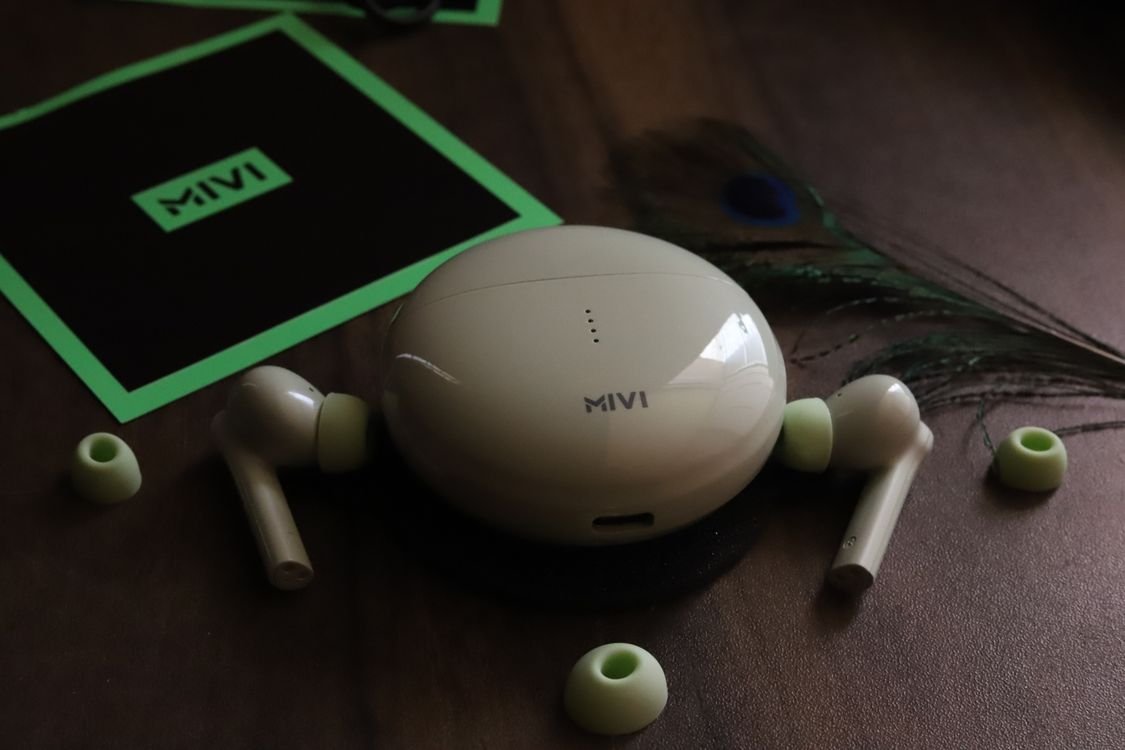
Ear hooks and wingtips add a second point of support. A hook loops over the top of the ear, while a wingtip tucks into the folds of the outer ear. Both styles stop the bud from rotating out when you move. They are especially useful for runners with smaller ear canals, or for anyone who finds that even the largest tip still feels loose.
Look for hooks made for your exact AirPods model, because the shape of the case and the stem differs between models. A hook that fits one model may block the charging case or press on the controls of another model. Test the hooks on a short run first, and check that you can still tap the controls without shifting the bud.
Some runners use hooks only for races and long runs, and use plain tips for short easy runs. That approach works well if you find hooks slightly less comfortable for everyday listening. Keep a spare set in your run bag, because hooks are small and easy to lose after a run.
Fix 5: Manage Sweat Before It Breaks the Seal
Sweat is the hidden enemy of a good earbud fit. It does not just make tips slippery. It can also pool around the tip and break the seal in a sudden moment, often on a hill or during a sprint finish. A few simple habits can reduce this problem a lot.
Start your run with dry ears and dry tips. Wipe the tips with a dry cloth before you head out, and avoid applying lotion or sunscreen right around the ears. If you run in heat, carry a small towel or use your shirt to dry the outer ear at a water stop. A quick wipe at mile three can save the rest of the run.
For very sweaty runners, foam tips usually beat silicone tips, because foam absorbs a little moisture and keeps gripping. You can also try a thin sweatband that sits above the ears rather than over them. A band that presses down on the buds will push them out, so position it carefully and test it on a short run first.
After a run, wipe the buds and the tips clean and let them air dry before you put them back in the case. This keeps the tips in good shape, stops buildup that can reduce grip, and helps the buds last longer. Never rinse AirPods under running water unless your model is rated for that level of water resistance, and always check the manual first.
Fix 6: Sort Out Glasses, Hats, and Headbands
Glasses and hats cause more slipped buds than most runners realize. A glasses arm can lift the top of a bud as you run, while a tight hat can push the bud forward with every stride. The fix is usually about order and position, not about giving up glasses or hats.
Put your AirPods in first, then put your glasses on carefully, sliding the arms over the buds without pressing down on them. If your glasses still lift the buds, try thinner arms, or adjust the fit so the arms sit a little higher on the ear. For sunglasses, choose a pair with light frames for running, because heavy frames bounce more and tug at the buds.
With hats, wear the band above the buds when you can, or choose a hat with a looser fit around the ears. A headband that sits low over the ears will almost always push buds out. Test your full race day setup, including glasses, hat, and buds, on at least one training run. Race day is the wrong time to discover a clash between gear.
Fix 7: Know When to Switch to Sport Buds
Most runners can solve the problem with fit and accessories. If you have tried every tip size, foam tips, and hooks, and the buds still fall out on most runs, it may be time to consider sport buds with a built in ear hook or a wrap around band. These models are designed for movement first, and they hold on during sprints, jumps, and trail runs.
Before you switch, be honest about how often the problem happens. A bud that slips once on a very hot, very long run is different from a bud that slips on every easy jog. If the problem is rare, a cheaper fix like foam tips is usually enough. If the problem is constant, a sport model can remove the worry entirely and let you focus on running.
Keep your AirPods for daily listening even if you buy sport buds for running. Many runners keep both, using AirPods for calls and commutes, and sport buds for hard sessions. That split also protects your AirPods from sweat and rain on the toughest training days.
A Simple Test Routine Before Every Run
Use this short routine to check your fit in under two minutes. First, clean the tips and insert the buds with the method described above. Second, play a song you know well and listen for full bass and clear vocals. Third, jog on the spot, shake your head, and do five small jumps. Fourth, check that both buds still feel even and secure.
If a bud moves during this test, change one thing at a time. Try a different tip size, seat the bud again, or add a hook. Changing several things at once makes it hard to know what actually worked. Keep a note on your phone of the setup that works, including tip sizes for the left and right ears, so you can rebuild the same fit after cleaning or after switching tips.

Common Mistakes That Make Slipping Worse
One common mistake is wearing tips that are too small because they feel more comfortable at first. A loose tip feels gentle while you sit still, then slides as soon as you start moving. Another mistake is pushing buds in too deep. Deep pressure can cause soreness and can actually force the bud back out as the ear tries to relieve the pressure.
Another mistake is ignoring earwax buildup. Wax on the tip reduces grip and can change the sound, which leads to constant adjusting. Clean the tips regularly with a dry cloth and check the mesh on the buds for buildup. If sound becomes muffled on one side, cleaning is often the fix, not a new pair of buds.
Finally, many runners test a new setup only while walking around the house. Walking does not reproduce the bounce, sweat, and head movement of running. Always test on a real run, even a short one around the block, before you trust a setup for a long run or a race.
Keeping Your Whole Tech Setup Reliable
Running gear is only part of a smooth routine. When other tech keeps acting up at home, it can eat into training time and patience. If you also deal with a TV that drops its connection, read this guide on why your TV keeps disconnecting from WiFi for clear steps that fix the most common causes. The link is here: why your TV keeps disconnecting from WiFi.
Heat is another silent tech problem, especially for runners who work from a laptop between sessions. If your machine runs hot or shuts down, read this guide on why your laptop gets hot and shuts down for practical cooling and cleaning steps. The link is here: why your laptop gets hot and shuts down. Sorting these small tech issues keeps your focus where it belongs, on your training and your recovery.
Conclusion
Learning how to stop AirPods falling out when running comes down to fit, grip, and a little preparation. Start with the correct tip size and a careful seating method. Add foam tips if sweat breaks the seal. Add ear hooks if movement still pulls the buds out. Manage sweat, sort out glasses and hats, and test the full setup on a real run.
Take these takeaways with you on your next run. Test tip sizes on each ear separately. Let foam tips expand before you start. Wipe tips dry before and after a run. Test glasses and hats together with the buds. Change one thing at a time when you troubleshoot. With those habits, most runners can keep their AirPods in place from the first mile to the last, and enjoy the music, podcasts, and calls that make running even better.
Frequently Asked Questions
Why do my AirPods fall out only when I run?
Running adds bounce, jaw movement, and sweat, all of which loosen the seal. A fit that feels fine while sitting still can fail once you move. Test tip sizes and seating on a real run, not just indoors.
Should I use a different tip size on each ear?
Yes, if that gives a better seal. Ear canals often differ in size. Many runners wear a medium tip on one side and a large tip on the other, and that mixed setup works well.
Are foam tips better than silicone tips for running?
For most sweaty runners, yes. Foam expands to fill the ear canal and grips better when moisture builds up. Replace foam tips regularly, because worn foam loses its grip.
Do ear hooks work with AirPods Pro?
Yes, when you choose hooks made for your exact model. Hooks add support over the ear and stop rotation during movement. Test them on a short run and check that the case still closes.
When should I buy sport earbuds instead?
Consider sport buds if you have tried all tip sizes, foam tips, and hooks, and the buds still fall out on most runs. Sport models with hooks or a wrap band are built for hard movement and remove the worry entirely.
