
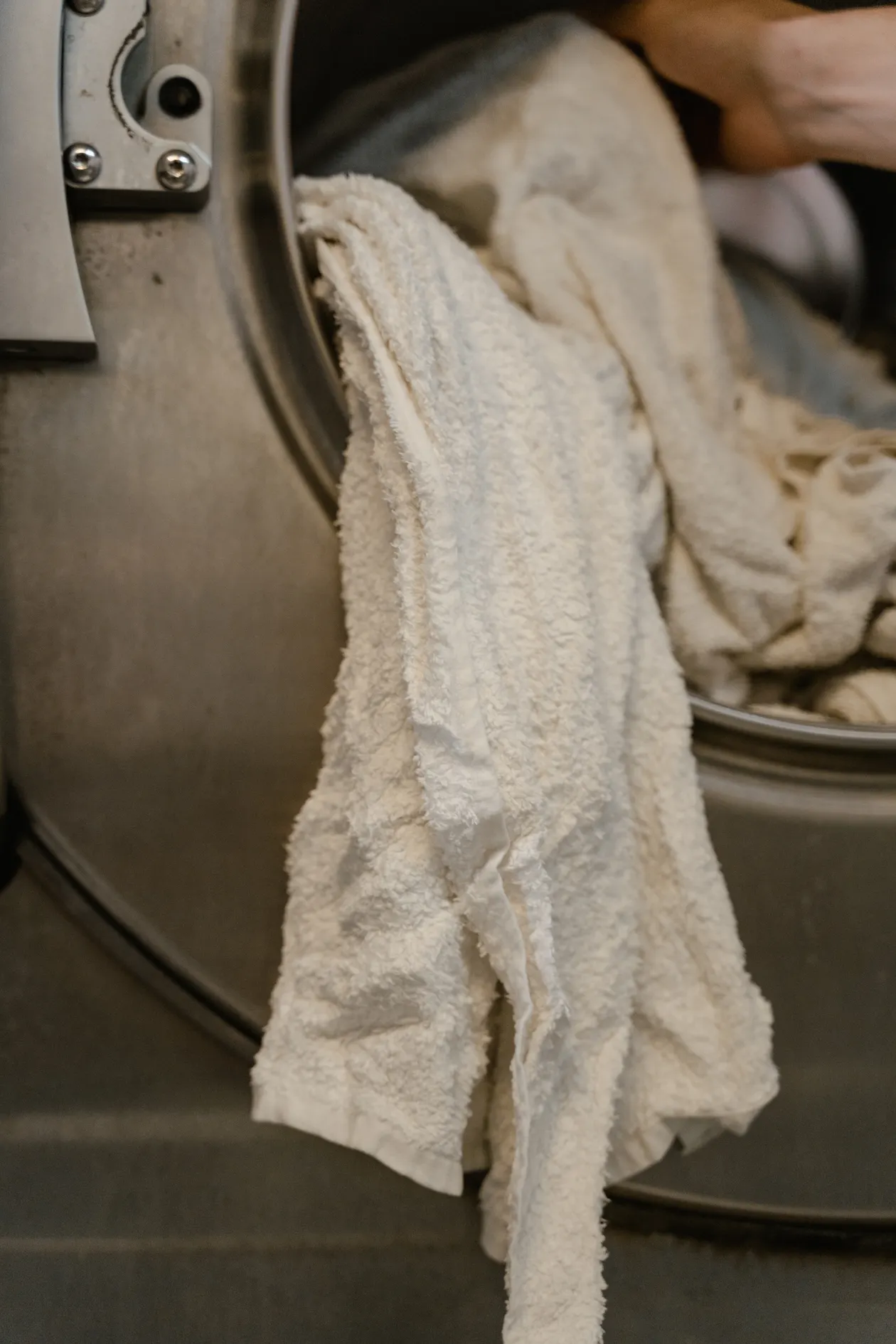
There is a special kind of disappointment that comes from pulling your pillows out of the washing machine and finding them ruined. They went in plump and even, and they came out as sad, uneven lumps with all the filling bunched up in one corner. If that has happened to you, learning how to wash pillows without them going lumpy will save you money, sleep quality, and no small amount of frustration.
The good news is that lumpy pillows are almost always preventable. Lumps form for simple physical reasons: the filling clumps together when it gets soaked and then dries unevenly. Once you understand that, every step of the process, from the wash cycle you choose to the way you dry, becomes a way to keep the filling loose and evenly spread. This guide walks you through the whole method, including what to do when a pillow is already lumpy and how to handle homes without a tumble dryer.
Why pillows go lumpy in the wash
Pillow filling is designed to stay springy when it is dry and gently handled. Inside a washing machine, two things work against it. First, water makes fibres and feathers heavy, so they sink and press together into dense clumps. Second, the spin cycle squeezes those clumps tight. If the pillow then dries with the clumps still in place, the filling sets in that shape and you are left with lumps that no amount of punching will fully fix.
Certain mistakes make this far worse. Overloading the drum so the pillow cannot move freely, using too much detergent that never fully rinses out, skipping the drying stage or stopping it while the middle is still damp, and washing a pillow type that should never have gone in the machine at all. Each of these is easy to avoid once you know the right routine.
Start with the care label, because not every pillow belongs in the machine
Before you touch the washing machine, read the care label stitched into the pillow seam. It tells you the filling, the maximum wash temperature, and whether machine washing is allowed at all. This single step prevents most pillow disasters.
Synthetic pillows, usually filled with hollowfibre or microfibre, are the easiest to wash. They tolerate a 40 degree cycle well and bounce back nicely if you dry them properly. Feather and down pillows can be machine washed too, but they are fussier: they need a gentle cycle, thorough rinsing, and very complete drying, because damp down can develop a musty smell and lose its loft.
Memory foam pillows should never go in the washing machine. The foam can tear apart in the drum and lose its supportive shape. The same goes for most latex pillows and some wool pillows, although a few wool pillows are marked as machine washable. For these types, remove the cover and wash that, then spot clean the pillow itself with a damp cloth and mild soap. If your pillow has no label left, treat it as hand wash only to be safe.
Also check the pillow for weak seams or small tears before washing. A small split can burst open in the machine and fill your drum with loose feathers or fibre. Stitch up any damage first, or wash the pillow inside a large laundry bag or a spare pillowcase tied shut.
How to wash pillows without them going lumpy: the machine method
This is the core routine. Follow it exactly and your pillows will come out clean, fresh, and evenly plump.
Prep the pillows and the machine
Wash two pillows at the same time whenever you can. A single pillow bangs around an unbalanced drum, while two balance each other and allow the water and detergent to circulate evenly. If you only own one washable pillow, add a couple of large towels to balance the load.
Remove pillowcases and any removable protectors and wash those separately. Treat visible stains first by dabbing them with a little liquid detergent or a paste of bicarbonate of soda and water, then leave the pillow to rest for fifteen minutes before it goes in the drum.
Use a mild liquid detergent, and use less than you think you need. About half the amount you would use for a normal load is plenty. Powder detergents can leave residue inside thick filling, and fabric softener coats fibres so they cling together, which is exactly what causes lumps. Skip the softener entirely for pillows. If your towels have lost their softness as well, our guide on how to keep towels soft after washing covers the same detergent discipline in more detail.
Choose the right cycle, temperature, and rinse
Select a gentle or delicate cycle with a warm wash, around 40 degrees for most synthetic and feather pillows. Hot water is unnecessary and can damage some fillings, while a cold wash may not shift body oils and dust mites properly. Forty degrees is the sweet spot the care labels usually recommend.
Run an extra rinse at the end of the cycle. This is one of the most skipped steps and one of the most important, because leftover detergent residue makes filling sticky and prone to clumping as it dries. If your machine has a rinse plus or extra rinse button, use it every time you wash pillows.
When the cycle finishes, do not leave the pillows sitting in the drum. Lift them out promptly and give each one a firm shake and a squeeze to redistribute the filling while it is still damp and pliable. This thirty second habit makes a noticeable difference to the final result.
Drying is the stage where lumps are actually born
Here is the truth most guides bury: washing rarely ruins pillows on its own. It is incomplete or uneven drying that locks lumps in place. A pillow that feels dry on the outside can still be damp in the middle, and that hidden dampness is where mould, smells, and permanent clumps develop. Plan for drying to take longer than you expect, often two to three full dryer cycles or a full day of air drying.
The tennis ball trick, done properly
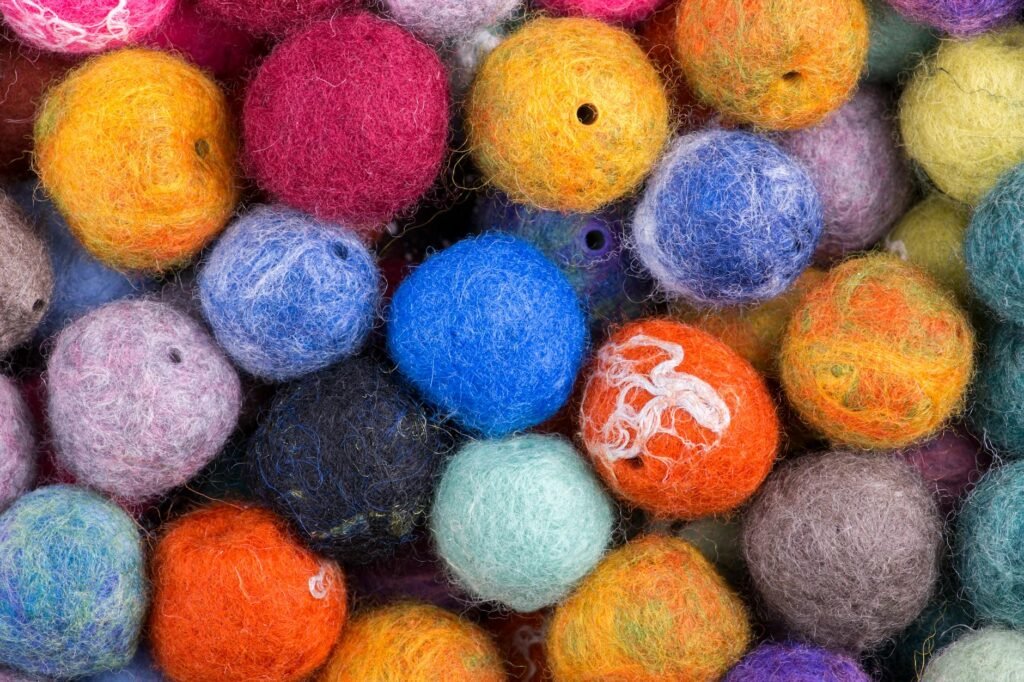
Tumble dry pillows on a low heat setting with two or three clean tennis balls or wool dryer balls. As the drum turns, the balls bounce against the pillows and physically break up any clumps forming in the filling. This is the single most effective anti lump technique that exists.
Every twenty to thirty minutes, pause the dryer, take the pillows out, and fluff them by hand. Pull the corners gently outward, shake the pillow sharply, and press any thick spots flat between your palms. Then put them back in for another round. Repeat until the pillow feels completely dry all the way through, including the very centre. Press your face close and take a sniff as well: any musty hint means it needs more time.
Keep the heat low throughout. High heat can melt synthetic fibres into hard beads and can scorch feather fillings, creating a different kind of lump that never goes away. Low and slow wins every time. If static is a problem in your dryer, see our guide on how to get rid of static cling without dryer sheets for safe fixes that will not coat your pillows.

No tumble dryer? Use this air drying method
Many UK homes have no tumble dryer, and pillows can still be washed successfully. After the extra rinse, roll each pillow in a large dry towel and press firmly to squeeze out as much water as possible without wringing. Then lay the pillows flat on a drying rack in a warm, airy room, turning and fluffing them every hour or two.
A fan pointed at the rack speeds things up enormously, and drying near but not on a radiator helps in winter. Never hang a wet pillow over a line by its corners, because gravity will drag all the filling to one end. Flat drying keeps the filling where it belongs. Expect air drying to take a full day or even two in damp weather, and do not put the pillow back on the bed until the centre is bone dry.
How to rescue a pillow that is already lumpy
If you are reading this with a lumpy pillow already in hand, all is not lost. Put the dry pillow in the tumble dryer on low heat with dryer balls for twenty minutes, pausing halfway to break up clumps by hand. The heat and movement often relax the filling enough to redistribute it.
For stubborn single lumps, work the filling with your fingers from the outside of the ticking, teasing the clump apart and spreading it toward the thin areas. A few minutes of patient hand work can transform a pillow. If the filling has formed hard beads from previous high heat drying, or if the pillow still smells musty after a full rewash and dry, it has reached the end of its life and should be replaced.
How often to wash pillows, and the fold test for replacement
Wash pillows every three to six months, depending on how much you sweat at night and whether you use protectors. Allergy sufferers benefit from the shorter end of that range, since regular washing keeps dust mite populations down. Pillowcases should be washed weekly as usual.
Even perfect washing cannot save a pillow forever. Try the fold test: fold the pillow in half, press out the air, and let go. If it springs back open, it still has life in it. If it stays folded like a sad envelope, the filling is worn out and no wash will bring back the support. Most pillows need replacing every one to two years.
Keep pillows plump for longer between washes
A washable pillow protector is the best investment you can make. It takes the sweat, drool, and oils that would otherwise soak into the filling, and it is far easier to wash frequently than the pillow itself. Choose a breathable cotton protector rather than a plasticky one, which can make you sweat more.
Give your pillows a quick fluff every morning when you make the bed: hold two opposite corners and shake, then punch the middle lightly to redistribute the fill. Air the bedroom daily if you can, because moisture from the night needs somewhere to go. These tiny habits stretch the time between washes and keep pillows feeling fresh.
Conclusion
Learning how to wash pillows without them going lumpy comes down to a handful of habits: check the label first, wash two at a time with mild liquid detergent and no softener, add an extra rinse, and dry thoroughly on low heat with dryer balls while fluffing at intervals. The drying stage matters more than the wash itself, so never rush it. With this routine, your pillows will come out of every wash as plump and even as the day you bought them, and the few minutes of extra effort will add months to their useful life.
Frequently asked questions
Why do my pillows get lumpy after washing?
The filling clumps when it gets soaked and then dries unevenly, and the spin cycle presses those clumps tight. Thorough drying with dryer balls and regular fluffing prevents it.
How do you fix a lumpy pillow without tennis balls?
Use wool dryer balls, clean trainers wrapped in socks, or simply pause the dryer every twenty minutes to break up clumps by hand. Hand teasing the filling on a dry pillow also works for single lumps.
Can you wash memory foam pillows in the machine?
No. Machine washing can tear memory foam and destroy its shape. Wash the removable cover and spot clean the foam with a damp cloth and mild soap instead.
What temperature should pillows be washed at?
Around 40 degrees on a gentle cycle suits most synthetic and feather pillows. Always confirm on the care label first, and add an extra rinse.
How long do pillows take to dry fully?
Often two to three low heat dryer cycles, or a full day of air drying in a warm room. The centre must be completely dry, so check by feel and smell before use.

1 Comment
Pingback: Stop a Duvet Bunching Up: 7 Fixes That Work