
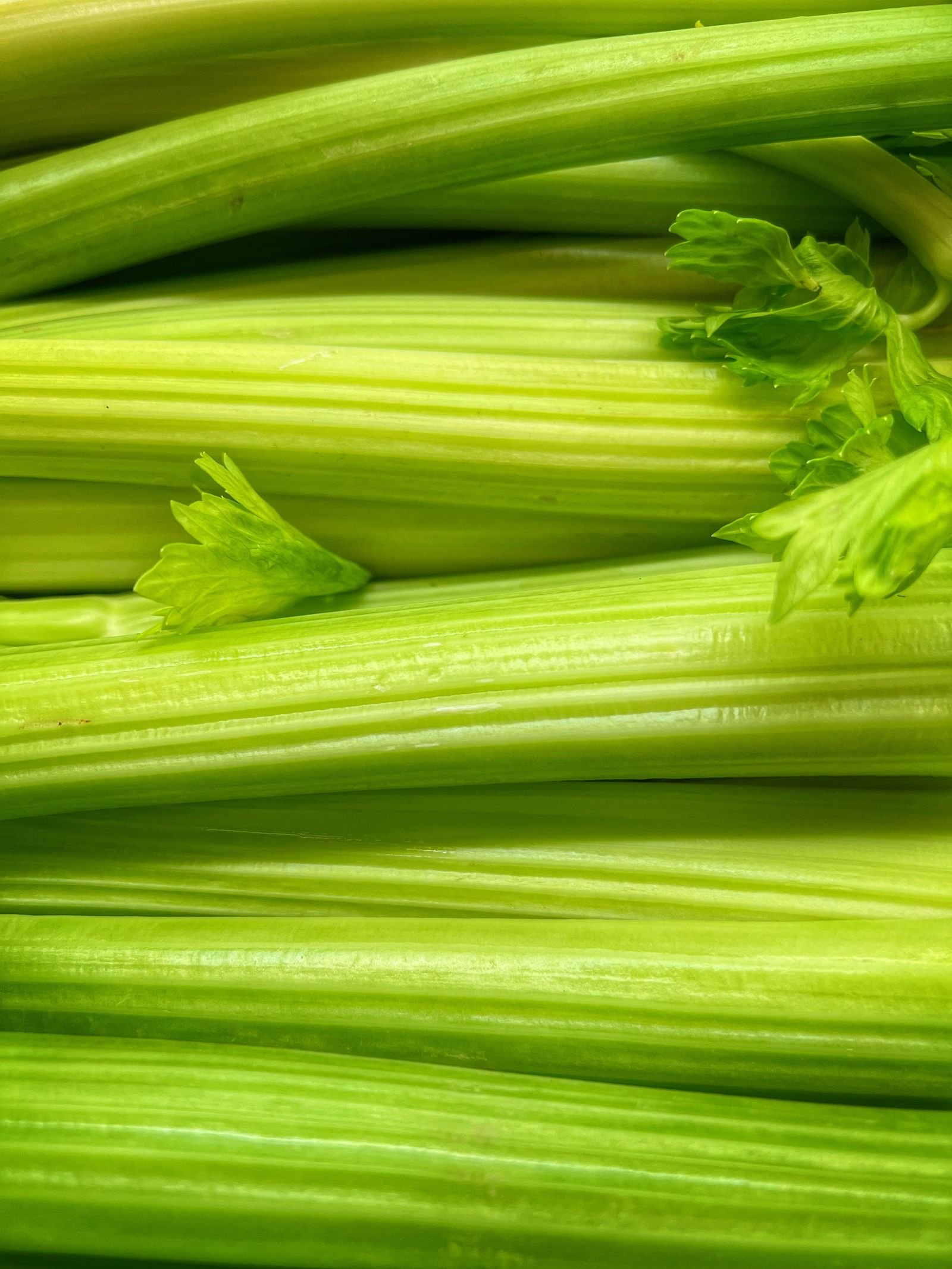
You know the scene. You buy a bright green bunch of celery on Saturday, full of plans for soups, salads and crunchy snacks, and by Wednesday it has gone soft, bendy and sad in the crisper drawer. Learning how to keep celery fresh in the fridge longer is not about a clever gadget or a pricey container. It comes down to one simple fact: celery is mostly water, and it loses that water fast once it leaves the shop. Give it back the moisture it craves, keep the air moving just enough, and a single bunch can stay crisp for two weeks or more. This guide puts the three methods every British kitchen can use side by side, so you can pick the one that fits your fridge and your cooking habits, and stop throwing limp stalks in the bin.
Why celery goes limp so fast
Celery stalks are about 95 percent water, held inside long plant cells that act like tiny water balloons. The moment a bunch is cut at the farm, those cells start to lose water through the cut ends and through the leafy tops. Your fridge makes the problem worse in one way and better in another. The cold slows down the decay, but the dry air inside a fridge pulls moisture out of anything left uncovered, which is why a loose bunch turns rubbery in a matter of days.
Two more forces work against you. The first is ethylene, a natural gas given off by apples, bananas, pears and avocados as they ripen. Park your celery next to a bowl of apples and it will age noticeably faster. The second is the plastic bag the celery came home in. A sealed bag traps the moisture the stalks give off, and that damp, still air is exactly what mould loves. So the celery faces a trap on both sides: too dry and it wilts, too damp and it rots. The methods below solve that puzzle by giving the stalks steady moisture with just enough airflow.
The Food Standards Agency recommends keeping your fridge between 3 and 5 degrees Celsius, and that range matters here too. A fridge running warmer than 5 degrees lets bacteria and mould grow faster, while a fridge set too cold can chill damage the leaves. Check your fridge temperature with a cheap thermometer if you have never tested it. It is the single easiest upgrade for everything in your fridge, not just celery.
Start with a fresh bunch
Storage can only protect the freshness you buy, so the shop is where good celery storage really begins. A fresh bunch feels heavy for its size and the stalks snap cleanly when you bend one. The leaves should be bright green and perky, not yellow or wilted, and the cut base should look pale and clean with no brown or slimy patches. If the outer stalks feel rubbery or the bunch smells sour, leave it on the shelf.

Loose heads usually beat the ready cut packs sold in plastic trays. The packs look handy, but the stalks inside have already been cut, washed and sealed, which means they have lost moisture and picked up surface water at the same time. A whole head costs less per stalk in most supermarkets, and it will outlast a pack by days if you store it well. If you do buy a pack, open it as soon as you get home and move the stalks into one of the methods below rather than leaving them sealed in the tray.
Check the date on the bag if there is one, and give the bunch a gentle squeeze. Firm stalks all the way down mean the cells are still full of water. Soft spots near the base are the first sign that the bunch is already on its way out, and no storage trick will bring those stalks back. Buy the firmest bunch you can find and you have already won half the battle.
Method 1: the foil wrap
The foil wrap is the simplest method of the three, and for most households it is the best place to start. Wrap the whole bunch snugly in aluminium foil, then lay it in the crisper drawer of your fridge. That is the whole method, and it works because foil does two jobs at once: it holds moisture close to the stalks while still letting the ethylene gas escape through the tiny gaps in the wrap. Plastic wrap cannot do this, because it seals the gas in with the moisture.
Trim the very base of the bunch first if it looks dry or brown, then wrap from the base upward so the leaves sit loosely at the top. Do not wash the celery before you wrap it. Extra water on the surface feeds mould, and you can wash the stalks properly when you are ready to use them. A bunch stored this way commonly stays crisp for two to four weeks, which is far longer than most people expect from a vegetable that costs about a pound.
This method suits cooks who use celery a stalk at a time across the week for soups, stews and stir fries. You unwrap what you need, rewrap the rest, and the bunch carries on. The only real cost is a sheet of foil, and you can reuse the same sheet for the next bunch if it is still clean and dry. Keep the wrapped bunch away from apples and bananas in the drawer, and it will reward you with a clean snap every time you break off a stalk.
Method 2: the water jar
The water jar method treats celery the way you would treat a bunch of cut flowers, and it gives the longest life of the three methods. Trim about a centimetre off the base of each stalk, then stand the stalks upright in a tall jar or jug with about 5 centimetres of cold water in the bottom. Drape a loose food bag over the leafy tops to hold in a little humidity, and pop the whole jar on a fridge shelf.
The science is simple. The cut ends drink the water back up into the cells, refilling the stalks from the inside, while the loose bag keeps the leaves from drying out in the fridge air. Change the water every two to three days and give the jar a quick rinse so bacteria cannot build up. With that small routine, celery kept in a water jar can stay crisp for up to three weeks, and stalks that arrived slightly soft often firm up again within a day.
The trade off is space. A tall jar needs a full shelf height, so measure your fridge before you commit. The jar also needs to sit upright and steady, so a jug with a wide base works better than a narrow glass. This method is the one to choose when you buy celery for a specific recipe later in the week, or when you want the longest possible life from a single bunch. It is also the most satisfying method to watch, because you can see the stalks perk up overnight.
Method 3: cut sticks in water
If you eat celery mainly as a snack, or you pack it into lunchboxes, the cut sticks method is the most practical of the three. Wash the stalks well, cut them into sticks about the length of your hand, and drop them into a sealed container filled with cold water. Keep the container in the fridge and change the water every couple of days. The sticks stay crunchy and ready to grab for one to two weeks.
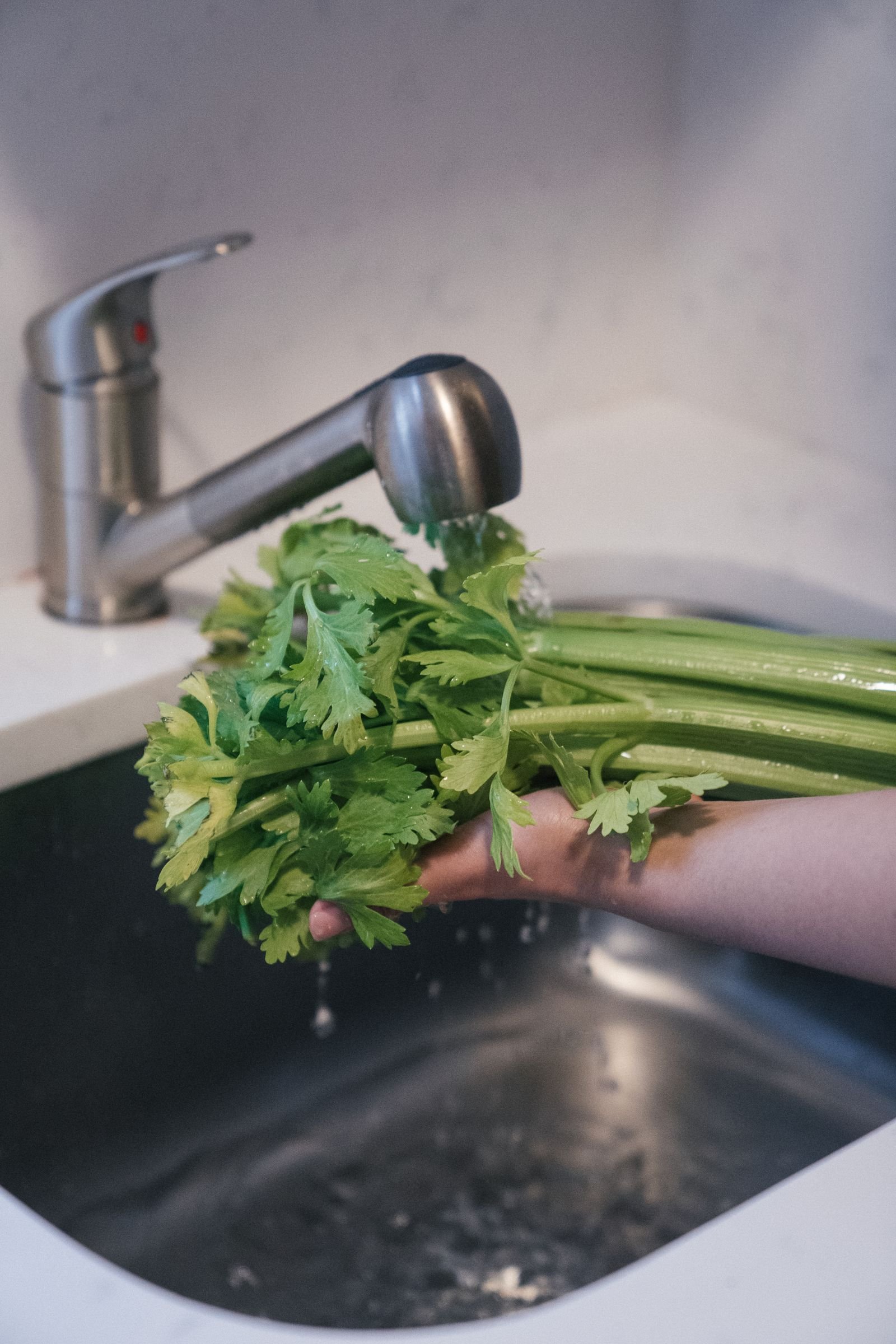
Washing matters more here than in the other methods, because you are storing celery that is already cut. Rinse each stalk under cold running water and rub away any grit caught in the ribs, especially near the base where soil collects. Pat the sticks dry before they go into the container, then cover them fully with fresh cold water. The water acts as a barrier that stops the cut surfaces drying out, which is the main reason cut celery normally goes limp within a day.
This is the method to use when you want celery on hand for dips, peanut butter, or a quick crunch with lunch. It also works well for children, because the sticks are ready the moment the lunchbox opens. The same sealed container thinking works for other foods too, and it is worth reading our guide on how to store miso paste if you keep other fresh ingredients that need steady, cool storage.
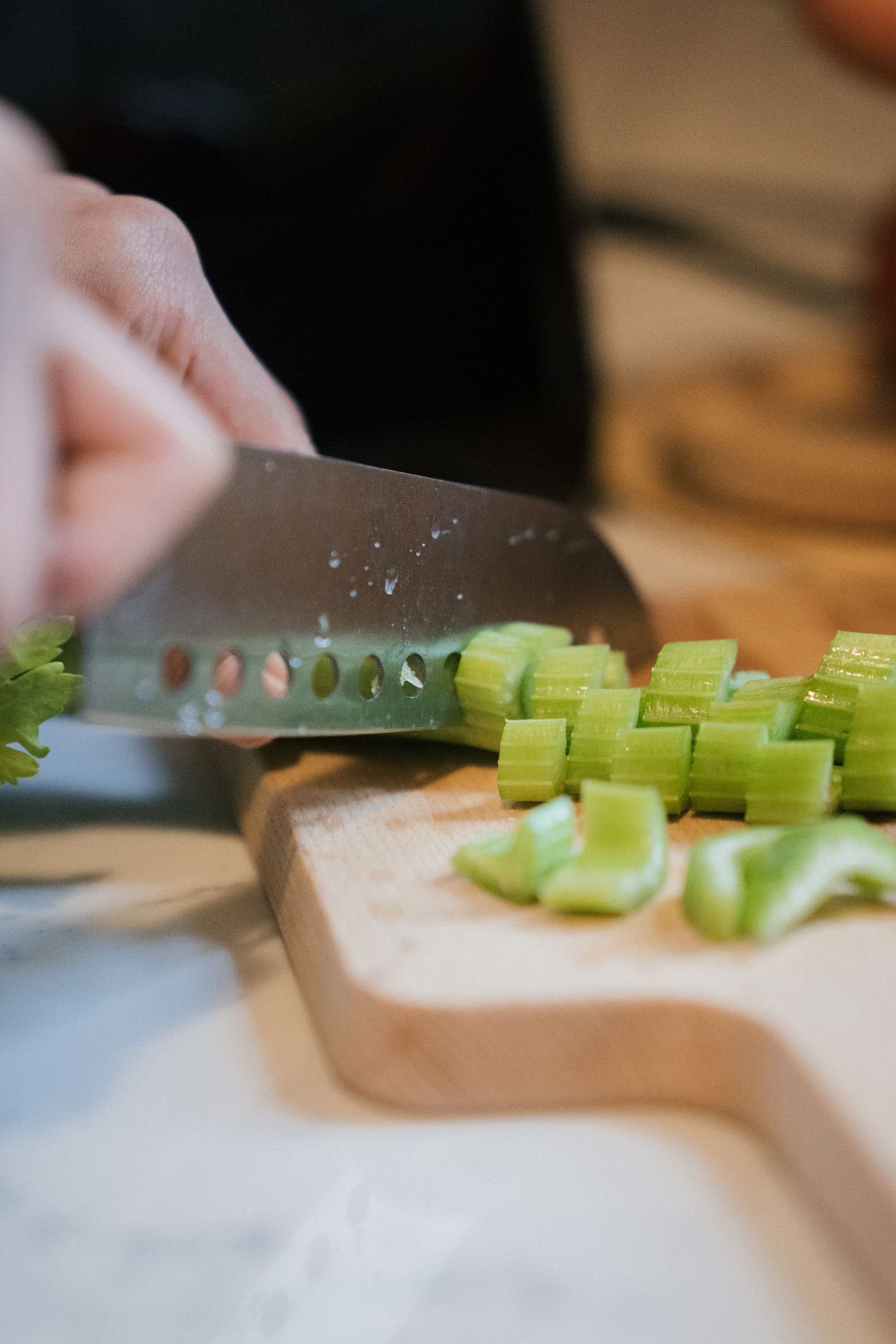
One caution: do not cut more celery than you will eat within a week or so. Cut surfaces age faster than whole stalks, even underwater, so this method trades a little total life for a lot of convenience. If a stick turns slimy or the water smells off, throw the whole batch away and start fresh. Clean water and a clean container are what make this method safe, so never top up old water, always replace it.
How to keep celery fresh in the fridge longer: which method wins
The honest answer is that the best method is the one you will actually keep up. Whatever your routine, the goal of learning how to keep celery fresh in the fridge longer stays the same: steady moisture, a little airflow, and a cold fridge. The foil wrap wins on simplicity and cost, and it keeps a whole bunch crisp for two to four weeks with almost no effort. The water jar wins on total life, stretching a bunch to three weeks and even reviving stalks that have started to soften. The cut sticks method wins on convenience, because the celery is washed, cut and ready whenever hunger strikes.
Think about how you cook. If celery is a background ingredient that goes into a stew on Sunday and a soup on Thursday, wrap it in foil and forget about it. If you buy a bunch for a recipe next weekend and want it perfect on the day, stand it in a water jar. If your household snacks on celery with dips, or you pack lunchboxes every morning, keep a container of cut sticks in the fridge and refill it when it runs low. Many good cooks use two methods at once: foil for the whole bunch and a small container of sticks for snacking.
Whichever method you pick, the same three rules apply. Keep the celery cold, between 3 and 5 degrees Celsius. Keep it away from fruit that gives off ethylene. And check on it every few days, because a single soft stalk left in the bunch can spread mould to its neighbours. A quick look and a sniff once or twice a week takes ten seconds and saves the whole bunch.
Mistakes that ruin celery
Most celery is ruined by habits that feel sensible but work against the vegetable. Leaving it in the plastic bag from the shop is the most common mistake. The bag traps moisture and ethylene together, and the stalks turn slimy within days. Washing the bunch before storage is another one. Wet leaves in a cold fridge are an open invitation to mould, so always wash celery just before you use it, not before you store it.
Storing celery in the fridge door is a quiet killer too. The door is the warmest part of the fridge and its temperature swings every time the door opens. Celery stored there dries out faster and ages unevenly. The crisper drawer or a middle shelf is always a better home. The same care applies to the rest of your fridge, and if yours has a lingering smell, our guide on why your fridge smells even after cleaning explains how to track down the cause.
Other mistakes are smaller but still costly. Cutting the whole bunch into sticks on shopping day wastes its life if you will not eat it for a week. Storing celery next to onions can pass on strong flavours. Forgetting the bunch at the back of the drawer for a month is a waste of good food and good money. A little attention once a week is all it takes to avoid every one of these traps.
How to rescue limp celery
Limp celery is not always lost celery. If the stalks are bendy but still green and free of slime or sour smells, an ice water bath can bring them back. Trim a centimetre off the base of each stalk, then stand them in a jug of ice cold water for 30 minutes. The cells drink the water back in and the stalks firm up, often enough to snap again. Pat them dry, then store them using one of the methods above rather than leaving them loose in the drawer.
This rescue works best on stalks that went limp from drying out, which is the most common cause. It will not help celery that has turned slimy, brown or sour, because that is rot rather than dehydration, and rotten stalks belong in the food waste bin. Check each stalk separately. A bunch often has one or two stalks that are past saving while the rest are fine, and removing the bad ones protects the good ones.
The ice bath trick also works on other salad vegetables that have gone soft, including lettuce and spring onions, so it is worth remembering. Just be sure to change the water and dry the stalks well afterwards. A rescued bunch should be used within a few days, because it will not keep as long as a bunch that never went limp in the first place.
How long does celery last in the fridge
Life span depends on the method you choose and the freshness of the bunch when you bought it. As a rough guide, a whole bunch wrapped in foil lasts two to four weeks. A bunch standing in a water jar lasts up to three weeks. Cut sticks kept under water last one to two weeks. A loose bunch left in the crisper drawer with no wrapping lasts only three to five days, which shows how much difference a little care makes.
Cooked celery keeps for three to four days in a sealed container in the fridge, and it should be reheated until it is piping hot all the way through. Celery that has been in a soup or stew follows the same rule as the dish it is part of, so eat it within a few days. If you are unsure whether celery is still good, trust your senses. Firm stalks with a fresh green smell are fine. Slimy, brown or sour smelling stalks are not, and the safest choice is to throw them away.
Freezing celery for later
Freezing is a good option when you have more celery than you can eat fresh, but it changes the texture. Frozen celery goes soft when it thaws, so it works well in soups, stews and sauces, and badly as a raw snack. Wash and chop the stalks, blanch them in boiling water for three minutes, then plunge them into a bowl of ice water to stop the cooking. Drain them well, pat them dry, and freeze them flat in a sealed bag.
Frozen celery keeps for up to six months, and you can tip it straight from the freezer into a hot pan with no need to thaw it first. Label the bag with the date so you know how long it has been there. The celery leaves can be frozen too, and they make a useful addition to stock, so do not throw them away. A little effort on freezing day means you will always have celery ready for a soup, even when the shops are closed.
Conclusion
Learning how to keep celery fresh in the fridge longer comes down to three ideas that are easy to remember. First, buy a firm bunch and keep it away from fruit that gives off ethylene. Second, give the stalks steady moisture with a little airflow, using foil, a water jar, or a container of cut sticks in water. Third, check the bunch every few days and use the limp celery rescue trick before a soft stalk turns into a wasted one. Pick the method that fits the way you cook, keep your fridge between 3 and 5 degrees Celsius, and a single bunch of celery can stay crisp for two weeks or more. That is less waste, less money thrown away, and a crunchy stalk ready whenever you need one.
Frequently asked questions
Can you keep celery in water in the fridge?
Yes, and it is one of the best ways to store it. Stand whole stalks upright in a jar with about 5 centimetres of cold water, or keep cut sticks fully covered in a sealed container of water. Change the water every two to three days to keep it fresh and stop bacteria building up.
How long does celery last in the fridge?
A whole bunch wrapped in foil lasts two to four weeks, and a bunch in a water jar can last up to three weeks. Cut sticks in water last one to two weeks. A loose bunch with no wrapping lasts only three to five days, so the storage method makes a big difference.
Should you wash celery before storing it?
No, do not wash celery before you store it. Extra water on the leaves feeds mould in the cold fridge. Store the bunch dry, then wash each stalk under cold running water just before you use it.
Can you freeze celery?
Yes, but only for cooking. Blanch chopped celery for three minutes, cool it in ice water, drain it well and freeze it flat in a sealed bag. It keeps for up to six months and works well in soups and stews, but it goes too soft for raw snacking.
Why does celery go limp in the fridge?
Celery goes limp because it loses water from its cells into the dry fridge air. Wrapping it in foil, standing it in a water jar, or keeping cut sticks under water all slow that water loss. A 30 minute soak in ice cold water can often firm limp stalks up again.

1 Comment
Pingback: Get Rid of Ants in the Kitchen Without Chemicals