
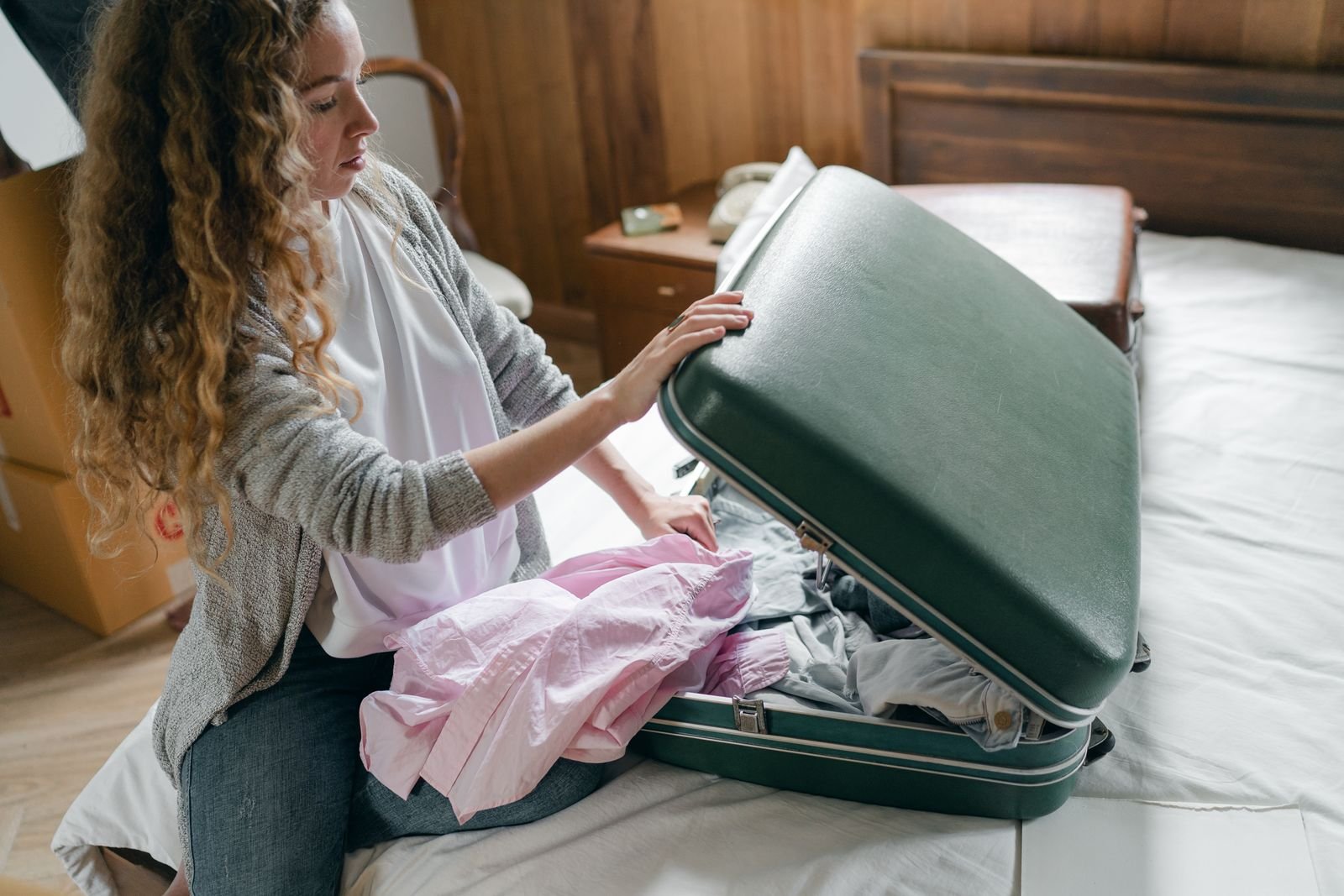
Picture the scene at the airport. The carousel stops, the last bags come around, and yours is not among them. Your week starts with a lost bag report, a trip to a drugstore for a toothbrush, and a suitcase that turns up two days later, if it turns up at all. Learning how to pack a carry on bag for a week changes that whole story. One bag, carried onto the plane with you, means no checked bag fee, no wait at the carousel, and no worry about whether your clothes made the same flight you did. It sounds tight for seven days, but it works, because the secret is not a bigger bag. It is a smaller wardrobe that mixes and matches, a packing method that uses every inch, and one wash in the middle of the trip. This guide walks through the whole system, from airline size limits to the night before checklist, so you can travel with one bag and still feel dressed for every day of the week.
Why one bag changes the whole trip
Most US airlines now charge 35 to 40 dollars each way for a checked bag, so a round trip can cost 70 to 80 dollars before you have even left the ground. That money buys a nice dinner at your destination instead. One bag also saves time. You walk off the plane and head straight for the exit, while other passengers crowd around the carousel. On a short trip, that can save an hour at each end. On a trip with a tight connection, it can save the whole journey, because a bag that never leaves your side cannot miss a connection.
There is a calmer reason too. Traveling light changes how you move through a trip. You can take the stairs instead of hunting for an elevator, hop on a bus instead of waiting for a taxi with a big trunk, and walk to a hotel a few blocks from the station without dragging a heavy case over broken sidewalks. A single carry on bag fits in an overhead bin, under a train seat, or in the corner of a small hotel room. You stop planning your days around your luggage, and your luggage starts serving your plans instead.
None of this means suffering for a week. A well packed carry on holds seven days of outfits, toiletries, tech, and a little room for souvenirs, as long as every item earns its place. The rest of this guide shows you how to choose those items, how to fit them in, and how to keep them fresh all week. Start with the rules, because a bag that breaks the rules gets checked at the gate, and that defeats the whole point.
Know your airline rules before you pack
Every airline sets its own carry on rules, and the details matter more than the general idea. A bag that fits on one airline can be too big for the next, and a fare that includes a carry on bag on one ticket can exclude it on another. Check the baggage page of the airline you actually booked, for the fare you actually bought, before you pack a single thing. Write down the size limit, the weight limit if there is one, and whether a personal item is included. That one page of research saves an argument at the gate.
US carry on size limits
Most major US airlines, including American, Delta, and United, allow a carry on bag up to 22 by 14 by 9 inches, wheels and handles included. That size holds about 40 to 45 liters, which is plenty for a week when you pack the way this guide describes. Southwest allows a similar size, and Frontier allows a carry on of the same size on most fares. Budget carriers can be stricter, and international carriers often set lower weight limits, so always check the smallest allowance on your trip and pack to that, not to the most generous one.
Measure your bag at home with a tape measure, wheels and handles included, because the number on the tag is not always the true size. A soft sided bag is more forgiving than a hard shell, because it can squeeze a little into an overhead bin or a sizer box at the gate. If your bag is already at the limit when it is empty, it will be over the limit when it is full, so choose a bag with a little room to spare. Weigh the packed bag too. Most US domestic flights have no carry on weight limit, but many international flights cap it at 15 to 22 pounds, and a gate agent can ask you to check an overweight bag.
Watch out for basic economy fares. On some United basic economy tickets, for example, only a personal item is allowed on domestic routes, and a full size carry on bag costs extra or is not allowed at all. If you booked the cheapest fare, read the fine print before you assume a carry on is included. The personal item, usually a backpack, purse, or laptop bag that fits under the seat, is your second bag, and it is where your valuables, medicines, and in flight essentials should live.
The TSA liquids rule in plain English
The TSA liquids rule is the part of carry on packing that catches the most people, and it is simple once you know it. Every liquid, gel, cream, paste, and spray in your carry on must be in a container of 3.4 ounces or less, and all of those containers must fit inside one clear quart size bag, with one bag per person. Toothpaste, sunscreen, shampoo, contact solution, and hand cream all count. Solid items do not count, which is why this guide leans on solid toiletries wherever it can.
Pack the quart bag at the top of your carry on, or in the outside pocket, so you can pull it out in seconds at security. If a screener has to dig through your clothes to find it, the line behind you will not thank you. Refill small travel bottles at home instead of buying new ones for every trip, and label them so you know what is inside. Many hotels provide shampoo, conditioner, and soap, so skip anything your hotel already supplies and save the space for things you cannot buy at your destination.
Medicines and baby food follow different rules, and you can carry larger amounts when you need them, but keep them in their original packaging and declare them at the checkpoint if asked. A small pill organizer for daily medicines fits easily in your personal item and keeps them with you even if your carry on is gate checked. Never pack medicines, passports, or valuables in a bag you might have to hand over at the gate.
How to pack a carry on bag for a week: build a capsule that mixes
Here is the heart of the whole system. A week in a carry on does not work if you pack seven separate outfits, one for each day. It works when you pack a small set of pieces that all work together, so every item earns its place several times over. Think of it as a capsule wardrobe: a handful of tops, a couple of bottoms, one layer, and shoes that go with everything. With that set, you can build a fresh looking outfit every day without carrying a fresh outfit every day.
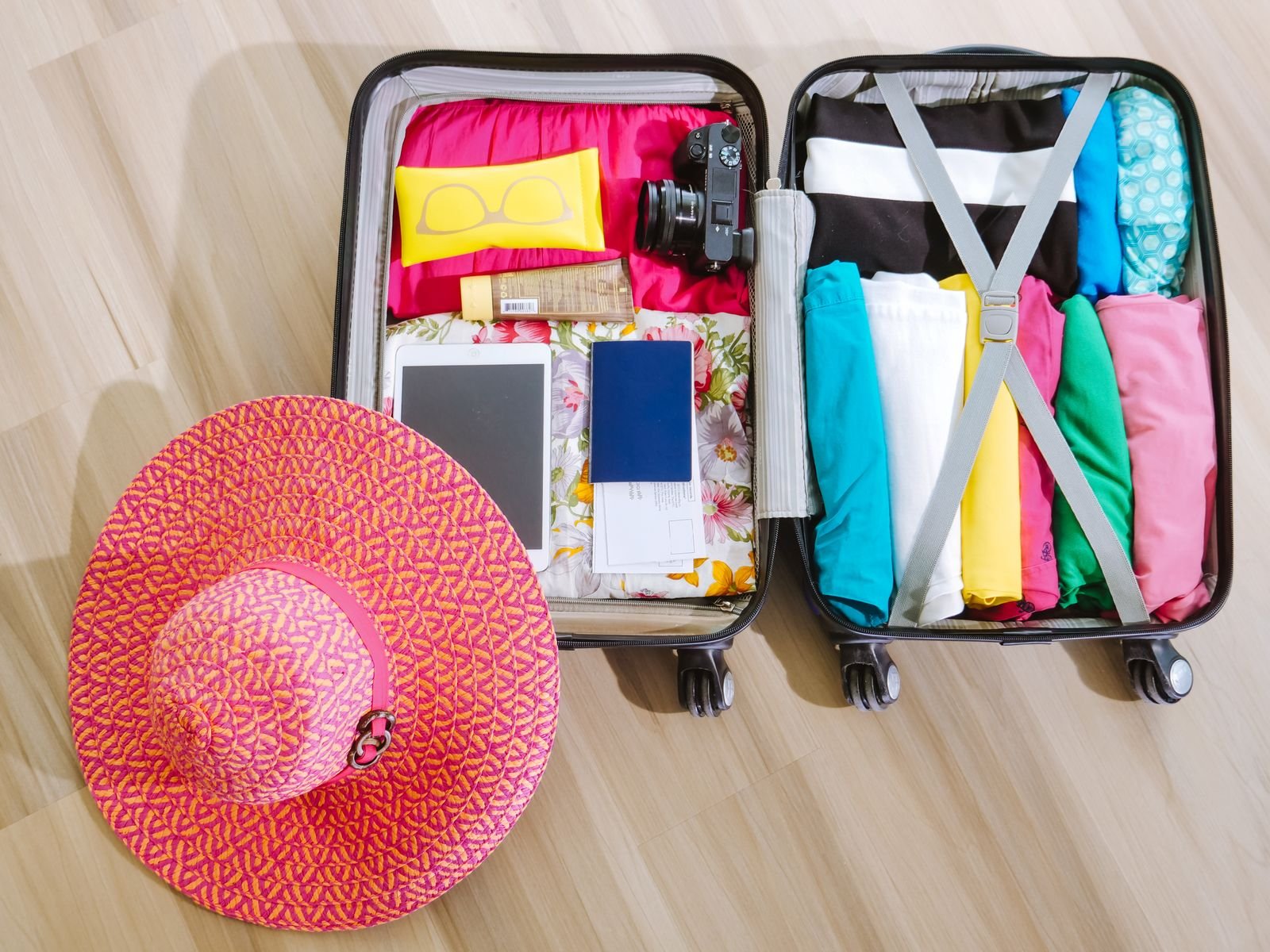
Start by laying everything you want to bring on the bed. Then take two items away. Almost everyone overpacks by at least two items, and the bed test makes the extras obvious. Hold each piece up and ask two questions. Does it go with at least two other pieces in the pile? And will I wear it more than once this week? If the answer to either question is no, it stays home. A dress that only works with one pair of shoes, or a shirt that only matches one pair of pants, is a luxury a carry on cannot afford.
Build your outfits on paper before you pack. Lay out the pieces, photograph each combination with your phone, and count the outfits you can make. If you cannot see seven days of outfits in the pile on your bed, you do not have a packing problem, you have a choosing problem. Fix it now, while the closet is still open, not at the hotel on day three when you realize you brought three tops that all clash with your only pair of pants.
The simple clothing count that works
For a moderate climate week, a reliable starting count is five tops, two or three bottoms, one light layer, one sleep set, and underwear and socks for four days, with a wash in the middle of the week. That count includes what you wear on the plane, so you pack less than the numbers suggest. Five tops times two bottoms already gives you ten combinations, and the layer changes the look again. Add one dressy piece, a smart shirt or a simple dress, and you are covered for a nice dinner too.
Choose fabrics that forgive a week in a bag. Merino wool tops resist odors so well that you can wear one for two or three days without it smelling stale, and they dry overnight after a sink wash. Synthetic blends and lightweight cotton also work, but heavy cotton holds moisture, wrinkles easily, and takes a long time to dry. Avoid linen for a carry on week unless you love the wrinkled look, because it will arrive looking like it slept in the bag, which it did.
Underwear and socks deserve more thought than they usually get. Pack four or five pairs of quick dry underwear and socks, and wash them in the sink midweek. Stuff socks inside your shoes to save space and to help the shoes keep their shape. A sleep set can double as a lounge set for lazy mornings, so pick something comfortable enough to wear to breakfast in a pinch.
Pick one color palette
Color is what makes a small wardrobe feel big. Pick two neutral colors, such as navy and gray, or black and khaki, plus one accent color that lifts the whole set. Every top should work with every bottom, and every layer should work over every top. When the palette is tight, ten pieces can make twenty outfits. When every piece is a different color, ten pieces make ten outfits, and most of them look wrong.
Test the palette before you pack. Lay the pieces in a row and look at them as a group. If one piece clashes with everything else, swap it for a version in one of your palette colors. The accent color is where your personality shows: a rust scarf, a teal top, a burgundy sweater. One or two accent pieces are enough. A whole bag of bright colors is hard to combine, and you will end up wearing the same safe outfit every day while the bright pieces stay folded.
Shoes follow the same rule. Bring two pairs at most, and wear the bulkier pair on the plane. One comfortable walking pair and one smarter pair cover almost every week. Make sure both pairs work with your palette, or you will be stuck with shoes that match nothing. Pack the second pair in a shoe bag or a plastic bag at the bottom of the case, soles facing out, with socks stuffed inside them.
Roll, fold, and cube: the packing methods that work
Once you have chosen what to bring, the question becomes how to fit it in. Three methods do most of the work, and the best packers use all three together. Roll soft items, fold structured items, and use packing cubes to keep the whole thing organized. No single method wins on its own, because each one suits different clothes. The combination is what squeezes a week into 22 inches.
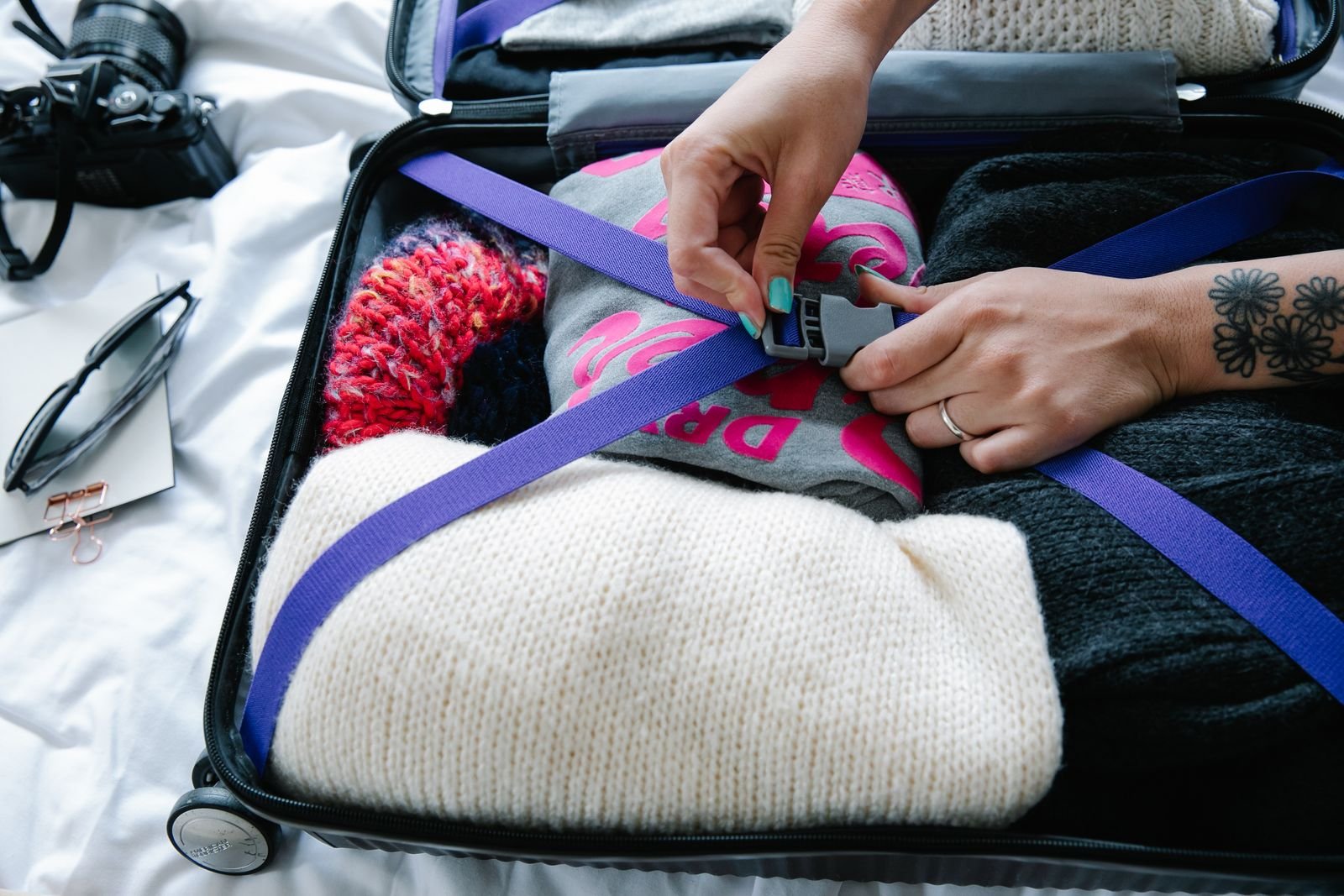
Start with the heaviest items at the bottom of the case, closest to the wheels, so the bag stays stable when you roll it. Shoes go along the bottom edge, then heavier layers, then cubes of clothes on top. Keep the quart size liquids bag and anything you need on the plane at the very top, so you can grab them without unpacking. When the case is full, close it, lift it, and carry it around the room. If it feels awkward or top heavy, open it and rebalance before you leave the house.
Roll soft clothes to save space
Rolling works best for tee shirts, knit tops, leggings, underwear, and casual dresses. Lay each item flat, fold the sleeves inward, and roll it tightly from the bottom up, like a sleeping bag. Rolled clothes take up less space than folded clothes, they resist wrinkles better than a flat stack, and you can see every roll at a glance when you open the case. Stack the rolls side by side like logs, and they will hold each other in place.
Rolling has limits. Do not roll a blazer, a structured shirt, or dress trousers, because they will arrive creased in ways that no hotel iron can fully fix. Roll only the soft things, and keep the rolls tight. A loose roll is just a folded shirt with extra steps. If a roll starts to unroll in the case, a packing cube will hold it in place, which is one more reason cubes earn their space.
Fold structured pieces flat
Blazers, button down shirts, and dress trousers should be folded flat, not rolled. Lay a blazer face down, fold the sleeves across the back, then fold it in half once, and place it on top of the rolled clothes. Button down shirts fold the same way, with tissue paper or a dry cleaning bag between the folds to cut down on creases. Dress trousers fold along the crease and lie flat across the top of the case.
Pack structured pieces last, on top of everything else, so nothing heavy crushes them. If you only have one structured piece, that is easy. If you have two or three, they will still fit, but they will take up the top layer of the case, so keep the rest of the packing slim. A garment folder, a flat zip pouch made for shirts, can keep them smooth and is worth the small amount of space it takes.
Packing cubes and compression bags
Packing cubes are the single most useful packing accessory for a carry on week. Use one cube for tops, one for bottoms, and a small one for underwear and socks. Cubes do not create space out of nothing, but they compress soft clothes a little, they keep categories separate, and they mean you never have to unpack everything to find one shirt. When you reach the hotel, you can lift the cubes straight into a drawer and live out of them all week.
Compression cubes go a step further, with a second zipper that squeezes the air out after the first zipper closes. They are best for bulky layers like sweaters and hoodies. Vacuum bags save even more space, but they need a vacuum or a pump to reseal them, which makes them awkward on the way home. For most trips, a set of three or four simple cubes is enough, and they weigh almost nothing. Choose cubes in different colors or label them, so you know which cube holds what without opening each one.
Small zip bags handle the odds and ends. A zip bag for chargers and cables, one for medicines, and one for the quart size liquids bag keeps the case tidy and saves you from digging. A foldable tote, packed flat at the bottom of the case, is useful on the way home for souvenirs, snacks, or laundry. It weighs almost nothing and it has saved many a trip from an overstuffed carry on at the return flight.
Shoes, toiletries, and tech: the space eaters
Shoes are the bulkiest thing most people pack, so they deserve a strict rule: two pairs, no more. Wear the heavier pair on the plane, whether that is walking shoes, boots, or trainers, and pack the lighter pair. If your trip includes a beach, a hike, or a formal dinner, choose the second pair for that one event and accept the trade off. A third pair of shoes is almost always the reason a carry on will not close.
Toiletries are the second space eater, and the fix is to go solid wherever you can. Solid shampoo bars, solid conditioner, stick deodorant, and a bar of soap do not count toward the liquids limit, they cannot leak in your bag, and they last for weeks. Toothpaste tablets are another good swap, and they take up almost no room at all. Decant anything you must carry as a liquid into small bottles of 3.4 ounces or less, and leave the full size bottles at home.
Tech is the third space eater, and it is also the heaviest. Bring only the devices you will actually use, and one charger per device, with a short cable each. A small power bank is worth its weight on a long travel day, and it should live in your personal item, not in the carry on, because spare batteries must stay in the cabin with you. If you work on the trip, a laptop and its charger are enough. Leave the tablet, the e reader, and the spare headphones behind unless you know you will use them every day. Clothes that come out of a tight bag can look creased and tired, and synthetic fabrics can build up static in dry cabin air, so our guide on how to get rid of static cling without dryer sheets is a handy companion for this kind of packing.
Plan one wash in the middle of the week
One wash is the secret that makes a week in a carry on possible. You do not pack for seven days, you pack for four days and wash once. That single wash cuts the clothes you need almost in half, and it is the difference between a bag that closes easily and a bag you have to sit on. Plan the wash for day three or four, when the first set of clothes is used up and the second set is still fresh.
A sink wash is easy with quick dry fabrics. Fill the sink with warm water and a little detergent, or a few drops of shampoo in a pinch, and soak the underwear, socks, and light tops for fifteen minutes. Rinse them well, roll each piece in a towel and press the water out, then hang them to dry. Merino wool and synthetic tops will usually be dry by morning. Cotton takes longer, so wash cotton early in the day and give it a full day to dry. Never leave wet clothes in a pile, because they will smell damp and musty by morning. If clothes do pick up a damp smell while drying indoors, our guide on how to stop clothes smelling damp when drying indoors explains how to fix it.
Hotel laundry is another option, and it is worth the price on a longer trip or a business trip. Ask at the front desk about same day service and the price per item before you send anything, because hotel laundry can be expensive. A laundromat near the hotel is cheaper and faster, and many have wash and fold service that returns your clothes clean and folded within a few hours. Pack a small zip bag with a little detergent and a sink stopper, so you can wash anywhere, even in a hotel room with no laundry facilities at all.
What to wear on the plane
What you wear on the plane is part of the packing plan, not an afterthought. Wear your bulkiest items: the heaviest shoes, the thickest sweater, the coat or jacket, and the heaviest pair of pants. That can free up a surprising amount of room in the bag, and it keeps you warm on a cold plane. Layering is the key, because cabin temperatures swing from warm on the ground to cool at cruising altitude, and you can add or remove a layer as needed.
Choose comfortable clothes for the flight. Soft stretchy pants, a breathable top, and a layer you can use as a blanket all beat stiff formal clothes on a long flight. Compression socks help on flights over a few hours, because they support circulation and reduce swelling in your legs. Keep your passport, phone, wallet, headphones, and a water bottle in your personal item, so you can reach them without opening the overhead bin.
Wear clothes with pockets, or carry a small cross body bag that fits inside your personal item. A phone, a boarding pass, and a lip balm in a pocket mean you are not digging through a bag in the aisle while people wait behind you. When you land, you can change into a fresh top in the airport restroom if you want to arrive looking sharp, and the top you flew in can go straight into the laundry pile.
Packing mistakes that force a checked bag
Most carry on failures come from a few common mistakes, and all of them are easy to avoid. The first is packing for every possible scenario instead of the trip you are actually taking. You do not need a raincoat, a swimsuit, hiking boots, and a formal outfit for a four day city trip in May. Check the forecast, check the itinerary, and pack for the weather and the plans you have, not the ones you might have.
The second mistake is packing full size toiletries. A full size shampoo bottle is a waste of space and weight, and it will probably be confiscated if it is over 3.4 ounces. Decant, go solid, or buy what you need at your destination. The third mistake is bringing too many shoes, which we covered above, but it is worth repeating: shoes are the number one reason carry on bags fail the sizer test at the gate.
The fourth mistake is folding everything the same way. Soft clothes should be rolled, structured clothes should be folded flat, and cubes should keep the categories apart. A bag packed with one method for everything wastes space and wrinkles clothes. The fifth mistake is forgetting the personal item. If your carry on is full, your personal item can hold the overflow: a book, a snack, a sweater, and the things you need on the plane. Use both bags as a system, not as two separate problems.
The last mistake is packing in a rush the night before, or the morning of the flight. Rushed packing is how full size bottles, extra shoes, and clothes you never wear end up in the bag. Pack the night before, weigh the bag, measure it, and try the sizer test at home with a tape measure. Then sleep on it, and in the morning take one more item out. Your future self, walking past the carousel with one small bag, will be grateful.
A sample seven day packing list
Here is a complete list for a moderate climate week, built on the counts in this guide. Use it as a starting point and adjust it for your trip, your climate, and your style. The counts include what you wear on the plane, so you pack less than the list suggests.
Clothes: five tops, two bottoms, one light layer such as a sweater or a packable jacket, one dressy piece, one sleep set, four to five pairs of underwear, four pairs of socks, and two pairs of shoes, one worn and one packed. Add one swimsuit if your trip includes a pool or a beach, and one set of workout clothes only if you know you will exercise.
Toiletries in one quart size bag: toothpaste, a small shampoo and conditioner if you do not use solid bars, sunscreen, moisturizer, deodorant, contact solution, and any medicines you need daily. Solid items such as a shampoo bar, a bar of soap, and stick deodorant go outside the liquids bag. Keep a few plasters, pain relief tablets, and any prescription medicines in your personal item.
Tech and documents: phone and charger, laptop and charger if you need it, a power bank, headphones, a book or an e reader, passport or photo ID, boarding pass, hotel confirmations, and a pen. Keep documents in one folder or envelope so you can find them fast. Add a foldable tote, a small laundry bag, a sink stopper, and a little detergent for the midweek wash. That is the whole list. If something is not on it, ask whether you truly need it before it goes in the bag.
How to pack a carry on bag for a week: the night before checklist
The night before you fly, run through this checklist and then stop packing. First, check the airline size and weight limits one more time and measure the packed bag. Second, pull out the quart size liquids bag and make sure every container is 3.4 ounces or less and the bag closes. Third, put your passport, phone charger, medicines, and valuables in your personal item, not in the carry on. Fourth, lay out what you will wear on the plane, including your bulkiest shoes and layers.
Fifth, photograph each outfit combination on your phone so you can remember what goes with what. Sixth, weigh the bag and lift it into an overhead bin shape in your mind: if you cannot lift it comfortably over your head, it is too heavy. Seventh, leave a little empty space, about a fifth of the bag, for the return trip, because you will almost always come home with more than you left with. Eighth, set the bag by the door with your personal item, so the morning is calm and you are not hunting for chargers while the taxi waits outside.
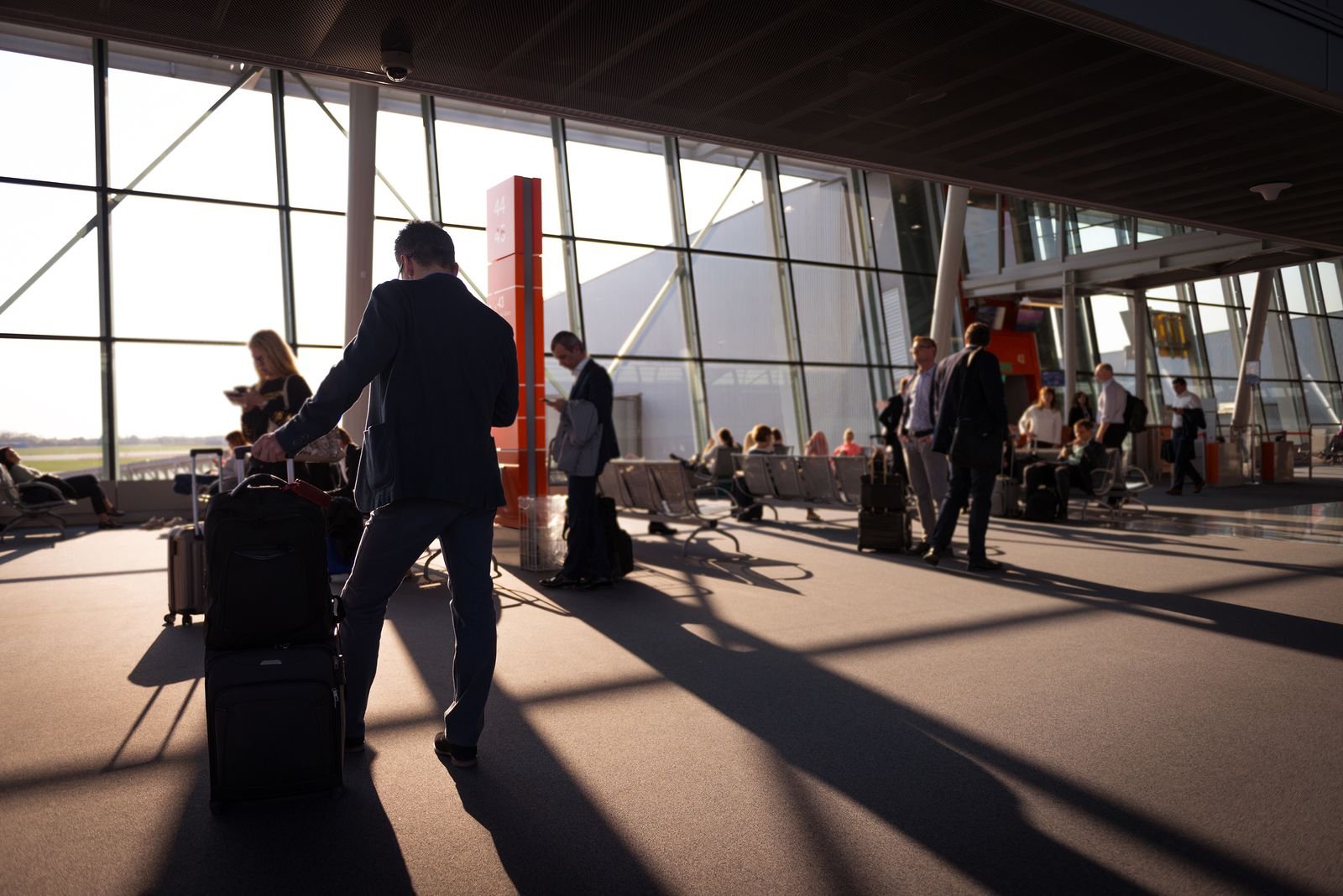
At the airport, the payoff is immediate. You skip the check in line, you breeze through security with your liquids bag on top, and you walk onto the plane with everything you need. In the terminal, travelers with carry on luggage move faster, board earlier, and leave earlier. That is the real reward of this system: not just a smaller bag, but a smoother trip from the front door to the hotel and back again.
Conclusion
Learning how to pack a carry on bag for a week comes down to three ideas that are easy to remember. First, check the rules, and pack to the smallest allowance on your trip, with liquids in small containers inside one clear quart size bag. Second, build a small capsule wardrobe in one color palette, with five tops, two or three bottoms, and one layer, and let every piece work with every other piece. Third, roll the soft clothes, fold the structured ones, use cubes to keep it organized, and plan one wash in the middle of the week so you pack for four days, not seven. Wear your bulkiest items on the plane, keep your valuables in your personal item, and leave a little space for the trip home. Do that, and one bag will carry you through a whole week, with money saved, time saved, and no anxious wait at the carousel. Your next trip can start the moment you land, with everything you need already in your hand.
Frequently asked questions
Can you really pack a week in a carry on bag?
Yes, and most frequent travelers do it routinely. Pack a small capsule of five tops, two or three bottoms, and one layer that all mix and match, wear your bulkiest items on the plane, and plan one wash in the middle of the week. A standard 22 by 14 by 9 inch bag holds about 40 to 45 liters, which is enough for seven days when you pack this way.
What size carry on bag do US airlines allow?
Most major US airlines allow a carry on bag up to 22 by 14 by 9 inches, wheels and handles included. Always check the baggage page for your airline and your fare, because basic economy fares and budget carriers can be stricter, and international flights often add a weight limit of 15 to 22 pounds.
How many clothes do I need for a week in a carry on?
Pack for four days, not seven, and wash once midweek. A good starting count is five tops, two or three bottoms, one light layer, one sleep set, and four to five pairs of underwear and socks. That set makes ten or more outfits when every piece works with every other piece.
What toiletries can I take in a carry on bag?
Liquids, gels, creams, and pastes must be in containers of 3.4 ounces or less, all inside one clear quart size bag, with one bag per person. Solid toiletries such as shampoo bars, bar soap, and stick deodorant do not count toward the liquids limit, so they save space and cannot leak.
Should I roll or fold clothes in a carry on?
Use both. Roll soft items such as tee shirts, knits, and underwear, because rolling saves space and reduces wrinkles. Fold structured items such as blazers and button down shirts flat, because rolling creases them. Packing cubes keep the rolled and folded clothes separate and organized.
