
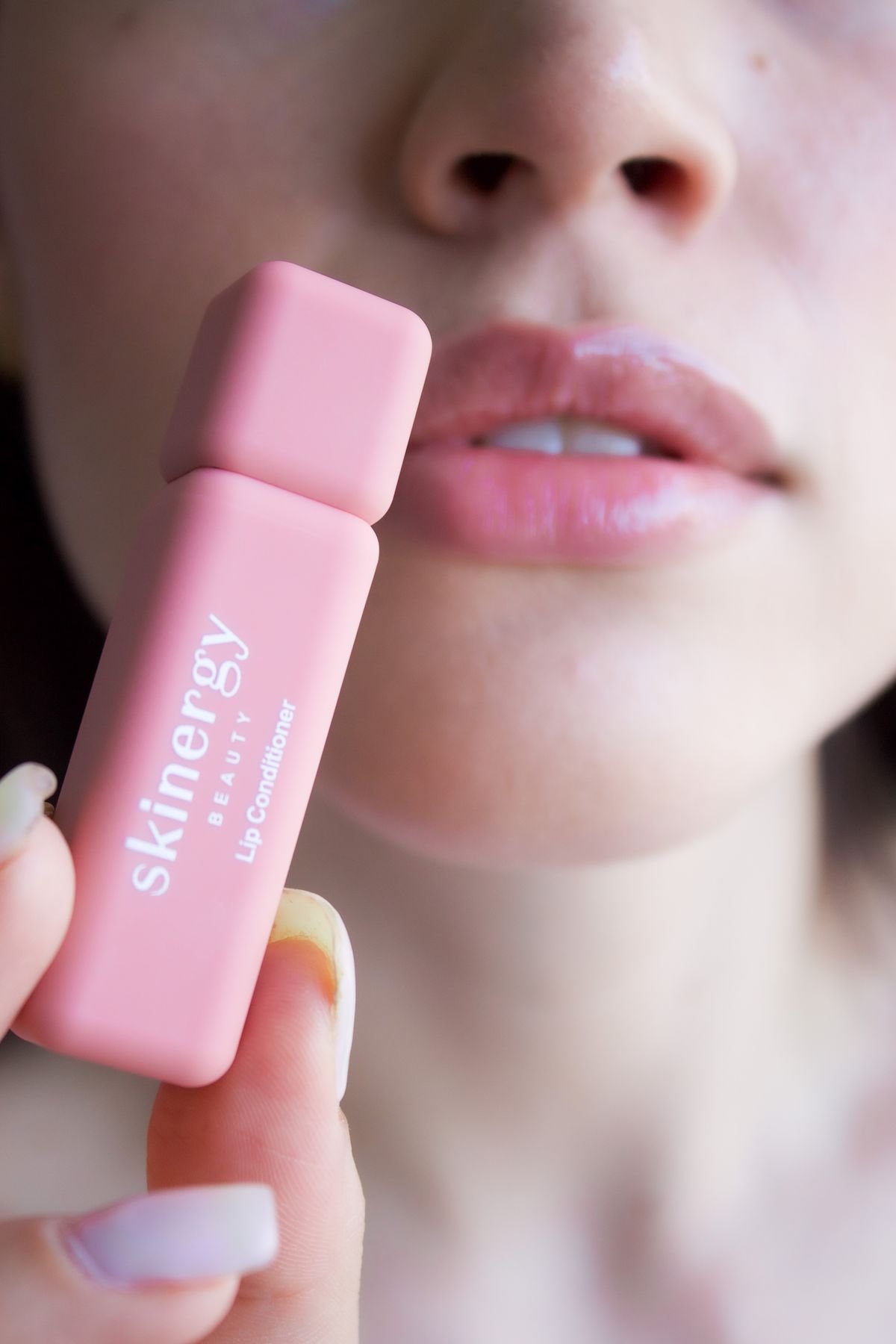
You wake up on a Monday morning and feel it before you see it. A small tingle on the edge of your lip. By lunchtime there is a tiny blister. By Tuesday it is sore, obvious, and impossible to ignore. And of course you have a job interview on Thursday, a wedding on Saturday, or a first date you have been looking forward to for weeks.
That is the real story behind the question of how to get rid of cold sores fast uk. Nobody searches for this out of idle curiosity. They search because a cold sore has arrived at the worst possible moment and they want it gone.
Here is the honest answer first. No cream, patch, or home remedy makes a cold sore vanish overnight. A cold sore usually takes 7 to 10 days to heal on its own. But the first few hours matter more than most people realise. Start the right treatment at the first tingle and you can genuinely shorten the outbreak, sometimes by a day or two, and you can keep it smaller and less painful. Wait until the blister is fully formed and most treatments lose much of their power.
This guide gives you a practical plan for the UK: what to buy from a pharmacy, what to do in the first 48 hours, what to avoid, and how to stop the next one coming back so soon.
What a cold sore is and why timing matters
A cold sore is caused by the herpes simplex virus, the same virus that stays in your body for life after your first infection. Most adults in the UK carry it. It usually sleeps quietly in a nerve near your face. When it wakes up, often after sun, stress, illness, or tiredness, it travels to the skin around your lips and a cold sore appears.
A typical cold sore moves through clear stages. First comes the tingle, itch, or tight feeling, often a day before anything shows. Then small blisters form. Then they burst or weep, then a scab or crust forms, and finally the skin heals underneath. The whole cycle takes about 7 to 10 days if you leave it alone.
That tingle stage is your window. Antiviral cream works by stopping the virus from copying itself, and it can only do that well while the virus is still multiplying fast. Once the blister is fully formed, the virus has already done most of its work, and the cream has far less to act on. That is why the same tube can feel like a miracle one time and useless the next. The difference is usually when you started.
It also helps to know what a cold sore is not. It is not a spot, and it is not caused by being dirty or by bad hygiene. It is a common virus doing what it does, and it can affect anyone.
The first 48 hours: your fastest healing plan
The first two days decide how bad this outbreak gets. If you act quickly and consistently, you give yourself the best chance of a shorter, milder cold sore. Here is the plan, in order.
Start antiviral cream at the first tingle
Buy an antiviral cold sore cream from any UK pharmacy as soon as you feel the tingle. The usual options are aciclovir 5 percent cream, sold under brand names like Zovirax and as cheaper own brand versions, or penciclovir cream, sold as Fenistil. You do not need a prescription for the cream. A tube typically costs around £4 to £7.
Apply a small amount to the sore 5 times a day, roughly every 4 hours while you are awake, for 4 to 5 days. Start as early as you can, ideally before the blister appears. Dab it on gently with a clean fingertip or a cotton bud. Do not rub it in hard. Keep using it even when the sore starts to look better, and finish the course on the pack.
Be realistic about what the cream does. Used early, it can shorten an outbreak by around a day. Used late, it may only soothe the area. Either way it is the single most useful thing you can buy, and it is the treatment the NHS points to first.
Keep the sore clean and protected
Once the blister has formed, your job is to protect it. Wash your hands before and after touching the area. Keep the sore clean with lukewarm water and a gentle cleanser, then pat it dry. Do not pick at the blister or pull off the scab, tempting as it is. Picking opens the skin, invites infection, and adds days to healing.
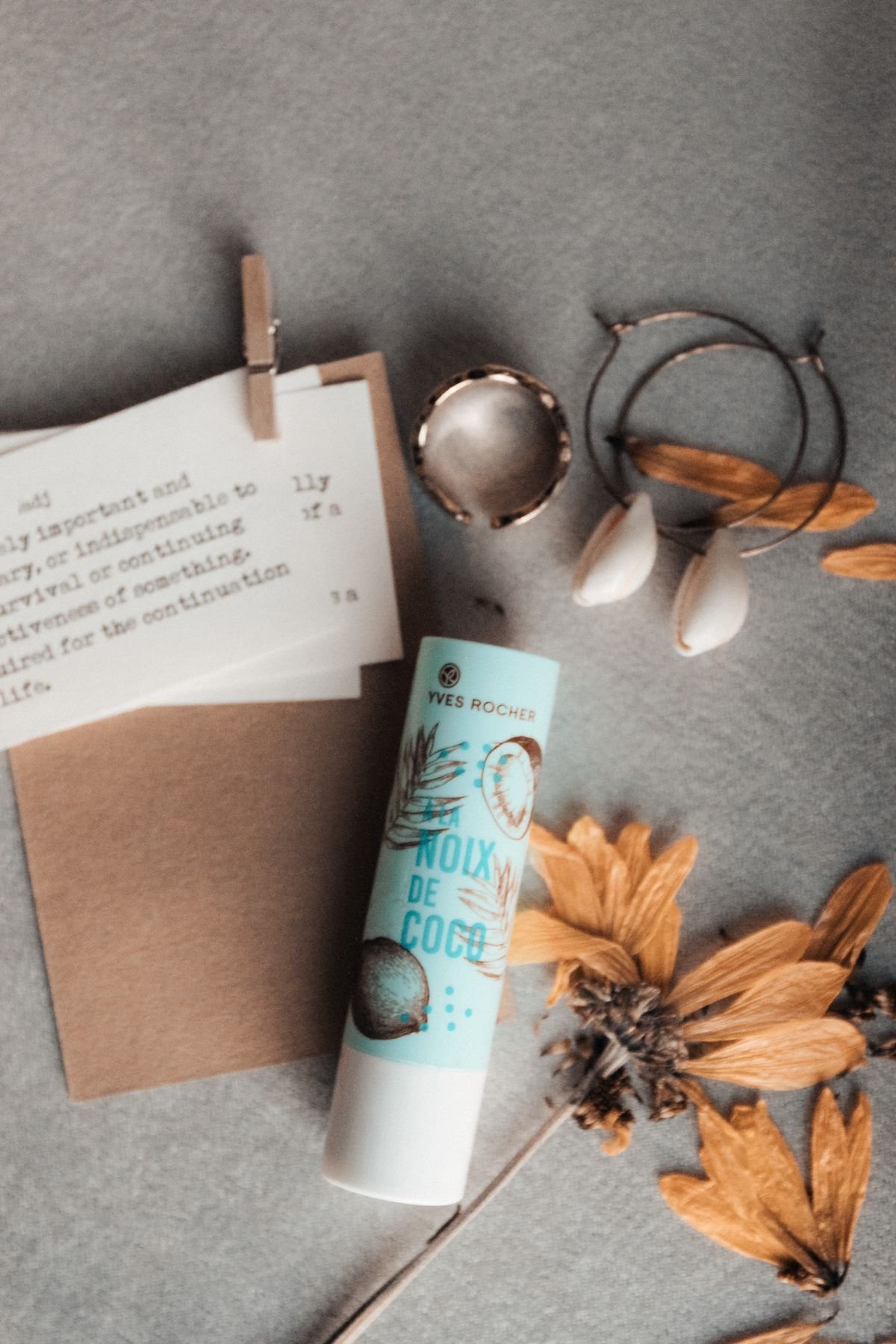
Keep your lips moisturised with a plain lip balm. Dry, cracked lips make a cold sore feel worse and can slow healing around the edges. Use a balm with sun protection factor 15 or above, since sun can trigger another outbreak. A cold sore often arrives after a rough night, and if your eyes look puffy in the morning too, here is how to reduce puffy eyes in the morning naturally.
Use a patch when you need cover
Hydrocolloid cold sore patches, sold under names like Compeed, stick over the sore and do two useful things. They protect it from knocks and from your own fingers, and they hide it under makeup if you need to go out. A patch can also reduce the chance of spreading the virus to someone else while it is on.
Patches do not kill the virus, so they will not make the sore heal dramatically faster on their own. Think of them as a shield rather than a cure. Use them on days when you need to look presentable or when you keep catching the sore on things. Change the patch as directed on the pack, and do not use cream and a patch at the same time unless the instructions say you can.
How to get rid of cold sores fast UK: what actually helps
With so many products and tips online, it helps to sort what is proven from what is merely popular. Here is an honest ranking.
Antiviral cream, started early
This is the best option for most people. It is cheap, available without a prescription, and it works when started at the tingle stage. Keep a tube at home if you get cold sores often, so you never lose the first hours to a trip to the shops.
Antiviral tablets for severe or frequent outbreaks
If your cold sores are very large, very painful, or keep coming back, ask your GP or pharmacist about antiviral tablets such as aciclovir. These are prescription only in the UK. They work from inside the body and can help more than cream for severe outbreaks. Some people who get cold sores 6 or more times a year take a daily low dose to prevent them. This is a decision for a doctor, not something to arrange yourself.
Cold sore patches
Patches protect and conceal. They are worth it for work, social events, and photos. They do not shorten healing much on their own, but they stop you making the sore worse, which in practice can save a day.
Pain relief and comfort
Paracetamol or ibuprofen can ease the soreness, especially in the first couple of days. A cool, damp cloth held gently against the sore for a few minutes can soothe the sting. Avoid very hot drinks and spicy food while the sore is raw, since they can irritate it.
What helps a little, but not much
Some people find that lysine supplements or a diet lower in arginine rich foods helps them get fewer outbreaks, but the evidence is weak and mixed. If you want to try a supplement, treat it as a long term experiment, not as a fast fix for the sore you have today.
What does not work
Cold sores attract folk remedies, and most of them waste your time or make things worse.
Toothpaste does not help a cold sore heal. It can dry the skin and irritate the blister, and there is no good evidence behind it. The same goes for nail varnish remover, alcohol, and other harsh liquids people suggest online. They damage the skin around the sore and can delay healing.
Essential oils, garlic, and ice applied directly to the sore are popular online, but none of them has reliable evidence for cold sores. Ice wrapped in a cloth can soothe pain for a few minutes, which is fine, but it will not kill the virus.
Do not cover a cold sore with lipstick or foundation in the early blister stage. Makeup can trap moisture and bacteria against broken skin. Wait until a scab has formed, use clean applicators, and throw away any lip products that touched the sore.
Finally, do not believe any product that promises to clear a cold sore in 24 hours. No treatment does that. The honest goal is a shorter, smaller, less painful outbreak, and that is worth aiming for.
Stop the spread while it heals
A cold sore is contagious from the first tingle until it has fully healed. The virus spreads through close contact, so a little care protects the people around you.
Avoid kissing and oral sex until the sore has completely healed. Do not share towels, lip balm, razors, or cutlery while you have an active sore. Wash your hands after touching the area, and try not to touch it at all.
The most important rule is about babies. Never kiss a baby while you have a cold sore, and do not let anyone with a cold sore kiss your baby. The virus can be serious for newborns, whose immune systems are still developing. The same caution applies to anyone with a weakened immune system, for example someone having cancer treatment.
At work or school, you do not need to stay home for a cold sore, but be careful with shared items and close contact, especially with young children. A patch helps here, since it covers the sore and reduces contact.
Rest, water and food: the quiet helpers
Your immune system does the real healing, and it works better when you look after it. A cold sore often appears when you are run down, so the days after it shows up are the worst time to push yourself hard.
Sleep is the biggest lever. Aim for a full night, and keep your bedtime steady for a few days. If broken sleep is part of the problem, our guide on how to sleep better without melatonin may help. Rest will not cure the sore, but tiredness is one of the most common triggers, and a rested body heals faster.
Drink plenty of water. Hydration keeps your lips and skin in better shape, and it is easy to forget to drink when your mouth is sore. Keep a glass of water nearby through the day and sip often. Eat normally, and favour soft, cool foods if the sore makes eating uncomfortable. There is no special cold sore diet, but a balanced diet with plenty of fruit and vegetables supports your immune system.
Cut back on alcohol for a few days. It disturbs sleep and can leave you dehydrated, which is the opposite of what your body needs while it heals.
Triggers: stop the next one before it starts
Once this outbreak has healed, it is worth thinking about what set it off, because the same trigger will probably do it again. The most common triggers in the UK are sunlight, stress, tiredness, and illness.
Sun
Sunlight on the lips is a well known trigger, including winter sun and sunbeds. Use a lip balm with sun protection factor 15 or above every day, not just on holiday, and reapply it when you are outdoors for a long time. Avoid sunbeds entirely if you get cold sores, since they are a strong trigger.
Stress
Stress is the trigger people underestimate most. A difficult week at work, an exam, or a family row can be enough to wake the virus up. Stress shows up in the body in small ways. If your eyelid keeps twitching too, read our guide on how to stop eye twitching fast. You cannot remove all stress from your life, but you can lower it with regular walks, steady sleep, and time away from screens in the evening.

Tiredness and illness
Skipped sleep and a cold or flu often come just before a cold sore. When you feel run down, give your body an easier week. Go to bed earlier, eat properly, and skip the late nights. It will not guarantee you stay clear, but it lowers the odds.
Keep a small note of when your cold sores appear and what was happening at the time. After two or three outbreaks, a pattern usually shows up, and that pattern is your best prevention tool.
When to see a pharmacist or GP
Most cold sores heal at home without medical help. But some situations need a professional.
See a pharmacist first if you are unsure which cream to buy, if the sore is very painful, or if you have never had a cold sore before and want to confirm what it is. Pharmacists in the UK can advise on treatment and tell you when a GP visit is needed, and the advice is free.
See your GP if the sore has not started to heal within 10 days, if it is very large or very painful, if it keeps coming back often, or if it spreads to your eyes. A cold sore near the eye needs urgent attention, since the virus can affect your vision. Seek help quickly if you notice eye pain, redness, or any change in your sight.
Also see your GP if you have a weakened immune system, for example because of cancer treatment or an organ transplant, and you develop a cold sore. The same applies if a newborn baby has been in close contact with someone who has a cold sore.
Your cold sore checklist
If you remember nothing else from this guide, remember this short plan.
- Act at the first tingle. Buy antiviral cream and start it the same day.
- Apply the cream 5 times a day for 4 to 5 days, and do not stop early.
- Keep the sore clean, keep your hands off it, and do not pick the scab.
- Use a patch when you need to cover it for work or social events.
- Use lip balm with sun protection factor 15 or above.
- Do not kiss anyone, share towels, or kiss a baby until it has fully healed.
- Rest, drink water, and keep your sleep steady while it heals.
- See a pharmacist or GP if it has not started to heal in 10 days, or if it is near your eye.
Conclusion
Learning how to get rid of cold sores fast uk is really about learning to act early. The virus gives you a warning in the form of a tingle, and that warning is your best chance. Start antiviral cream at the first sign, protect the sore, and look after your sleep and stress levels while it heals. You will not make it vanish overnight, and anyone who promises that is selling you something, but you can make it smaller, shorter, and far less painful.
Keep a tube of antiviral cream in your bathroom cabinet so the next tingle never catches you unprepared. Note your triggers, protect your lips from the sun, and give your body the rest it needs. Most cold sores heal in 7 to 10 days, and with the right plan yours can be at the shorter end of that range.
Frequently Asked Questions
How do you get rid of a cold sore fast?
Start antiviral cream such as aciclovir at the first tingle, apply it 5 times a day for 4 to 5 days, and protect the sore with a patch when you go out. No treatment removes a cold sore overnight, but early treatment can shorten the outbreak by around a day.
Can you get rid of a cold sore in 24 hours?
No. A cold sore takes 7 to 10 days to heal, even with treatment. Products that promise a 24 hour cure are not backed by evidence. The realistic goal is a shorter and milder outbreak.
How long do cold sores last?
Most cold sores heal within 7 to 10 days. The tingle stage lasts a day or so, blisters form over the next couple of days, then a scab forms and the skin heals underneath. See a GP if yours has not started to heal within 10 days.
Are cold sores contagious?
Yes. A cold sore is contagious from the first tingle until it has fully healed. Avoid kissing, oral sex, and sharing towels or lip balm during that time. Never kiss a baby while you have a cold sore.
What is the best treatment for a cold sore in the UK?
Antiviral cream with aciclovir or penciclovir, started at the first tingle, is the best first step and is available from any pharmacy without a prescription. For severe or frequent outbreaks, a GP can prescribe antiviral tablets. Patches help to protect and hide the sore while it heals.
