

If you have thick hair, you already know it is a mixed blessing. Your strands look full and healthy, hold curls beautifully, and rarely look flat. But you also know the other side of the story: the hours spent detangling, the frizz that shows up the moment humidity rises, and the sheer weight of hair that never seems to dry.
The good news is that thick hair does not have to be a daily struggle. With the right routine, the right products, and a bit of knowledge about how your hair actually works, you can turn that thickness into your biggest asset instead of your biggest headache.
This guide covers everything you need to know about thick hair, from understanding what makes your strands different to building a care routine that actually works, choosing flattering haircuts, and avoiding the mistakes that make thick hair harder to manage than it needs to be.
What Does Thick Hair Actually Mean
When people talk about thick hair, they usually mean one of two things: the width of each individual strand, or how much hair is packed onto the scalp overall. Technically speaking, hair thickness refers to strand diameter, which is largely determined by genetics.
Thick strands contain more keratin, the structural protein that gives hair its strength. That extra protein is why thick hair tends to feel coarse or stiff between your fingers and why it resists damage better than fine hair.
Ethnicity, hormones, and age all play a role in strand thickness too. Some people are simply born with wider hair shafts, while others develop coarser texture after puberty or during pregnancy.
Thick Hair vs Dense Hair: Why the Difference Matters
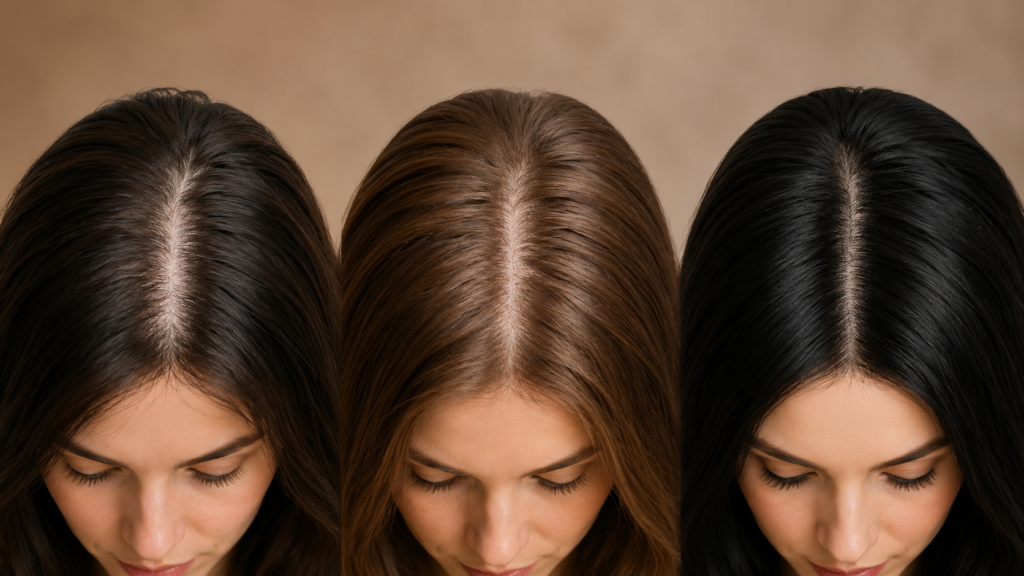
This is where a lot of confusion happens, and it is worth clearing up early. Thickness and density are not the same thing, even though people use the words interchangeably.
Thickness describes the width of a single strand. Density describes how many strands are growing per square inch of scalp. You can have thick strands that are not particularly dense, and you can have fine strands packed so closely together that your hair looks thick overall.
Understanding which one applies to you changes how you should approach your routine:
- If your hair is thick but not dense, focus on moisture and frizz control since individual strands are wide and prone to dryness.
- If your hair is dense but the strands themselves are fine, focus on lightweight volumizing products that will not weigh down your natural body.
- If you have both thick and dense hair, expect longer drying times and prioritize products that offer real hold and moisture without heaviness.
Knowing your exact hair profile helps you shop smarter and stop wasting money on products that were never designed for your texture.
How to Tell If You Have Thick Hair
You do not need a lab test to figure this out. A few simple checks at home will tell you almost everything you need to know.
Start by pulling a single strand of hair and comparing it to a piece of sewing thread. If the strand feels roughly the same width as the thread or wider, you have thick hair. If it feels noticeably thinner, your hair is fine.
Other signs that point to thick hair include:
- Your ponytail feels heavy and takes effort to secure.
- Hair clips and elastics slide out or snap easily.
- Your hair takes a long time to air dry, often over an hour.
- Stylists need to section your hair into several parts during a cut or color service.
- You can clearly see and feel individual strands when you hold them up to the light.
If most of these sound familiar, you are working with thick hair, and the rest of this guide is built specifically for you.
Common Challenges People With Thick Hair Face
Every hair type comes with its own set of frustrations, and thick hair is no exception. Recognizing these challenges is the first step toward solving them.
Frizz and Flyaways
Thick strands often have a rougher outer cuticle layer, which makes them more prone to frizz, especially in humid weather. Natural scalp oils also struggle to travel down the entire length of a thick strand, leaving the ends dry and more likely to frizz.
Long Drying Times
More hair mass simply means more water to evaporate. If you have thick hair, you have probably spent entire mornings waiting for it to dry, only to still feel damp roots an hour later.
Difficulty Detangling
Thick hair, particularly when it is curly or wavy, tangles easily. Brushing it when it is dry can cause breakage, and even brushing it wet requires patience and the right tools.
Heaviness and Bulk
Without the right cut, thick hair can feel like it is weighing you down, both physically and visually. This is one of the most common complaints among people with naturally full hair.
Building a Daily Care Routine for Thick Hair
A solid routine makes the biggest difference in how manageable your thick hair feels day to day. Here is a realistic, sustainable approach that works for most textures.
Wash Less Often Than You Think You Should
Because natural oils have a hard time reaching the ends of thick strands, washing every single day often does more harm than good. It strips away the oils your hair actually needs and leaves it drier and frizzier.
Most people with thick hair do well washing two to three times a week. On off days, a light dry shampoo at the roots keeps things fresh without overdoing it.
Prioritize Moisture at Every Step
Thick hair is thirstier than other hair types. Incorporate a hydrating shampoo and conditioner, and add a deep conditioning mask into your routine once a week. This single habit can noticeably reduce split ends and improve overall texture within a few months.
Handle Wet Hair With Care
Hair is at its weakest when wet, and thick hair is especially vulnerable to breakage during this stage. Skip the rough towel rubbing and instead squeeze out excess water with a microfiber towel or an old cotton shirt.
Detangle gently with a wide tooth comb, starting at the ends and working upward. Applying a leave in conditioner or detangling spray beforehand makes this step much easier.
Let Your Hair Partially Air Dry
Full blow drying puts unnecessary stress on thick strands and takes forever. Let your hair air dry until it reaches about 70 to 80 percent dryness, then finish with a blow dryer on a low or medium heat setting. This shortens your styling time and reduces heat exposure at the same time.
Get Regular Trims
Even if you are trying to grow your hair out, regular trims every six to eight weeks prevent split ends from traveling up the hair shaft. Healthy ends make thick hair look shinier and far less prone to frizz.
The Best Products for Thick Hair
Choosing the right products can transform your entire routine. The key is looking for formulas that hydrate without adding unnecessary weight.
- Lightweight hydrating shampoo and conditioner: Look for sulfate free formulas that cleanse gently while locking in moisture.
- Leave in conditioner: Essential for detangling and adding an extra layer of protection before styling.
- Hair oil: A few drops of argan, jojoba, or coconut oil on damp or dry ends helps control frizz and adds shine without greasiness.
- Weekly hair mask: A deep conditioning treatment restores moisture that daily products alone cannot provide.
- Heat protectant: Non negotiable if you use any hot tools, since thick hair is often styled at higher heat settings for longer periods.
- Anti frizz serum: A small amount smoothed over the cuticle after styling keeps flyaways under control throughout the day.
Avoid heavy butters, waxes, and thick creams unless your hair is also extremely dry or coarse, since these can weigh thick hair down and make it look greasy rather than voluminous.
Best Haircuts and Styles for Thick Hair
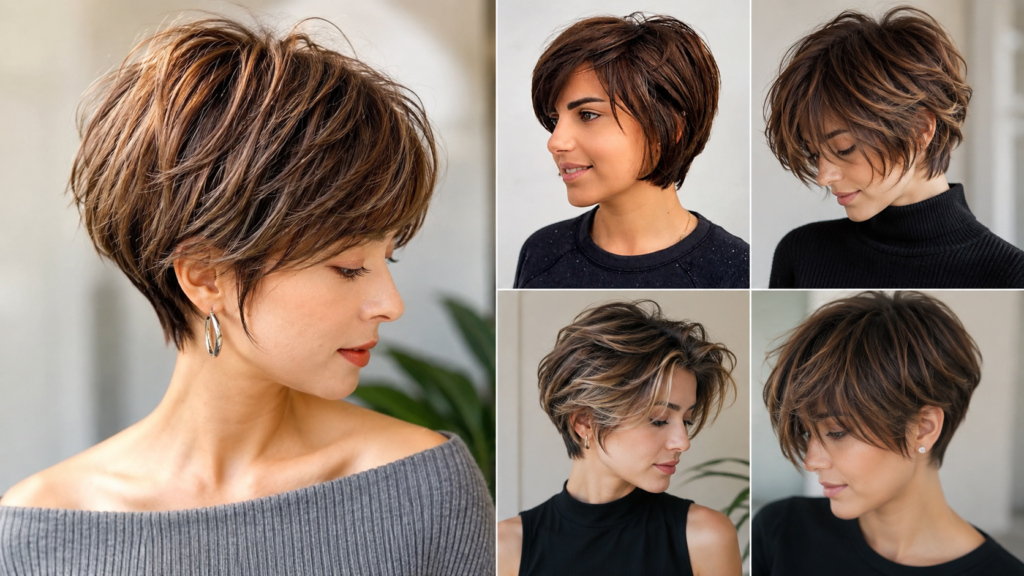
The right haircut does more for managing thick hair than almost any product on the market. A skilled stylist can remove bulk and add movement without sacrificing your natural fullness.
Long Layers
Layering is the single most recommended cut for thick hair, and for good reason. It distributes weight evenly throughout the hair, reduces bulk, and adds natural movement without requiring you to cut off length.
Textured Bob or Lob
A longer bob, often called a lob, works beautifully on thick hair. The shorter length naturally reduces overall weight, while soft layers throughout prevent it from looking like a solid triangle shape.
Shag Cut
The shag has made a strong comeback, and thick hair is the perfect canvas for it. Choppy layers remove bulk while giving hair a relaxed, textured finish that requires minimal styling effort.
Pixie Cut
For those ready for a dramatic change, a pixie cut can look stunning on thick hair. The shorter length keeps things manageable, though it does require more frequent trims to maintain shape.
Face Framing Layers
If you want to keep your length, ask your stylist for soft layers around your face. This removes weight near your features and adds a flattering frame without a full haircut.
Styling Tips That Actually Work
Beyond the cut itself, a few styling habits can make a real difference in how your thick hair looks and behaves.
Change your part occasionally. Wearing the same part every day trains your hair to fall a certain way and can make roots look flatter over time.
Use a wide tooth comb on wet hair instead of a brush. Brushes tend to pull and stretch wet strands, which increases breakage in thick, dense hair.
Consider thinning shears if your hair is extremely heavy. A professional stylist can remove internal bulk using thinning shears without changing your overall length or shape, though this should always be done by someone experienced since overdoing it can leave hair looking uneven.
Braid your hair loosely before bed to control frizz overnight. A loose braid keeps strands from tangling while you sleep and can give you soft waves the next morning without any heat.
Mistakes to Avoid With Thick Hair
Even with good intentions, it is easy to fall into habits that work against you. Watch out for these common missteps.
Skipping layers entirely. A blunt, one length cut on thick hair often looks heavy and triangular rather than sleek. Some layering, even subtle, almost always improves shape.
Overusing heavy styling products. Thick hair does not need extra volume most of the time. Loading it up with mousse, gel, or heavy creams often backfires and leaves hair looking weighed down and greasy.
Wearing tight hairstyles too often. Constant tight ponytails, buns, or braids put repeated stress on the same strands, which can lead to breakage and even hair loss along the hairline over time.
Over thinning your hair. While thinning shears can help, going too far removes too much internal support, leaving hair frizzy, uneven, or oddly textured.
Ignoring your scalp. Focusing only on the strands and neglecting scalp health leads to buildup, which can weigh hair down and contribute to dullness. A clean, balanced scalp supports healthier growth overall.
Can You Make Your Hair Thicker
This question comes up constantly, and the honest answer is nuanced. Strand thickness itself is largely determined by genetics, so you cannot fundamentally change the diameter of hair that has already grown from the follicle.
That said, you absolutely can support healthier, fuller looking hair through consistent care. A few evidence supported approaches include:
- Scalp massage. Some research suggests that regular scalp massage may stimulate blood flow to hair follicles, which can support hair growth over time.
- A nutrient rich diet. Deficiencies in iron, protein, zinc, and biotin have all been linked to weaker, thinner looking hair. Eating a balanced diet supports the healthiest possible growth from each follicle.
- Gentle hair care. Reducing breakage through gentle handling means you retain more of the hair you already have, which naturally makes your overall volume appear fuller.
- Volumizing products. While these will not change strand width, they can lift hair at the root and create the appearance of thicker, fuller hair.
If you notice sudden or significant thinning, it is worth speaking with a dermatologist, since underlying issues like hormonal changes, stress, or nutritional deficiencies can all affect hair growth and are often treatable.
Conclusion
Thick hair comes with real challenges, from frizz and long drying times to the sheer effort of detangling, but it also comes with real advantages that many people spend money trying to fake. With a routine built around hydration, gentle handling, and the right haircut for your texture, thick hair becomes far easier to manage and far more enjoyable to wear.
The key takeaways are simple. Wash less often, moisturize consistently, choose lightweight products over heavy ones, and invest in a haircut that removes bulk without sacrificing your natural fullness. Small, consistent habits make a bigger difference than any single miracle product ever will.
Your thick hair is not something to fight against. With the right approach, it becomes one of your most versatile and enviable features.
Frequently Asked Questions
How often should I wash thick hair?
Most people with thick hair do best washing two to three times a week. Washing too frequently strips natural oils that thick strands already struggle to distribute, leading to dryness and frizz.
Is thick hair the same as curly hair?
No. Thickness refers to strand width and can occur in straight, wavy, curly, or coily hair. Curl pattern and thickness are two separate characteristics that can combine in any way.
Why does my thick hair take so long to dry?
More hair mass simply holds more water. Letting your hair air dry to about 70 to 80 percent before using a blow dryer helps speed up the process while reducing heat damage.
What is the best haircut for very thick hair?
Long layers are generally the most versatile option, since they remove bulk and add movement while allowing you to keep your length. Textured bobs and shags are also excellent choices.
Can diet really affect hair thickness?
Diet cannot change the genetic width of your strands, but deficiencies in protein, iron, zinc, and biotin can weaken hair and slow growth. A balanced diet supports the healthiest possible hair from each follicle.
