

If you have spent any time scrolling through skincare TikTok or browsing the eye care aisle at Sephora, you have probably come across topicals eye patches. They promise brighter, less tired looking eyes in as little as fifteen minutes, and the packaging alone is enough to make you want to add them to your cart. But do they actually work, or is this another case of clever marketing outpacing real results?
This review breaks down what topicals eye patches actually do, what is inside them, how to use them properly, and where they fall short. If you are trying to decide whether these patches deserve a spot in your routine, you are in the right place.
What Are Topicals Eye Patches
Topicals is a skincare brand built around the idea of treating skin concerns like hyperpigmentation, eczema, and dark spots with formulas that work across all skin tones. Their under eye patches, sold under the Faded line, are hydrogel masks designed to sit beneath the eyes and deliver a concentrated dose of brightening and depuffing ingredients directly to the skin.
Unlike a cream you rub in and hope stays put, a patch creates a physical seal over the treatment area. That seal locks in moisture and slightly raises skin temperature, which can help active ingredients absorb more effectively than they would in an open air application.
The pitch is simple. Wear the patches for about fifteen minutes, and you should notice your under eye area looks brighter, feels more hydrated, and appears less puffy. The brand backs this up with a small clinical and consumer perception study, which is worth understanding before you decide whether the claims hold water.
What Causes Dark Circles in the First Place
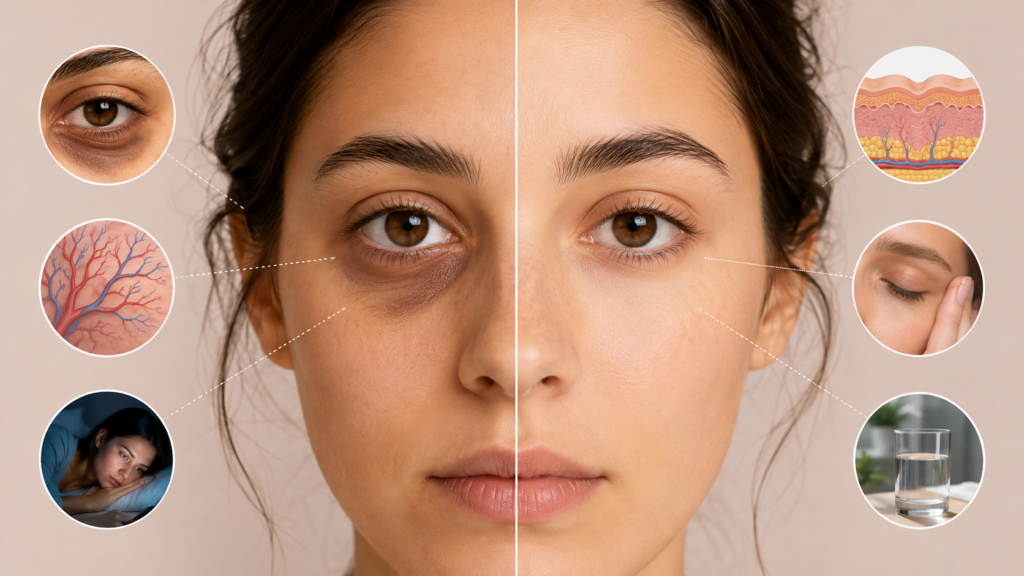
Before judging whether any eye patch works, it helps to understand what you are actually treating. Dark circles are not one single condition. They come from a mix of causes, and not all of them respond to topical treatment the same way.
- Genetics. Some people are simply born with thinner under eye skin or more visible blood vessels, making shadows more noticeable from a young age.
- Pigmentation. Melanin can build up under the eyes due to sun exposure, rubbing, or natural skin tone variation, especially in deeper skin tones.
- Aging. As skin loses collagen and fat pads shift, the under eye area can hollow out, creating shadows that look like dark circles even without pigmentation changes.
- Fatigue and lifestyle. Poor sleep, dehydration, alcohol, and stress can cause blood vessels to dilate and fluid to pool, leading to temporary puffiness and discoloration.
- Allergies. Rubbing itchy eyes or experiencing allergic shiners can worsen the appearance of dark circles significantly.
This distinction matters because a hydrogel patch loaded with brightening ingredients can meaningfully help with pigmentation and puffiness, but it cannot rebuild lost volume or change your bone structure. Knowing which category your dark circles fall into will shape how much benefit you can realistically expect.
Key Ingredients and What They Actually Do
The effectiveness of any eye patch comes down to what is actually inside it. Topicals eye patches rely on a handful of well studied ingredients rather than trendy additions with little research behind them.
Caffeine
Caffeine constricts blood vessels, which can temporarily reduce the appearance of puffiness and shadowing. This is why so many eye products, patches included, lean on it as a quick fix ingredient. The effect is real but short lived, generally lasting a few hours rather than days.
Niacinamide
Niacinamide is one of the more versatile ingredients in skincare. It has been shown in clinical research to improve the appearance of hyperpigmentation, redness, fine lines, and overall skin tone. It is also gentle enough for regular use around the delicate eye area.
Kojic Acid
As a tyrosinase inhibitor, kojic acid works by slowing down the enzyme responsible for melanin production. Over consistent use, this can help fade the look of dark spots and uneven pigmentation, though results build gradually rather than overnight.
Tranexamic Acid
Originally used in medical settings to control bleeding, tranexamic acid has gained popularity in skincare for its ability to reduce the appearance of stubborn discoloration, including melasma and sun damage. It pairs well with kojic acid for a layered brightening approach.
Arbutin
Derived from plants like bearberry, arbutin is another tyrosinase inhibitor that helps fade excess pigmentation over time. It is generally considered gentler than some other brightening actives, making it suitable for sensitive under eye skin.
Together, these ingredients target both the temporary puffiness side of dark circles and the longer term pigmentation side, which is part of why the formula has built a loyal following.
How to Use Eye Patches for the Best Results
Getting the most out of any under eye patch comes down to technique and consistency, not just the product itself.
- Start with clean, dry skin. Any leftover moisturizer, oil, or makeup residue can create a barrier that prevents the patch from adhering properly and absorbing.
- Chill the patches first. Storing them in the refrigerator boosts the cooling and depuffing effect, which is especially helpful first thing in the morning.
- Apply from the inner corner outward. Smooth the patch gently to avoid trapping air bubbles, which can cause uneven contact with the skin.
- Leave them on for the recommended time. Fifteen minutes is typically enough. Leaving patches on longer does not necessarily improve results and can sometimes lead to irritation as the gel dries out.
- Pat in the leftover serum. Instead of rinsing it away, gently tap any remaining product into the skin to maximize absorption.
- Use two to three times per week. Overusing patches will not speed up results and may irritate sensitive under eye skin over time.
Following this routine consistently, rather than sporadically, is where most of the visible improvement comes from.
Do Topicals Eye Patches Really Work
This is the question everyone actually wants answered. Based on the ingredient profile and available data, the honest answer is yes, but with realistic boundaries.
For puffiness and a tired looking appearance, the combination of a cooling hydrogel and caffeine delivers a noticeable, immediate improvement. This is the kind of result you will see within minutes, which explains why so many reviewers describe an instant refreshed look.
For pigmentation related dark circles, ingredients like kojic acid, tranexamic acid, and arbutin can genuinely fade discoloration over weeks of consistent use. This is not an overnight transformation, but it is backed by how these ingredients function in the skin.
Where the patches fall short is with structural dark circles caused by volume loss or deep set eyes. No topical product, patch or otherwise, can fill in hollows or change bone structure. If your dark circles are mostly shadow from structural changes rather than pigment, a patch will help the skin look healthier but will not erase the underlying cause.
Who Should and Should Not Use Them
Topicals eye patches are formulated to be gentle and are marketed as suitable for all skin tones, including those prone to hyperpigmentation. That said, a few groups should approach with a bit more caution.
- People with known sensitivities to niacinamide or acid based brighteners should patch test on the inner arm before applying near the eyes.
- Anyone with active eye infections, styes, or broken skin around the eye area should skip patches until the skin has healed.
- Pregnant or breastfeeding individuals should check ingredient lists with a doctor, since some brightening actives are generally considered fine but every formula and personal health situation is different.
- Those expecting dramatic, permanent results from structural dark circles should adjust expectations or explore in office treatments alongside topical care.
For most healthy adults dealing with mild to moderate dark circles or puffiness, these patches are a low risk addition to a routine.
How They Compare to Other Eye Treatments
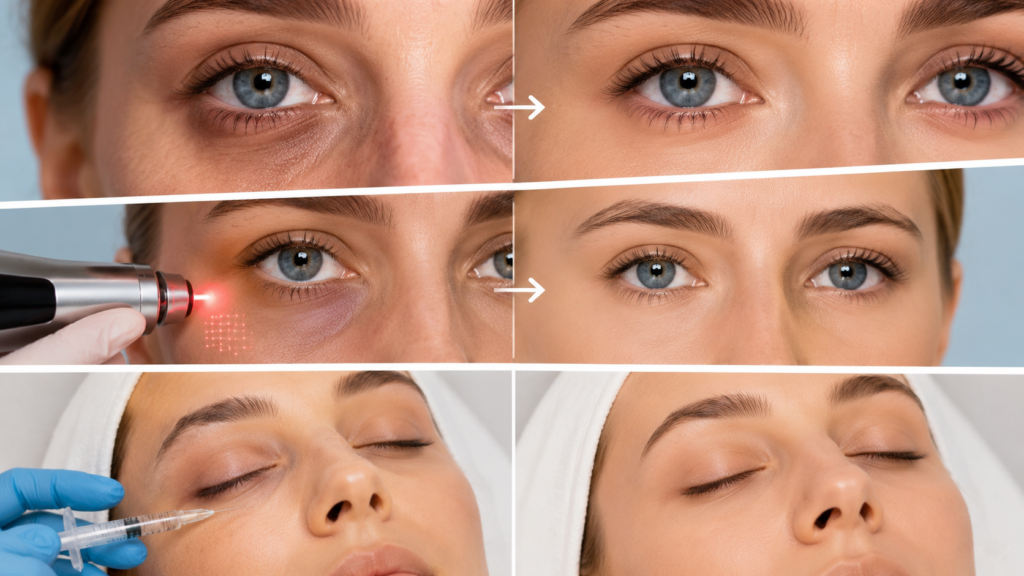
Understanding where eye patches fit compared to other options helps set realistic expectations.
Eye creams offer similar active ingredients but without the occlusive seal a patch provides. Creams are better for daily long term maintenance, while patches deliver a more concentrated, occasional boost.
Concealer is purely cosmetic and offers instant coverage with zero skin benefit. It is the fastest fix but does nothing to address the underlying cause.
In office treatments, such as fillers or laser therapy, target structural volume loss and deeper pigmentation more aggressively than any topical product can. These come with higher cost and more downtime but are the appropriate next step for people who have plateaued with at home care.
Eye patches sit in a useful middle ground. They are more targeted and intensive than a daily cream, but far less invasive and less expensive than professional procedures.
Common Mistakes That Waste Your Money
Even a well formulated product will underperform if used incorrectly. Watch out for these frequent missteps.
- Applying patches to dirty or oily skin, which blocks absorption.
- Reusing single use patches to save money, which reduces effectiveness and raises hygiene concerns.
- Expecting permanent results from a temporary treatment.
- Skipping consistency and only using patches occasionally before a big event.
- Ignoring sun protection, which can undo brightening progress by triggering new pigmentation.
Avoiding these habits will make a noticeable difference in how much value you get from the product.
Realistic Expectations and Timeline
Based on how these ingredients typically perform, here is a general timeline you can expect with consistent use.
- Immediately after use: Reduced puffiness and a cooler, more refreshed appearance thanks to the hydrogel and caffeine.
- One to two weeks: Subtle improvements in hydration and skin texture become more noticeable.
- Three to six weeks: Visible fading of surface level pigmentation and discoloration, assuming consistent two to three times weekly use.
- Beyond six weeks: Continued maintenance keeps results stable, though structural dark circles will remain largely unchanged.
Setting expectations around this timeline prevents disappointment and helps you judge whether the product is actually working for your specific concern.
Final Verdict
Topicals eye patches are a genuinely well formulated product backed by ingredients with real, published research behind them. They excel at reducing puffiness instantly and fading pigment related dark circles gradually with consistent use. They are not a miracle cure for genetic or structural dark circles, and no honest review should claim otherwise.
If your main concern is a tired, puffy appearance or surface level discoloration, these patches are worth trying, especially paired with good sleep, hydration, and daily sun protection. If your dark circles come primarily from volume loss or deep set eyes, manage your expectations and consider this a supportive step rather than a complete solution.
Frequently Asked Questions
How often should I use topicals eye patches?
Two to three times per week is generally recommended. Daily use is not necessary and may increase the chance of irritation for sensitive skin.
Can topicals eye patches get rid of dark circles permanently?
No topical patch can permanently eliminate dark circles caused by genetics or structural volume loss. They can meaningfully improve pigmentation and puffiness with consistent use, but results are maintained rather than permanent.
Are topicals eye patches safe for sensitive skin?
Yes, the formula is designed to be gentle and suitable for sensitive skin, though a patch test on the inner arm is always a smart precaution before first use.
Should I store the eye patches in the fridge?
Refrigerating them before use enhances the cooling and depuffing effect, which many users find especially helpful in the morning or after a poor night of sleep.
How long does it take to see results?
Puffiness reduction is often visible immediately after removing the patches. Fading of pigmentation and discoloration typically takes three to six weeks of consistent use to become noticeable.
