
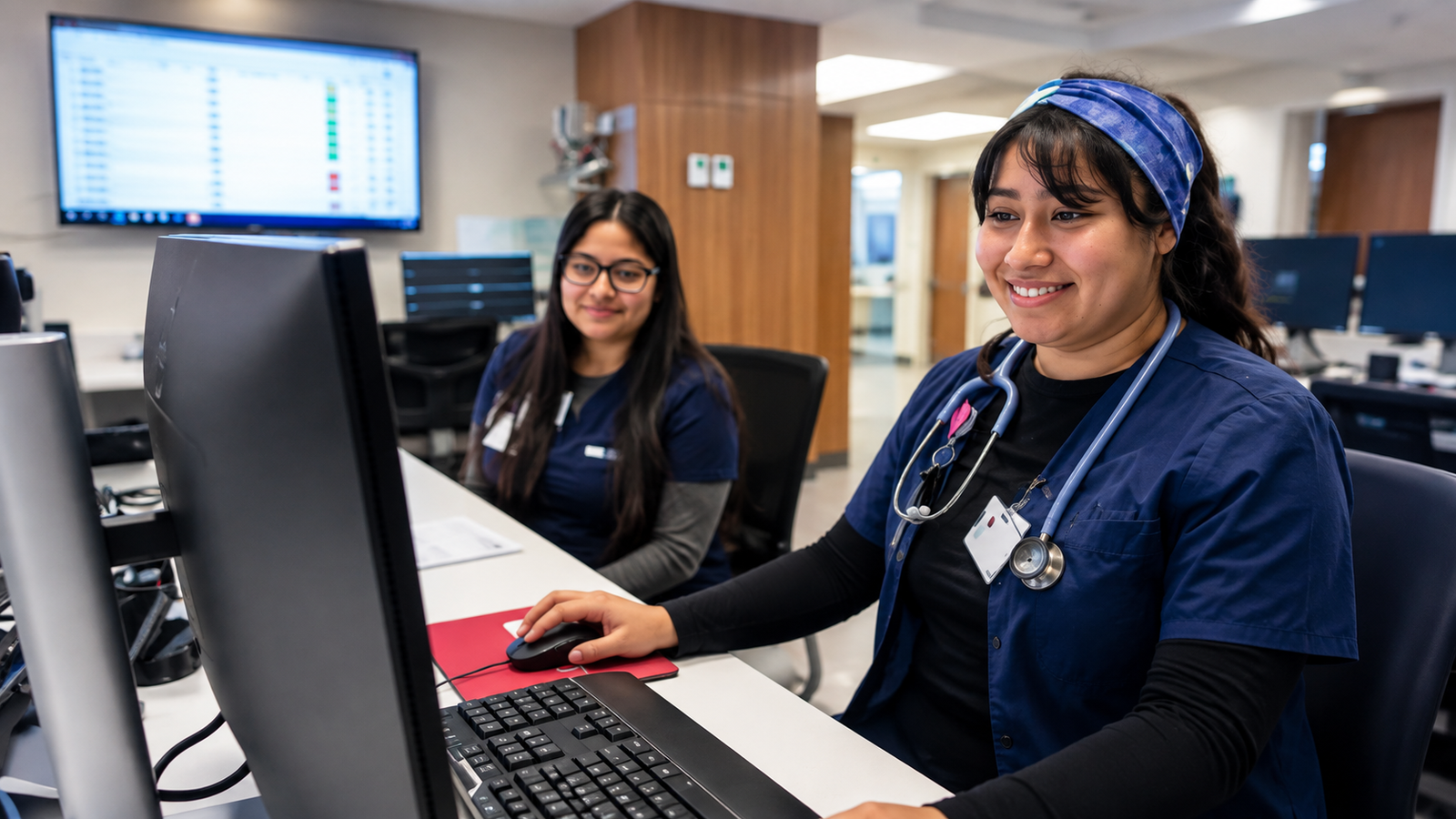
If you searched for a UCHealth employee, chances are you fall into one of three groups. You might already work there and need a faster way to reach your login portal. You might be a new hire trying to make sense of your onboarding paperwork. Or you might be weighing a job offer and wondering what daily life actually looks like once the interview polish wears off.
This guide covers all three. We will walk through the employee portals, explain the benefits package in plain language, and share what current and former staff actually say about the culture, based on publicly available employee feedback. One important note before we dive in: there are two separate organizations that share a very similar name, and mixing them up is easy to do.
UCHealth Colorado vs UC Health Cincinnati: Clearing Up the Confusion
Before you go hunting for a login page or a benefits portal, it helps to know which system you are dealing with. Two separate, unaffiliated hospital networks use almost identical branding, and search results for a uchealth employee often blend the two together.
UCHealth (Colorado) is a large, academic affiliated health system based in the Rocky Mountain region. It operates hospitals and clinics across Northern Colorado, Metro Denver, and Southern Colorado, and it is connected to the University of Colorado School of Medicine. This is the system most people mean when they search broadly for UCHealth.
UC Health (Cincinnati, Ohio) is a different organization entirely, affiliated with the University of Cincinnati. It runs hospitals and outpatient clinics throughout the Greater Cincinnati area, including parts of Kentucky and Indiana.
Both systems use employee portals, both offer competitive benefits, and both show up when people search for employment information. If you are a current employee, the fastest way to confirm which system you belong to is to check your offer letter, your badge, or the domain of your work email. Getting this right saves you from wasting time on the wrong login page or benefits documentation.
For the rest of this guide, we will point out where the two systems diverge so you can find the right information no matter which UCHealth or UC Health employer you work for.
UCHealth Employee Login and Portal Access

Once you know which organization you belong to, logging into your daily work tools should be straightforward. Most employees interact with a handful of core systems every week.
Common Login Portals
For UCHealth Colorado employees, the main resources include:
- Email access through Outlook
- Citrix or MyApps for remote desktop access
- UKG Dimensions for scheduling and time tracking
- The Source, an internal SharePoint hub for policies and department news
- The oneSOURCE mobile app for staff, providers, and partners
For UC Health Cincinnati employees, the equivalent tools include:
- Outlook Web Access for email
- Centricity Time and Attendance for clocking hours and managing schedules
- ONE TOUCH, an Oracle Cloud platform that consolidates HR, finance, and supply chain functions
- The Link on SharePoint for internal communication and document sharing
- Password Self Service for resetting network credentials without contacting IT
Remote Access and Security Steps
If you work from home or split time between locations, you will likely need to set up DUO multifactor authentication before accessing systems like Citrix or the employee manager portal. This extra verification step protects sensitive patient and employee data, and it is a standard requirement across most healthcare employers, not just UCHealth.
New employees sometimes find the initial DUO setup slightly confusing, especially if they are used to simpler consumer apps. Budget an extra 15 to 20 minutes on your first login attempt, and keep your phone nearby since most verification methods rely on a mobile number or authenticator app.
Who to Contact When Something Breaks
Both systems maintain dedicated IT help desks, and response times are generally solid given the scale of these organizations. If you are locked out of your account, unable to access the scheduling app, or having trouble with the Citrix client, your IT service desk is the right first call rather than your direct manager, who typically cannot reset system level credentials.
New Hire Resources and Getting Started
Starting a new job in a large hospital system can feel overwhelming, and UCHealth seems to recognize that. Both organizations provide dedicated new hire resource pages that walk employees through their first days and weeks.
Typical onboarding steps include:
- Completing required compliance and safety training modules
- Setting up email, scheduling, and clinical documentation access
- Enrolling in benefits within the eligibility window
- Reviewing department specific policies through the internal intranet
- Meeting with a manager or mentor to align on early goals
New hires in clinical roles, such as nursing or allied health, often go through additional orientation focused on the electronic health record system, typically Epic, along with unit specific safety protocols. Administrative and support staff generally have a shorter, more streamlined onboarding path.
One detail that catches new employees off guard is prescription enrollment. If you take a maintenance medication, you may need to use the employer’s designated pharmacy program or mail order service rather than your previous pharmacy. It is worth handling this during your first week rather than waiting until you need a refill.
UCHealth Employee Benefits Explained
Compensation packages at large health systems tend to be layered, and UCHealth is no exception. Benefits generally fall into a few broad categories, and understanding the structure helps you get more value out of what is offered.
Health and Insurance Coverage
Both UCHealth Colorado and UC Health Cincinnati offer medical, dental, and vision plans that typically begin the first day of the month following your hire date. Full time and part time employees are usually eligible, though coverage levels and premium costs vary depending on the plan tier you select.
Additional health related benefits often include:
- Flexible spending accounts for healthcare and dependent care expenses
- Short term and long term disability coverage
- Life insurance, often employer paid with the option to purchase supplemental coverage
- Onsite or nearby employee health clinics for occupational screenings, immunizations, and minor treatment
Financial and Retirement Benefits
On the financial side, employees generally have access to a 401k retirement plan, sometimes paired with an employer match. UCHealth Colorado has also offered a multi year incentive bonus tied to tenure and organizational performance goals, along with shift differentials for employees working nights, weekends, or on call hours.
Paid time off accrual, PTO cash in options, and student loan support tools round out the financial benefits picture. If you are comparing offers, ask specifically how PTO accrues by tenure and role, since this can differ significantly between clinical and non clinical positions.
Work Life Balance and Wellness Support
Healthcare work is demanding, and UCHealth appears to invest meaningfully in wellness infrastructure. Employees typically have access to an employee assistance program, confidential mental health support lines staffed around the clock, and flexible scheduling options in many departments.
UCHealth Colorado, for example, offers a crisis support line specifically for staff and providers, separate from patient facing services. This kind of dedicated resource reflects a broader industry recognition that burnout and compassion fatigue are real risks in clinical environments.
Recognition and Career Development Perks
Beyond core benefits, both systems run structured recognition programs. Awards like DAISY for nursing excellence, along with internal recognition programs branded under names like PRIIDE or ROSE, are used to publicly acknowledge employees who go above expectations.
Tuition reimbursement, leadership development courses, and internal training academies also appear consistently across both systems, giving employees a real path to build skills without leaving the organization.
What It Is Really Like to Work at UCHealth
Official benefits pages tell you what is offered on paper. To understand day to day reality, it helps to look at aggregated feedback from people who have actually worked there.
Publicly available employee reviews for UCHealth Colorado show an overall rating in the high threes out of five, based on well over a thousand submitted reviews. Several consistent themes show up across that feedback.
What Employees Tend to Like
- Strong sense of purpose and meaningful patient impact
- Solid benefits, particularly around health coverage and PTO
- Genuine camaraderie among coworkers, especially within tight knit units
- Real opportunities for advancement, with some employees describing quick promotions for those who show initiative
What Employees Tend to Flag as Challenges
- Inconsistent management quality, varying widely by unit or department
- Chronic understaffing in certain roles, which increases workload and stress
- Occasional concerns about favoritism affecting scheduling or promotion decisions
- High stress environments, particularly in emergency, behavioral health, and sterile processing roles
None of this is unusual for a large hospital system. Healthcare staffing shortages have affected the entire industry, and management quality naturally varies across an organization with tens of thousands of employees spread across dozens of facilities. The takeaway is that your specific experience will likely depend heavily on your department, your direct supervisor, and your location, more than on the organization as a whole.
If you are evaluating an offer, it is reasonable to ask your future manager directly about staffing levels on your unit and how the team handles busy periods. Most managers will give you a straight answer, and their response tells you a lot.
Career Growth and Recognition Programs
One area where UCHealth seems to differentiate itself is internal career mobility. Employees who start in entry level roles, such as certified nursing assistant or patient access representative, often describe realistic paths toward more advanced clinical or administrative positions.
Structured programs that support this growth include:
- Career ladder frameworks for nursing and other clinical tracks
- Corporate university style training platforms for skill building
- Succession planning initiatives for leadership track employees
- Tuition assistance for employees pursuing further education while working
If long term career growth matters to you, ask during your interview process how the organization supports internal promotion, and request specific examples rather than general statements. Concrete answers, like average time to promotion or named internal training programs, tend to indicate a program that is actually used rather than one that exists only in a handbook.
Tips for Prospective UCHealth Employees

If you are still deciding whether to apply, a few practical steps can help you make a more informed decision.
First, confirm which UCHealth or UC Health entity you are applying to, since pay scales, benefits, and culture can differ meaningfully between the Colorado and Cincinnati systems even though they share a similar name.
Second, research the specific facility and department rather than relying only on system wide reviews. A role at a smaller regional hospital may feel very different from the same job title at a large academic medical center.
Third, come prepared with specific questions about staffing ratios, scheduling flexibility, and what a typical shift looks like. Hiring managers generally respect candidates who ask thoughtful, specific questions rather than generic ones.
Finally, if you already have an offer, take the time to read through the benefits summary carefully before your enrollment window closes. Health and retirement elections are often locked in for a full plan year, so a few extra minutes of review upfront can save you frustration later.
Conclusion
Being a uchealth employee, whether at UCHealth in Colorado or UC Health in Cincinnati, means navigating a mix of login portals, HR systems, and benefit programs that can feel like a lot to absorb at first. The core takeaway is straightforward. Know which organization you belong to, get comfortable with the core systems like email, scheduling, and the internal intranet early on, and take full advantage of the benefits and career development resources available to you.
Real employee experiences vary by department and manager, which is true at nearly every large healthcare employer. The strongest approach, whether you are settling into a new role or still deciding whether to apply, is to ask specific questions, verify details directly with HR, and use the resources outlined in this guide as your starting point rather than your only source of information.
Frequently Asked Questions
Is UCHealth in Colorado the same company as UC Health in Cincinnati?
No. They are two separate, unaffiliated health systems that happen to use very similar branding. Always confirm which one applies to you based on your offer letter or work email domain.
How do I reset my UCHealth employee password?
Both systems offer self service password reset tools. UC Health Cincinnati uses a Password Self Service portal, while UCHealth Colorado employees typically reset credentials through their IT help desk or an internal self service link provided during onboarding.
When do UCHealth employee benefits start?
Benefits generally begin the first day of the month following your hire date, though specific eligibility rules can vary by employment status and role, so it is worth confirming exact dates with HR.
Does UCHealth offer tuition reimbursement?
Yes. Both systems provide tuition assistance and structured training programs, along with additional support like nursing and respiratory therapy cohort programs designed to help employees advance their credentials while working.
What is the biggest challenge UCHealth employees report?
Understaffing and inconsistent management quality come up most often in employee feedback, though these issues tend to vary significantly by department and facility rather than reflecting the organization as a whole.
